Ecommerce Conversations
2 Bootstrapped D2C Brands, 1 CEO
Why It Matters
Understanding the trade‑offs between durable goods and consumables helps D2C founders design business models that generate sustainable revenue streams. The episode offers actionable insights on product experimentation, market validation, and subscription strategies—critical tools for entrepreneurs looking to scale without heavy capital outlays, especially in today’s competitive e‑commerce landscape.
Key Takeaways
- •Brio's durable trimmers hinder repeat purchases, limiting LTV
- •Oli's consumables enable higher lifetime value through repeat orders
- •Low‑cost product tests let failures avoid catastrophic financial loss
- •Customer feedback drove shift to fluoride‑free toothpaste, boosting sales
- •Subscription success hinges on product excellence, not churn tactics
Pulse Analysis
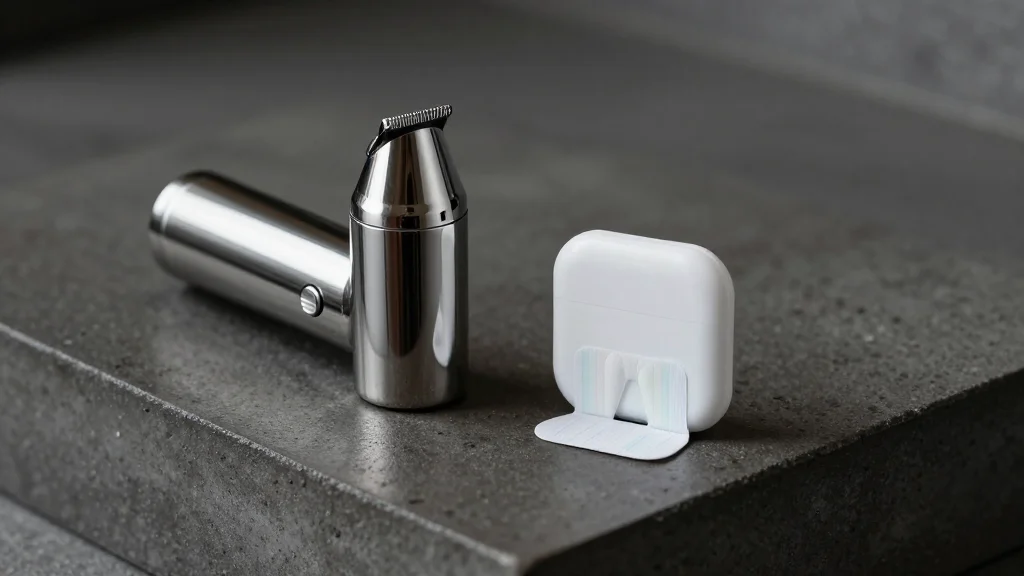
The conversation contrasts two bootstrapped D2C brands—Brio, a men’s grooming line built around long‑lasting trimmers, and Oli, an oral‑care portfolio of toothpaste, mouthwash and whitening strips. Brio’s durability creates a high upfront order value but makes repeat purchases difficult, capping customer lifetime value. Oli’s consumable products generate predictable repeat orders, simplifying the marketing funnel and allowing the founder to scale without massive ad spend. This split illustrates why product type—durable versus consumable—drives fundamentally different growth strategies for direct‑to‑consumer businesses.
The founder emphasizes low‑risk product experiments as a way to discover hidden winners. By launching small batches—sometimes just a thousand units—he can gauge market response without jeopardizing cash flow. Customer comments about fluoride‑free formulas prompted a rapid reformulation, turning a modest signal into a breakout product. This iterative loop of feedback, formulation tweaks, and quick relaunch demonstrates how D2C brands can turn what initially looks like a distraction into a core revenue driver, provided they stay agile and data‑focused.
When it comes to subscriptions, the discussion stresses that product excellence outweighs any churn‑reduction hack. A quarterly oral‑care box works because the items are used daily, creating a natural reorder rhythm. However, over‑bundling can extend purchase intervals too far, causing customers to revert to pharmacy buys. The founder also notes that scaling beyond the website may eventually require retail partnerships, as most toothpaste sales still happen in stores. Balancing D2C control with strategic shelf presence will be key for long‑term market capture.
Episode Description
For four years Eric Steckling has run two direct-to-consumer brands. Brio, the company he founded in 2014, sells beard trimmers and related goods. In 2022, he acquired Ollie, then a seller of teeth-whitening strips and now an expanded oral care provider.
Eric first appeared on the podcast in 2023. In this latest conversation, he addresses Brio's challenges of selling long-lasting goods, Ollie's opportunity with consumable items, and juggling the two.
For an edited and condensed transcript with embedded audio, see: https://www.practicalecommerce.com/2-bootstrapped-d2c-brands-1-ceo
For all condensed transcripts with audio, see: https://www.practicalecommerce.com/tag/podcasts
Practical Ecommerce helps online merchants improve with expert articles, podcasts, and webinars. Founded in 2005, we're an independent publisher, unaffiliated with any ecommerce platform or provider. https://www.practicalecommerce.com
Comments
Want to join the conversation?
Loading comments...