I Built A Micro-Version Of A $1B SaaS. Now I Make $50K/Month
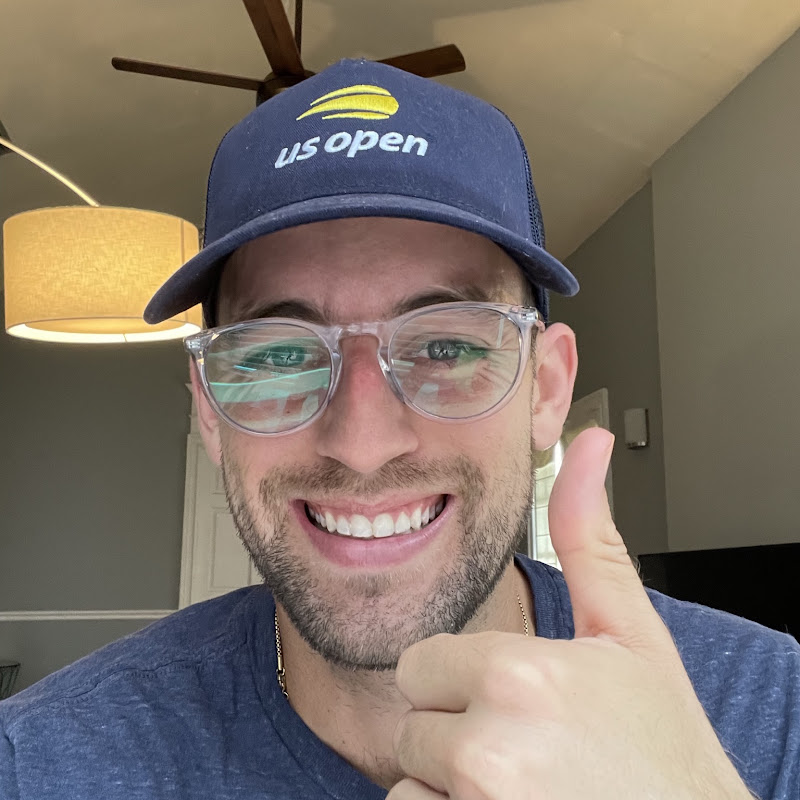
Why It Matters
Shipper shows that bootstrapped founders can capture meaningful market share in booming AI‑no‑code spaces by iterating on existing products and leveraging organic channels, offering a replicable blueprint for rapid, low‑cost SaaS growth.
Key Takeaways
- •Bootstrapped AI app builder hit $50K MRR without paid ads
- •Focused on one pain point: multi‑platform app generation
- •Differentiated by adding mobile, extensions, and bots to competitors
- •Built product fast, shipped early, iterated from user feedback
- •Used Product Hunt, Reddit, SEO, X to drive growth
Summary
David and his brother Daniel launched Shipper, an AI‑powered app‑builder that turns prompts into full‑stack applications—including websites, mobile apps, Chrome extensions, and bots. Starting with a single developer, they released a rough MVP, iterated quickly, and within six months achieved $25.6K monthly recurring revenue and $71K gross volume, serving roughly 690 paying users on a credit‑based pricing model.
The founders deliberately copied the successful formula of billion‑dollar no‑code platforms, but they narrowed the focus to a specific pain point: the inability of existing tools to create mobile and extension products. By monitoring competitor roadmaps, support tickets, and community feedback, they added these missing features, positioning Shipper as a more comprehensive, zero‑skill solution. Their growth engine relied entirely on organic channels—Product Hunt launches, Reddit threads, high‑intent SEO keywords, and strategic X (Twitter) posts—eschewing paid acquisition.
Key metrics underscore the strategy’s effectiveness: 90% of revenue comes from subscription credits, 10% from one‑off top‑ups, and a churn‑free user base with no free tier, allowing every dollar earned to be reinvested in product development. The tech stack blends low‑code services (Webflow, WordPress) with robust back‑end infrastructure (Railway, Neon, Entropic cloud models), illustrating how non‑technical founders can leverage existing tools to build sophisticated SaaS.
The story demonstrates that replicating proven ideas, then iterating on overlooked user needs, can generate substantial revenue without heavy marketing spend. For indie founders, the lesson is clear: identify a high‑growth market, pinpoint a narrow unmet need, launch fast, and let community‑driven growth do the heavy lifting.
Comments
Want to join the conversation?
Loading comments...