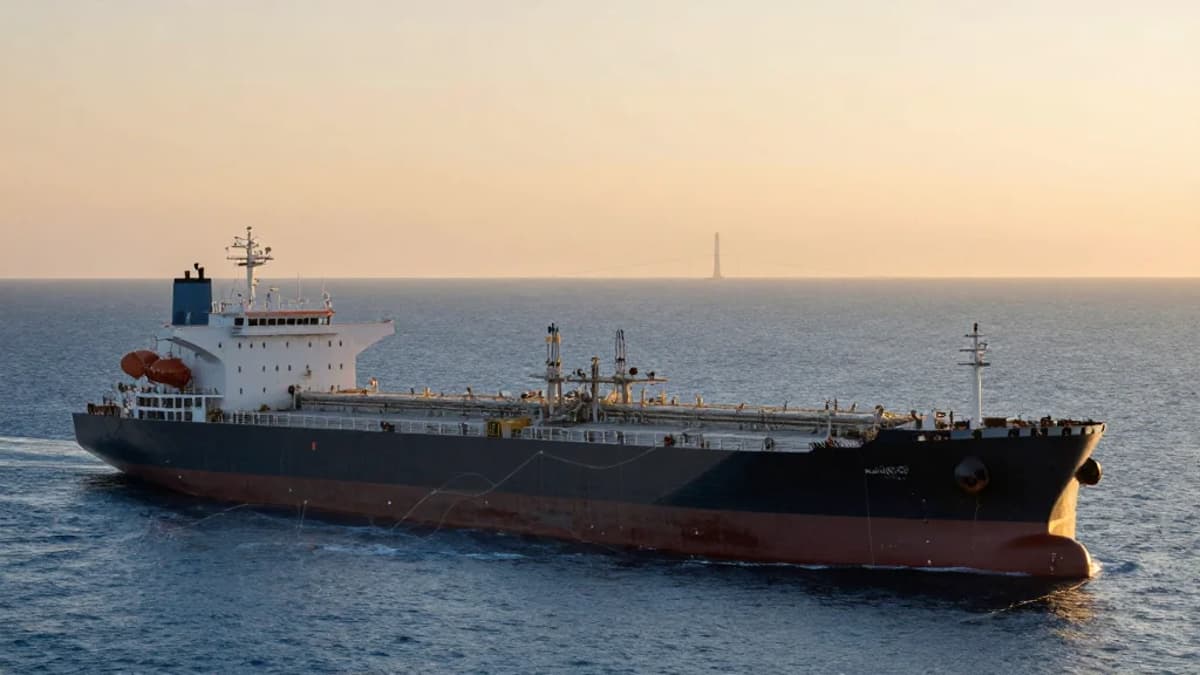
BWET: Has Already Tripled Investor Capital, But Is It Still Worth Investing In?
•March 9, 2026
0
Why It Matters
The recommendation signals a broader reassessment of commodity‑linked ETFs as geopolitical volatility normalizes, affecting investors seeking exposure to maritime oil transport.
Key Takeaways
- •BWET tripled capital amid 2026 oil freight surge
- •Performance tightly tied to Strait of Hormuz tensions
- •Analyst warns limited upside, recommends selling
- •Geopolitical risk outweighs hedge potential now
- •Watchlist status maintained for future market shifts
Pulse Analysis
The Breakwave Tanker Shipping ETF (NYSEARCA: BWET) has become a standout performer in the commodity‑focused ETF space, attracting a threefold increase in capital as oil freight rates surged in early 2026. This growth reflects heightened demand for tanker capacity when geopolitical flashpoints in the Middle East disrupted traditional supply routes. Investors were drawn to BWET’s unleveraged exposure to the global oil transportation market, which historically offers a low‑correlation buffer against equity volatility. Yet the rapid price appreciation also compressed valuation multiples, setting the stage for a critical reassessment.
Underlying BWET’s momentum is the volatile freight corridor through the Strait of Hormuz, a chokepoint that channels a significant share of the world’s crude shipments. Any escalation—or de‑escalation—of tensions between Iran and regional powers can swing spot tanker rates by double‑digit percentages within weeks. While such spikes can generate outsized returns, they also embed a binary risk profile that is difficult to hedge. Recent diplomatic overtures suggest a possible stabilization, which would likely dampen the freight premium that has fueled BWET’s rally.
From an investment standpoint, the ETF now faces a constrained upside as the market prices in the near‑term risk premium. Analysts recommend reducing exposure and treating BWET as a watchlist candidate rather than a core holding, especially for portfolios seeking steady income or diversified commodity exposure. Investors might consider alternative maritime funds with broader vessel mixes or those that incorporate forward freight agreements to mitigate sudden price shocks. Ultimately, the decision hinges on an appetite for geopolitical risk versus the desire for a more predictable, long‑term return stream.
BWET: Has Already Tripled Investor Capital, But Is It Still Worth Investing In?
0
Comments
Want to join the conversation?
Loading comments...