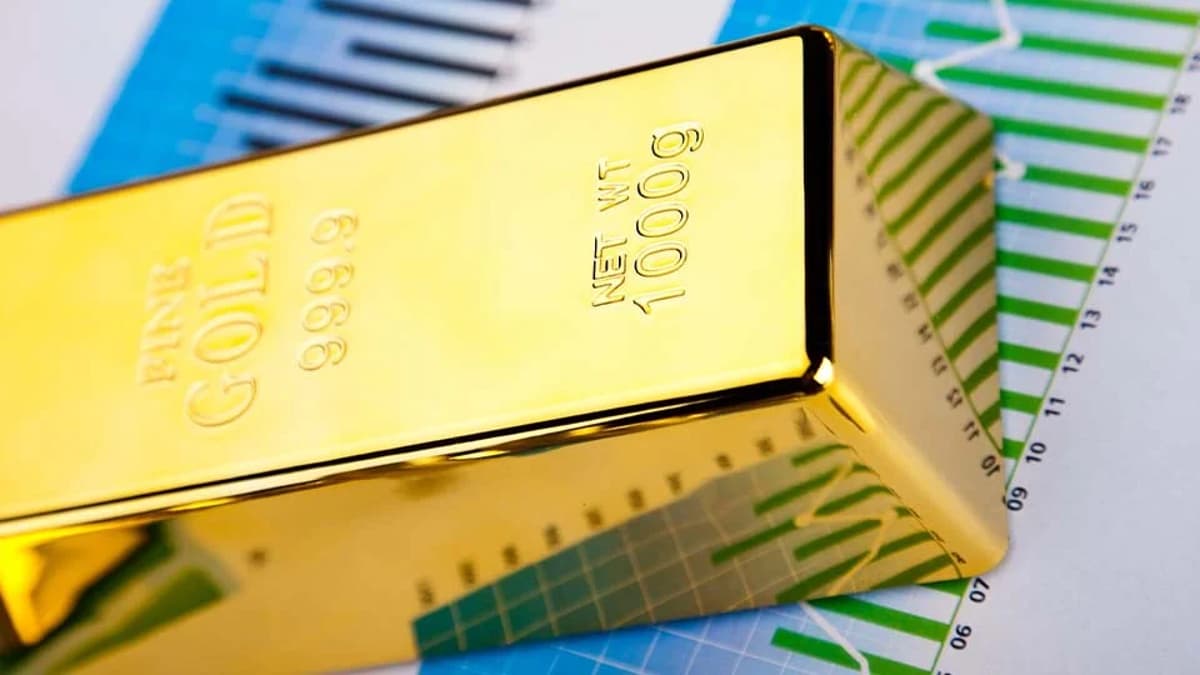
Gold Price & Investment Outlook: 2026 & Beyond>
•February 27, 2026
0
Why It Matters
Rising gold prices offer a powerful hedge against inflation and geopolitical uncertainty, reshaping portfolio risk‑return dynamics for institutional and retail investors alike.
Key Takeaways
- •Gold above $3,000 in 2025, targeting $4,000 soon
- •Central banks in China, India, Turkey driving demand
- •Inflation and geopolitical tensions boost safe‑haven appeal
- •VanEck forecasts gold could reach $5,000 by 2030
- •Gold outperformed S&P 500 over past three years
Pulse Analysis
Gold’s resurgence in 2024‑2025 reflects a broader shift toward tangible assets amid lingering inflation and geopolitical turbulence. Central banks in China, India and Turkey have accelerated purchases, reinforcing demand fundamentals while a weakening U.S. dollar and de‑dollarization trends further buoy prices. This confluence of macro forces has propelled spot gold above $3,000 per ounce, positioning the metal as a preferred store of value when traditional equities and bonds falter.
VanEck’s forward‑looking analysis anticipates gold breaking the $4,000 barrier in the short run and climbing toward $5,000 by the end of the decade. The firm cites sustained central‑bank accumulation, persistent supply‑side constraints, and a risk‑averse investor base as key catalysts. Even as interest‑rate environments evolve, the metal’s non‑yielding nature remains attractive when real yields stay low or negative, allowing gold to capture capital flows that might otherwise chase higher‑yielding assets.
For portfolio managers, the implications are clear: gold should be treated as a strategic hedge rather than a speculative play. Its outperformance relative to the S&P 500 over the past three years underscores its defensive qualities during market dislocations. Incorporating gold—via physical exposure, ETFs, or mining equities—can enhance diversification, reduce volatility, and potentially boost long‑term returns as macro uncertainties persist. Investors who align gold exposure with their risk tolerance stand to benefit from both price appreciation and the metal’s enduring safe‑haven reputation.
Gold Price & Investment Outlook: 2026 & Beyond>
0
Comments
Want to join the conversation?
Loading comments...