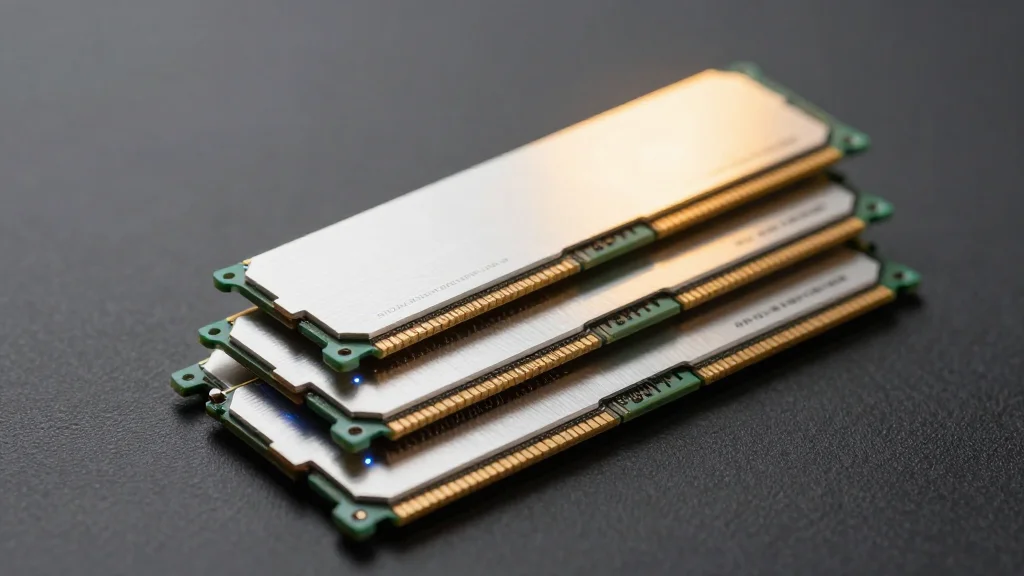
Roundhill Memory ETF Hits $10 B AUM, Near‑Doubling Price in 30 Days

Companies Mentioned
Why It Matters
The DRAM ETF’s explosive growth demonstrates that investors are willing to allocate massive capital to narrowly defined, high‑growth themes when they perceive a structural demand driver—in this case, AI‑related memory needs. Its success could encourage other asset managers to launch similarly focused ETFs, intensifying competition for niche investor dollars and potentially crowding the market with leveraged or derivative‑heavy products that amplify risk. Moreover, the fund’s concentration highlights the systemic vulnerability of a sector that could swing sharply if AI spending slows or memory supply expands, making it a bellwether for broader AI‑related market dynamics. For the ETF industry, DRAM sets a new speed record for asset accumulation, reshaping expectations around launch marketing, distribution, and the importance of clear thematic positioning. Regulators may also scrutinize the use of swaps and the prospect of leveraged versions, prompting tighter oversight of concentrated, high‑volatility ETFs. The fund’s trajectory will likely influence how future AI‑centric products are structured, priced, and marketed.
Key Takeaways
- •Roundhill Memory ETF (DRAM) reached $10 billion AUM in ~30 trading days, the fastest ETF growth ever.
- •Share price climbed about 84‑90% since its April 2 launch, trading near $52.80 per share.
- •Top three holdings—SK Hynix, Micron, Samsung—represent roughly 74% of the portfolio.
- •Fund uses swap agreements, including a 9% Micron swap, to boost exposure.
- •A leveraged 2x Daily Memory ETF has been filed, raising concerns about volatility and decay.
Pulse Analysis
Roundhill’s DRAM ETF is a textbook case of thematic hype translating into capital at breakneck speed. The AI boom has created a narrative where memory chips are the new bottleneck, and the fund’s branding as the first pure‑play memory ETF gave it a first‑mover advantage. By coupling an active‑management model with a tight, high‑conviction portfolio, Roundhill captured the appetite of investors who want direct exposure without the broader semiconductor noise.
Historically, niche ETFs have taken months or years to reach double‑digit billions; DRAM’s ascent in under a month suggests that the market’s appetite for AI‑related themes is not just strong but also impatient. This impatience is a double‑edged sword: while inflows can fuel rapid price appreciation, they also inflate valuations and compress margins for the underlying chip makers. Should the AI spending cycle plateau or memory supply tighten, the fund’s concentrated exposure could precipitate outsized losses, especially given its derivative overlay.
The filing of a 2x leveraged version underscores a broader industry trend—productizing volatility. Leveraged ETFs have surged in popularity, but pairing leverage with a sector that is already highly cyclical amplifies risk dramatically. Investors and regulators will likely scrutinize the risk disclosures and the suitability of such products for retail investors. In the short term, DRAM will serve as a barometer for AI‑driven capital flows, while in the longer term it may prompt a wave of hyper‑focused ETFs that chase the next AI‑adjacent supercycle.
Roundhill Memory ETF Hits $10 B AUM, Near‑Doubling Price in 30 Days
Comments
Want to join the conversation?
Loading comments...