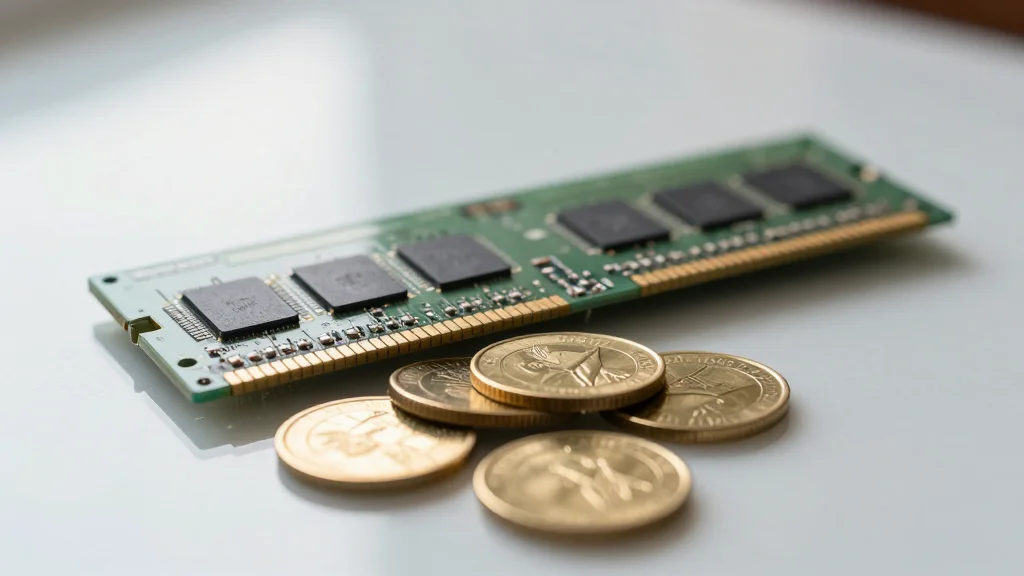
Roundhill Memory ETF Hits $6.5 B AUM in 36 Days, Fastest Thematic Fund Since Pandemic

Why It Matters
The DRAM ETF’s meteoric rise signals a shift in investor focus from software‑centric AI plays to the physical hardware that enables those models. By concentrating on memory chips, the fund offers a direct conduit to the supply‑chain bottlenecks that could limit AI scaling, making it a strategic barometer for both investors and policymakers monitoring the AI hardware shortage. Furthermore, the speed of retail participation challenges the conventional wisdom that thematic ETFs grow slowly and rely on institutional capital. The $200 million retail net buying milestone in less than a month suggests that retail investors are now sophisticated enough to chase niche, infrastructure‑focused trades, potentially reshaping the demand dynamics for future thematic launches.
Key Takeaways
- •Roundhill Memory ETF (DRAM) reached $6.5 billion AUM in just 36 days, the fastest thematic ETF ever.
- •Retail investors contributed over $200 million in net purchases within the first 27 trading days.
- •Top holdings—Samsung, SK Hynix and Micron—make up about 75% of the fund, creating concentration risk.
- •A leveraged 2× daily version of DRAM has been filed with the SEC, targeting short‑term traders.
- •DRAM’s 98% YTD gain outpaces Bitcoin ETFs and underscores the growing premium on AI‑hardware exposure.
Pulse Analysis
The DRAM ETF’s breakout underscores a broader market transition: investors are no longer content with betting on AI software alone; they are now seeking exposure to the physical constraints that could throttle the sector’s growth. Memory chips, especially high‑bandwidth variants, have become the new "gold" of the AI supply chain, and the ETF’s composition reflects that reality. Historically, thematic ETFs have taken months or even years to amass comparable assets, but the confluence of a tight DRAM supply, soaring AI data‑center budgets, and a retail base hungry for differentiated trades compressed that timeline dramatically.
From a competitive standpoint, Roundhill’s first‑mover advantage in the memory niche forces incumbents like Invesco and First Trust to reconsider their product roadmaps. The planned leveraged version of DRAM could spark a wave of short‑term, high‑beta memory products, intensifying competition for retail attention and potentially inflating volatility. However, the concentration risk—three firms accounting for three‑quarters of assets—means a single earnings miss or supply‑chain shock could trigger outsized price swings, a factor that risk‑averse investors must weigh.
Looking ahead, the fund’s trajectory will hinge on two variables: the trajectory of AI‑driven memory demand and the ability of memory manufacturers to scale production without eroding pricing power. If AI model sizes continue to balloon and data‑center spend remains robust, DRAM could cement its status as a core holding for AI‑themed portfolios. Conversely, any breakthrough in memory‑efficiency technology or a slowdown in AI capex could deflate the rally, testing the resilience of a fund that has grown so quickly on hype and concentration. The market will be watching closely as the SEC reviews the leveraged filing and as the next earnings season reveals whether the memory boom is sustainable or a fleeting flash.
Roundhill Memory ETF Hits $6.5 B AUM in 36 Days, Fastest Thematic Fund Since Pandemic
Comments
Want to join the conversation?
Loading comments...