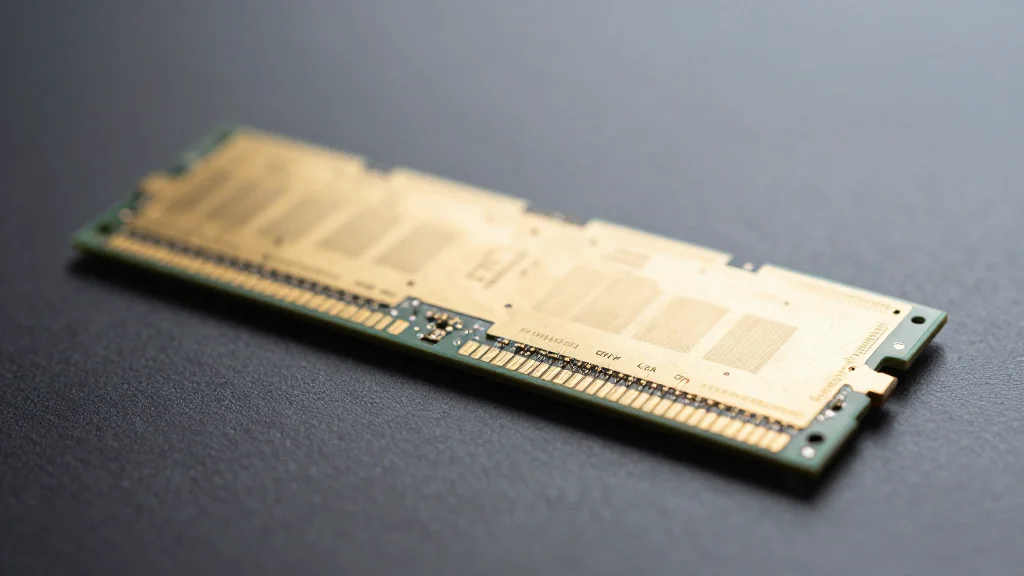
Roundhill Memory ETF Raises $7.3 B in Six Weeks, Shattering Fundraising Record

Companies Mentioned

Why It Matters
The DRAM ETF’s record‑breaking fundraising underscores a shift in how retail investors allocate capital, favoring highly concentrated, narrative‑driven products over broad market indices. Its success validates the demand for direct exposure to niche technology sub‑sectors, prompting issuers to craft more targeted ETFs and potentially reshaping product pipelines across the industry. Moreover, the fund’s concentration risk highlights a tension between rapid capital deployment and investor protection. Regulators and advisors may need to develop new guidelines for ultra‑concentrated thematic ETFs to ensure that retail participants understand the volatility inherent in such vehicles, especially when tied to cyclical sectors like semiconductors.
Key Takeaways
- •DRAM raised $7.33 billion in assets in just 27 trading days, the fastest ever for an ETF.
- •Retail investors contributed over $200 million in net buying within the first 27 sessions.
- •Top three holdings—SK Hynix, Micron, Samsung—represent about 75% of the portfolio.
- •Single‑day net inflow peaked at $55 million on May 11, the largest retail‑driven inflow for any ETF.
- •DRAM’s price surged ~88% since launch, outpacing most thematic ETFs launched in 2024‑2025.
Pulse Analysis
Roundhill’s DRAM ETF illustrates how a tightly defined investment thesis can accelerate fund formation in the modern ETF market. Historically, thematic ETFs required months, if not years, to reach multi‑billion‑dollar AUM levels; DRAM compressed that timeline to weeks by tapping a clear AI‑driven memory narrative and offering a rare direct conduit to South Korea’s dominant chipmakers. This speed suggests that the barrier to entry for new thematic products is lowering, provided issuers can articulate a compelling story and secure robust retail distribution channels.
However, the fund’s concentration also raises a cautionary flag. While the concentrated exposure delivers outsized returns during sector rallies, it magnifies downside risk during pullbacks, as evidenced by the 7% dip on May 12. As more managers chase similar rapid‑growth models, we may see a proliferation of ultra‑concentrated ETFs, prompting a regulatory dialogue on disclosure standards, suitability assessments, and risk‑management frameworks. The industry’s next challenge will be balancing the allure of swift capital inflows with the responsibility to protect investors from heightened volatility.
In the longer term, DRAM’s performance will serve as a barometer for the sustainability of AI‑driven demand for memory chips. If the sector’s growth trajectory holds, we could see a wave of spin‑off products targeting sub‑segments like high‑bandwidth memory or edge‑AI chips, further fragmenting the thematic ETF space. Conversely, a semiconductor slowdown could test the resilience of concentrated funds and potentially temper the enthusiasm that currently fuels record‑breaking launches.
Roundhill Memory ETF Raises $7.3 B in Six Weeks, Shattering Fundraising Record
Comments
Want to join the conversation?
Loading comments...