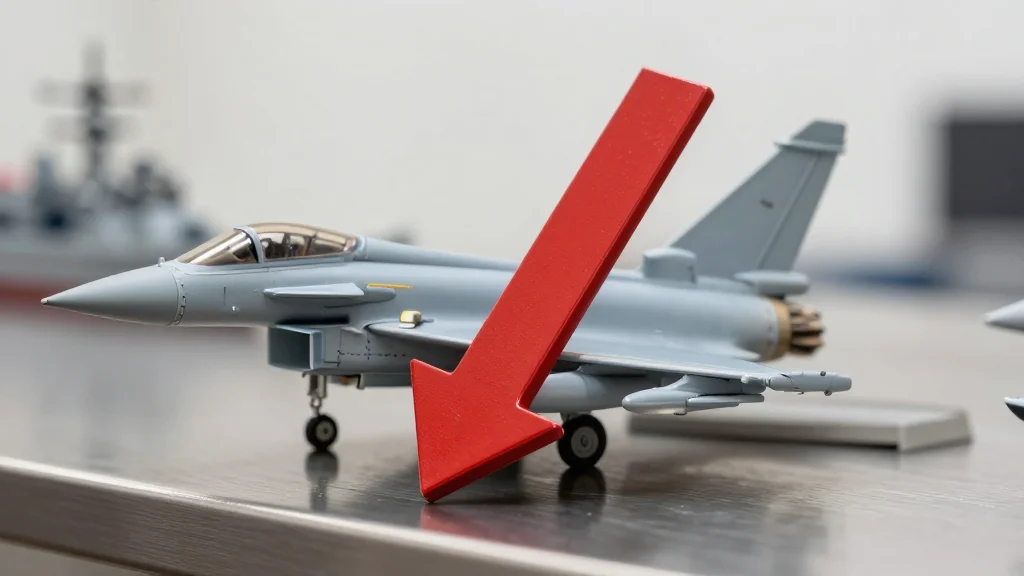
European Defence Stocks Tumble up to 6% as Ukraine‑Russia Settlement Hopes Rise

Companies Mentioned

Why It Matters
The defence sector accounts for a sizable share of the Euro Stoxx 600, and its performance often reflects broader geopolitical risk assessments. A sharp, sector‑specific decline signals that investors are already pricing in the possibility of reduced military spending, which could affect earnings for the region’s largest exporters. Moreover, the move underscores how diplomatic developments can decouple a single industry from the overall market trend, creating both risk and opportunity for portfolio managers. For policymakers, the reaction highlights the delicate balance between supporting defence industries that contribute to employment and technological innovation, and managing public expectations about fiscal priorities once a conflict winds down. The episode may prompt governments to reconsider the timing and scale of future procurement programmes, potentially reshaping the competitive landscape for European arms makers.
Key Takeaways
- •Rheinmetall fell 5.9% and Hensoldt dropped 5.9% after reports of progress in Ukraine‑Russia talks.
- •BAE Systems slid 3.3% while Sweden’s Saab lost 2.2%, marking a sector‑wide sell‑off.
- •The broader Stoxx Europe 600 index rose 0.4% despite the defence decline.
- •Kyrylo Budanov, former Ukrainian spy and Zelenskiy aide, signaled optimism about a settlement.
- •Ruth Brand warned that rising energy prices are pushing inflation higher across Europe.
Pulse Analysis
The defence‑sector tumble is a textbook case of geopolitical news overriding macro‑economic fundamentals. Over the past two years, European arms makers have ridden a wave of heightened demand, buoyed by NATO’s increased procurement and the urgent need to replace ageing inventories. That narrative has been reinforced by a steady stream of large contracts, which helped lift defence stocks even as the broader market wrestled with inflation and energy concerns. However, the market’s rapid pivot on Friday shows that the war‑driven premium is fragile; investors are quick to discount future earnings when the prospect of a negotiated settlement appears credible.
Historically, defence equities have demonstrated a low‑beta profile, often moving in the opposite direction of broader market sentiment during periods of heightened conflict. The current correction suggests a re‑pricing of that risk premium, with investors now demanding a higher discount rate for future cash flows. Companies with diversified revenue streams—such as Rheinmetall’s automotive division or BAE’s cyber‑security arm—may weather the shock better than pure‑play weapons manufacturers. The key question for the sector will be how quickly governments adjust their defence budgets in response to a de‑escalation, and whether new strategic priorities, like cyber and space, can offset any slowdown in traditional weapons procurement.
Looking forward, the next round of diplomatic talks will likely set the tone for the defence market for the remainder of the year. A concrete cease‑fire or peace agreement could trigger a deeper, more sustained pullback in defence orders, pressuring earnings and prompting a re‑allocation of capital toward growth sectors such as renewable energy and digital infrastructure. Conversely, a breakdown in negotiations could reignite the war‑driven demand, restoring the sector’s upward momentum. Investors should therefore maintain a flexible stance, monitoring both diplomatic signals and government budget announcements to gauge the durability of the current sell‑off.
European defence stocks tumble up to 6% as Ukraine‑Russia settlement hopes rise
Comments
Want to join the conversation?
Loading comments...