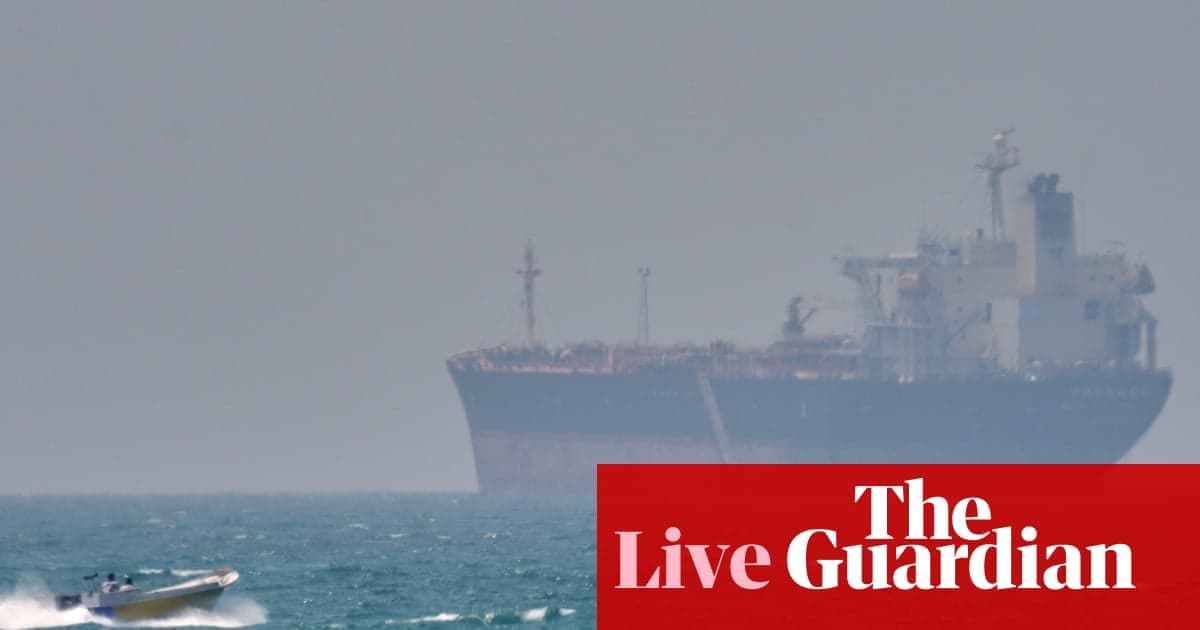
European Stock Markets Fall and Oil and Gas Prices Jump 5% as Strait of Hormuz ‘Chaos’ Worries Investors – Business Live
Companies Mentioned

Why It Matters
The Hormuz tension is inflating energy costs, squeezing inflation‑sensitive consumers and tightening financial conditions across Europe, raising the odds of a near‑term slowdown in the UK and broader market volatility.
Key Takeaways
- •FTSE 100 slipped 0.4% as Hormuz closure spooks investors
- •Brent crude rose 5% to $95.60 per barrel
- •UK 10‑year gilt yield climbed to 4.8%, pressuring debt costs
- •Consumer confidence fell to 42.3, a 33‑month low
- •BP and Shell gained ~2.5% on higher energy prices
Pulse Analysis
The sudden re‑closure of the Strait of Hormuz has reignited a classic supply‑risk premium in global energy markets. Brent crude, which fell 9% on Friday, rebounded 5% to $95.60 a barrel, while Europe’s month‑ahead gas contract jumped 5.7% to roughly $44 per megawatt‑hour. The spike adds fresh inflationary pressure at a time when central banks are already grappling with elevated rates, and it forces oil‑intensive sectors such as airlines and logistics to reassess cost structures. Investors are watching the tug‑of‑war between diplomatic overtures and military posturing, aware that any further escalation could push oil above $100 and trigger broader commodity rallies.
European equity markets responded with a swift pull‑back, led by the FTSE 100, Germany’s DAX and Italy’s FTSE Mib, each falling between 0.4% and 1.3%. Energy stocks bucked the trend, with BP and Shell posting gains of roughly 2.5% on the back of higher oil prices, while airline carriers like IAG, Wizz Air and easyJet slumped 3‑5% on fears of jet‑fuel shortages. In the UK, the rise in gilt yields – the 10‑year now at 4.8% – reflects heightened risk premia and the prospect of tighter monetary policy as inflation sticks. Meanwhile, consumer sentiment slipped to a 33‑month low, underscoring the strain on households already coping with fuel prices still 18% above pre‑war levels.
The broader macro backdrop points to a fragile recovery. The Bank of England’s deputy governor warned that leveraged credit markets and over‑valued assets could echo past crises if geopolitical shocks converge with domestic financial stress. EY’s Item Club now forecasts a flat‑lined UK economy through Q2‑Q3 2026, flirting with recession as unemployment edges higher. Policymakers face a delicate balancing act: contain inflation without choking growth, while investors must navigate heightened volatility, diversify away from rate‑sensitive sectors, and monitor diplomatic developments that could either defuse or deepen the energy shock.
European stock markets fall and oil and gas prices jump 5% as strait of Hormuz ‘chaos’ worries investors – business live
Comments
Want to join the conversation?
Loading comments...