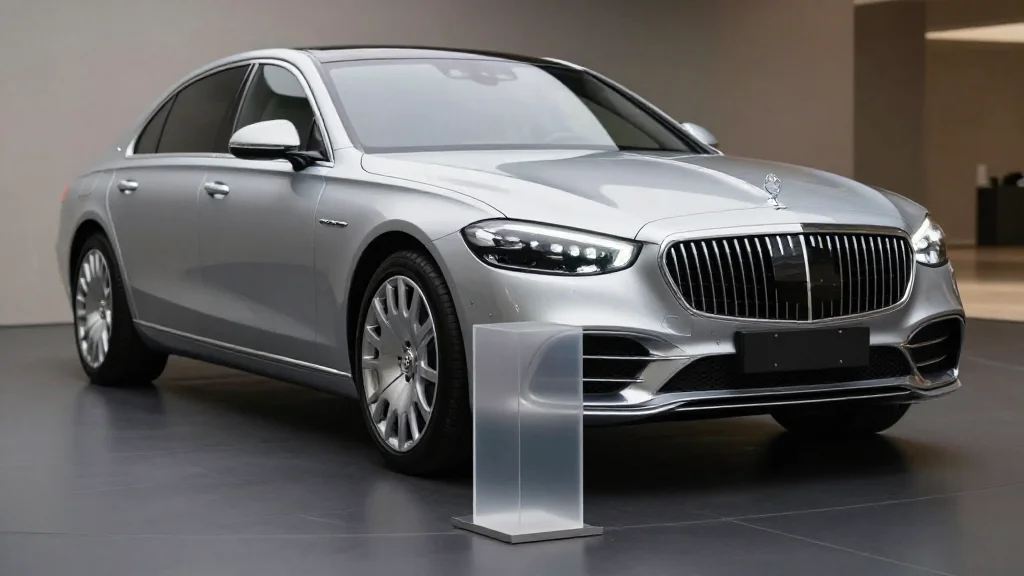
European Stocks Hold Steady as Auto Shares Slip on Looming U.S. Tariffs

Companies Mentioned
Why It Matters
The auto sector accounts for a sizable share of European industrial output and export earnings. A 25% U.S. tariff would erode profit margins for German manufacturers, potentially prompting price hikes, supply‑chain adjustments, or even production cuts. Such a shock could ripple through related industries, from parts suppliers to logistics firms, amplifying the economic impact beyond the headline numbers. Moreover, the market’s flat stance amid geopolitical uncertainty highlights a fragile equilibrium. Investors are balancing the risk of higher trade barriers against the potential upside from any diplomatic progress in the Middle East, which could ease energy price pressures and restore confidence in riskier assets. The outcome will influence capital flows into Europe and shape the region’s recovery trajectory.
Key Takeaways
- •STOXX 600 closed flat at 611.98 points, unchanged from the previous session.
- •German automakers BMW, Mercedes‑Benz, Porsche, and Volkswagen fell between 1.5% and over 2%.
- •U.S. President Donald Trump announced a tariff increase to 25% on EU cars and trucks.
- •Automobiles index declined 1.6% while Thyssenkrupp rose 1.2% after pausing a steel‑sale deal.
- •European markets remain about 4% below pre‑war trading levels despite AI‑driven gains in U.S. equities.
Pulse Analysis
The current stalemate in European equities underscores a market caught between two divergent forces: trade policy risk and geopolitical optimism. The auto sector’s sharp decline is a textbook reaction to tariff uncertainty; German manufacturers have long relied on the U.S. as a key export market, and a 10‑percentage‑point duty hike could shave billions off annual revenues. In the short term, we may see firms accelerate cost‑cutting measures, renegotiate supplier contracts, or explore alternative markets such as Southeast Asia to offset the U.S. exposure.
At the same time, the broader market’s composure reflects a cautious optimism that diplomatic progress in the Middle East could alleviate energy price volatility—a persistent drag on European industrial profitability. If negotiations yield tangible outcomes, the STOXX 600 could regain momentum, especially in energy‑intensive sectors that have been penalized by higher oil and gas costs. However, any escalation in trade tensions would likely reverse that trend, prompting a re‑pricing of risk across the continent.
Strategically, investors should monitor the European Commission’s response to the U.S. tariff threat. A coordinated counter‑tariff or subsidy package could mitigate the impact on automakers, but such measures risk sparking a broader trade dispute. In the interim, portfolio managers may tilt toward defensive industrials, utilities, and firms with limited U.S. exposure, while maintaining a watchful eye on the evolving diplomatic landscape that could unlock the next wave of market upside.
European Stocks Hold Steady as Auto Shares Slip on Looming U.S. Tariffs
Comments
Want to join the conversation?
Loading comments...