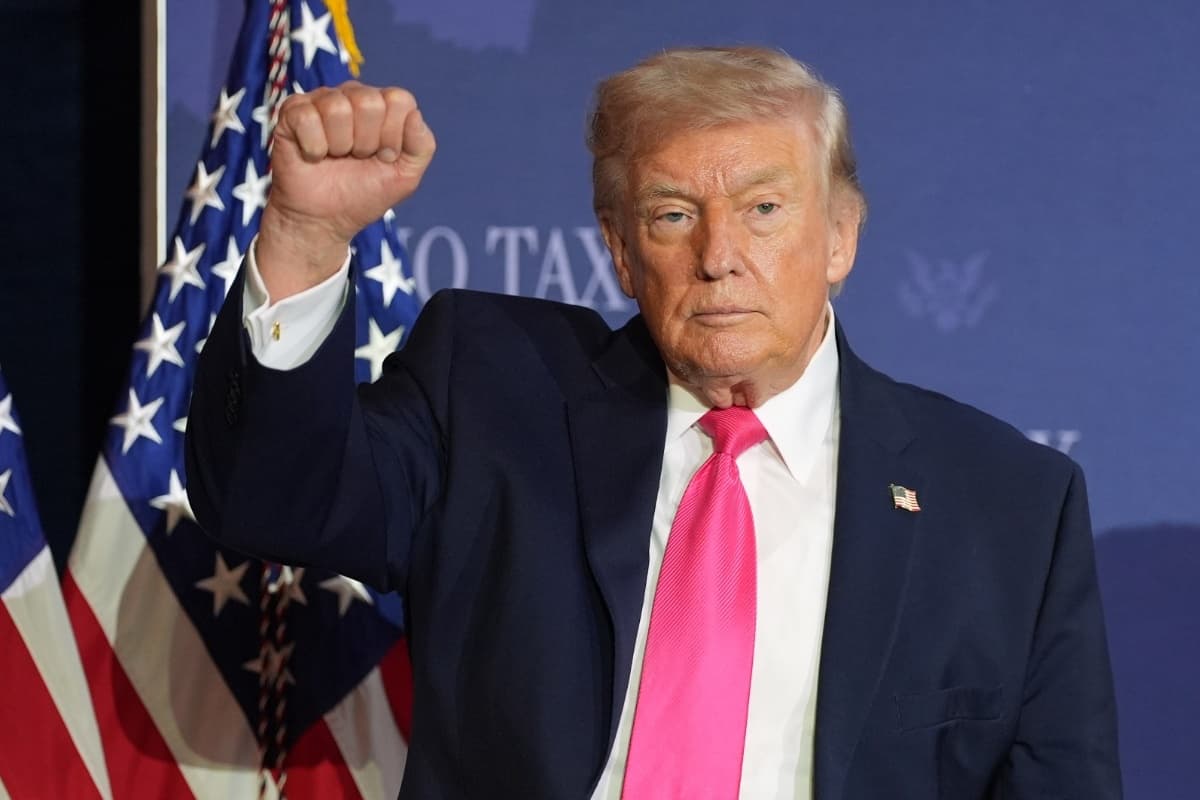
FTSE 100 Live: Stocks to Jump as Trump Ends ‘Project Freedom’; Borrowing Costs Soar
Companies Mentioned
Why It Matters
The Trump pause could stabilize Middle‑East markets while the UK’s fiscal strain and soaring gilt yields signal higher borrowing costs and volatility for investors.
Key Takeaways
- •Trump pauses "Project Freedom" to pursue Iran peace deal
- •UK gilt yields reach 28‑year high amid election uncertainty
- •OBR forecasts extra £23.1bn ($29bn) borrowing if energy shock hits
- •Brent crude steadies above $100, easing inflation pressure
- •Retailers and banks brace for fiscal policy shifts in upcoming vote
Pulse Analysis
The sudden suspension of President Trump’s "Project Freedom" operation marks a notable shift in U.S. foreign policy, signaling a willingness to prioritize diplomatic resolution over military pressure in Iran. Market participants have already priced in reduced geopolitical risk, with oil prices easing modestly and risk‑off sentiment easing across equities. Analysts suggest that a durable peace agreement could lower oil‑related volatility, benefitting sectors ranging from transportation to consumer goods, while also freeing fiscal resources for domestic priorities in Washington.
Across the Atlantic, the United Kingdom faces a fiscal crossroads as gilt yields climb to their highest level in nearly three decades. The surge reflects investor anxiety over the outcome of local elections and the potential for a left‑leaning coalition under Keir Starmer, which could reshape fiscal discipline. The Office for Budget Responsibility’s latest projection—an extra £23.1 billion (about $29 billion) in borrowing needed to cushion an energy shock—highlights the strain on public finances and foreshadows higher debt servicing costs for the Treasury and private investors alike.
Energy markets remain a pivotal driver of both U.S. and UK economic outlooks. Brent crude, while still above $100 per barrel, has steadied, offering a modest reprieve for inflation‑sensitive industries. Yet the lingering threat of an oil supply disruption, reminiscent of the 1973 embargo, keeps policymakers vigilant. Retailers are urging the government to act on rising costs, and banks are monitoring potential tax reforms tied to the upcoming election, underscoring how intertwined fiscal policy, energy prices, and geopolitical developments are in shaping market dynamics today.
FTSE 100 Live: Stocks to jump as Trump ends ‘Project Freedom’; borrowing costs soar
Comments
Want to join the conversation?
Loading comments...