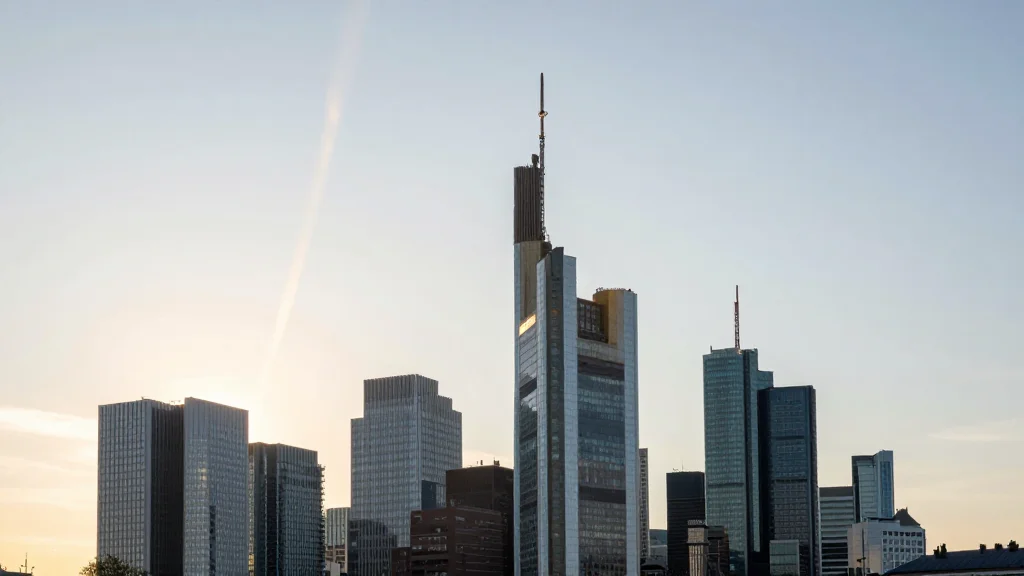
German DAX Edges Higher as Oil Prices Slip and US‑Iran Talks Resume

Why It Matters
The DAX is the barometer for Germany, Europe’s largest economy, and its performance often sets the tone for the broader Euro‑zone equity market. A rise, even modest, signals that investors are willing to price in a lower‑risk outlook despite ongoing geopolitical uncertainty. The interplay between oil prices and diplomatic developments directly affects German exporters, industrial producers, and the euro’s exchange rate, influencing everything from corporate earnings to consumer inflation. Moreover, the DAX’s movement provides a real‑time gauge of how European investors digest U.S. foreign‑policy actions. A shift from a sharp decline to a cautious rally within 24 hours highlights the market’s sensitivity to both commodity price swings and the prospect of diplomatic breakthroughs, underscoring the importance of monitoring geopolitical news for Euro‑stock strategies.
Key Takeaways
- •DAX rose nearly 1% as Brent crude fell to $96.50 per barrel, easing energy‑price pressure.
- •U.S. and Iranian delegations are expected to reconvene in Pakistan within two days, boosting market sentiment.
- •President Donald Trump told Fox News talks could resume "within the next two days," adding optimism.
- •Neil Newman of Astris Advisory warned that oil prices remain a major concern for investors.
- •Euro slipped to $1.1696 against the dollar, reflecting mixed currency reactions to the geopolitical backdrop.
Pulse Analysis
The DAX’s modest rally illustrates the delicate balance European markets are striking between geopolitical risk and commodity fundamentals. Historically, German equities have shown resilience when oil prices retreat, as lower input costs improve margins for heavy‑industry firms and auto manufacturers. This pattern re‑emerged this week, with Brent’s dip offsetting the negative sentiment from stalled U.S.–Iran talks.
However, the market’s optimism is fragile. The DAX’s gain is contingent on the perception that diplomatic channels remain open; a sudden escalation could quickly reverse the trend, as seen in the sharp decline recorded the previous day when the U.S. announced a Hormuz blockade. Investors should therefore monitor not only oil price trajectories but also any concrete signals from the upcoming Pakistan talks. Companies with high exposure to energy costs—such as BASF, Siemens, and Volkswagen—are likely to be the first to feel the impact, making them key barometers for the next market move.
From a strategic standpoint, portfolio managers might consider a tactical tilt toward German exporters while maintaining a hedge against oil‑price volatility. Options on the DAX or sector‑specific ETFs could provide protection if the geopolitical situation deteriorates. In the longer term, the episode underscores the importance of integrating geopolitical risk analysis into Euro‑stock investment frameworks, as even brief diplomatic shifts can produce outsized moves in Europe’s flagship index.
German DAX Edges Higher as Oil Prices Slip and US‑Iran Talks Resume
Comments
Want to join the conversation?
Loading comments...