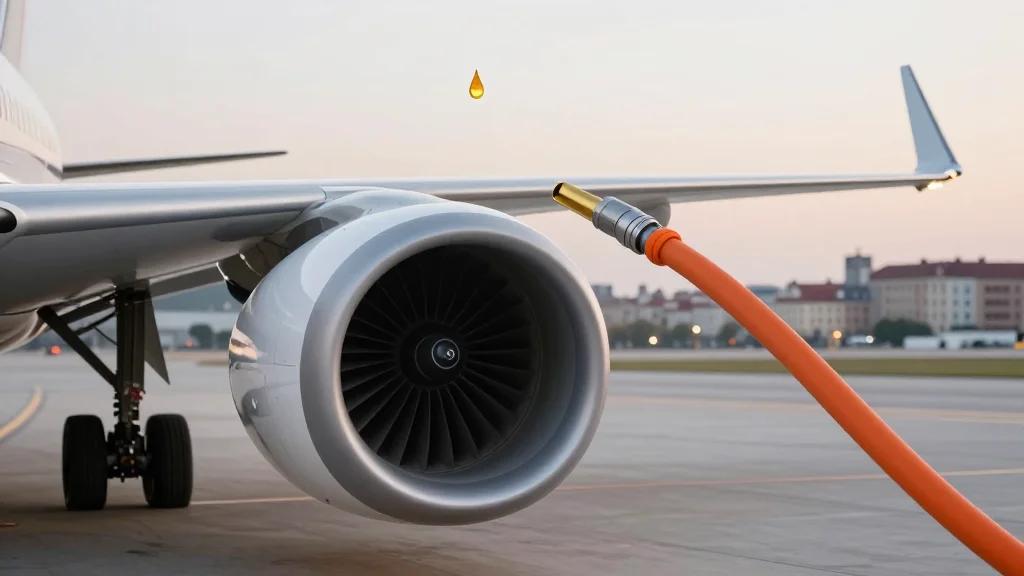
Jet‑Fuel Shortage Fears Prompt Warnings From Europe’s Top Low‑Cost Carriers

Companies Mentioned

Why It Matters
The jet‑fuel supply issue sits at the intersection of geopolitics, commodity markets and airline profitability, making it a flashpoint for Euro‑stock investors. A sustained shortage would compress margins for low‑cost carriers that operate on thin spreads, potentially triggering earnings downgrades and share‑price volatility. Conversely, any successful mitigation—through hedging, diversified sourcing or regulatory relief—could preserve the sector’s growth outlook for the summer travel boom. Beyond the airlines, the broader tourism ecosystem—including airports, ancillary service providers and travel agencies—relies on predictable flight capacity. A cascade of cancellations or fare spikes could dampen consumer demand, affecting revenue streams across the continent and reshaping the competitive dynamics between budget and legacy carriers.
Key Takeaways
- •Ryanair, easyJet, Jet2, Wizz Air and British Airways issue jet‑fuel shortage warnings.
- •IATA’s Willie Walsh predicts possible cancellations by end‑May if fuel supply tightens.
- •UK government relaxes ‘use‑it‑or‑lose‑it’ slot rules to protect airlines from forced flights.
- •IAG warns fare hikes despite hedging, citing rising jet‑fuel costs.
- •EU Energy Commissioner Dan Jørgensen cautions travellers of higher prices or cancellations.
Pulse Analysis
The current jet‑fuel scare underscores how quickly external shocks can reverberate through Euro‑listed airline equities. Historically, fuel price spikes have been a primary driver of earnings volatility for carriers, especially low‑cost operators that lack the balance‑sheet depth of legacy airlines. The market’s muted reaction so far suggests investors are pricing in the industry’s existing hedging strategies, but the IEA’s six‑week runway estimate hints at a narrow safety margin.
Regulatory flexibility around slot usage is a double‑edged sword. While it shields airlines from punitive slot loss, it also reduces the incentive to maintain full schedules, potentially eroding slot value over time. If the Hormuz disruption persists, we could see a re‑pricing of slot assets on European exchanges, with a knock‑on effect on airport revenues.
Looking ahead, the decisive factor will be the duration of the Strait of Hormuz blockage. A short‑term bottleneck may be absorbed by existing bunkered stocks and diversified supply chains, limiting impact on cash flow. A protracted closure, however, would force carriers to lean heavily on hedges, compress margins, and likely pass costs onto passengers. In that scenario, we expect a divergence: legacy carriers with stronger balance sheets may weather the storm better, while budget airlines could see share‑price corrections of 5‑10% as investors reassess growth forecasts for the summer travel season.
Jet‑Fuel Shortage Fears Prompt Warnings from Europe’s Top Low‑Cost Carriers
Comments
Want to join the conversation?
Loading comments...