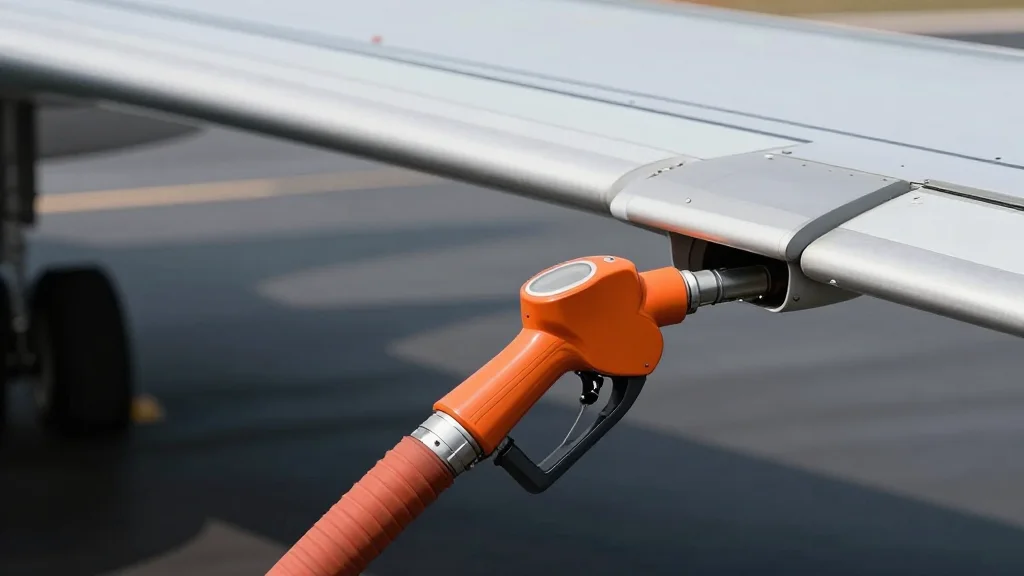
Lufthansa Cuts 20,000 Flights as Jet Fuel Prices Double Amid Iran Conflict

Companies Mentioned
Why It Matters
The Lufthansa flight cancellations illustrate how geopolitical shocks can quickly translate into tangible financial strain for Euro‑stock constituents. Airlines are among the most fuel‑sensitive businesses, and a doubling of jet fuel costs can erode margins by double‑digit percentages. The move also signals to investors that other energy‑intensive sectors—such as chemicals, steel and logistics—may face similar pressures, prompting a reassessment of earnings forecasts across the board. The EU’s pending emergency energy package could mitigate some of these pressures if it succeeds in lowering overall consumption and easing input costs for firms. However, the timing and scale of the relief remain uncertain, leaving market participants to balance short‑term pain against the prospect of longer‑term policy support. The outcome will shape the risk‑return profile of a swath of Euro‑listed companies over the coming months.
Key Takeaways
- •Lufthansa cancels 20,000 flights until October, saving 40,000 tons of jet fuel.
- •Jet fuel prices have doubled since the Iran war began, squeezing airline margins.
- •Summer capacity on Lufthansa’s network drops by about 1%, affecting routes like Frankfurt‑Stavanger.
- •EU Commission drafts an emergency energy package to curb consumption and lower costs.
- •Euro‑stock indices see travel & leisure sector fall ~1.2% after the announcement.
Pulse Analysis
Lufthansa’s aggressive capacity trimming is a textbook response to a commodity price shock, but it also underscores a deeper vulnerability in the Euro‑stock landscape: many listed firms lack sufficient hedging against rapid energy price swings. Historically, airlines have used fuel‑hedging contracts to smooth out volatility, yet the scale of the current surge appears to have outpaced existing safeguards. This suggests a potential re‑evaluation of risk‑management practices across the continent, especially for firms with thin operating margins.
The EU’s emergency package, while still in draft, could become a pivotal catalyst for market stabilization. By incentivising remote work and cheaper public transport, the Commission aims to reduce aggregate demand for energy, indirectly lowering wholesale prices. If implemented swiftly, the policy could restore some confidence among investors, particularly in sectors where input costs dominate cost structures. However, the package’s effectiveness hinges on coordination with national governments and the speed of rollout—factors that have historically slowed EU-wide initiatives.
In the near term, investors should monitor two variables: the trajectory of jet fuel prices and the legislative progress of the EU’s energy relief plan. A sustained high‑fuel environment could force further route cuts, pressuring airline earnings and prompting a broader sell‑off in travel‑related equities. Conversely, a swift policy response could cushion the blow, offering a rally opportunity for undervalued Euro‑stocks that have been penalized by the initial shock. Strategic positioning now will likely reward those who balance exposure to energy‑intensive firms with a watchful eye on policy developments.
Lufthansa Cuts 20,000 Flights as Jet Fuel Prices Double Amid Iran Conflict
Comments
Want to join the conversation?
Loading comments...