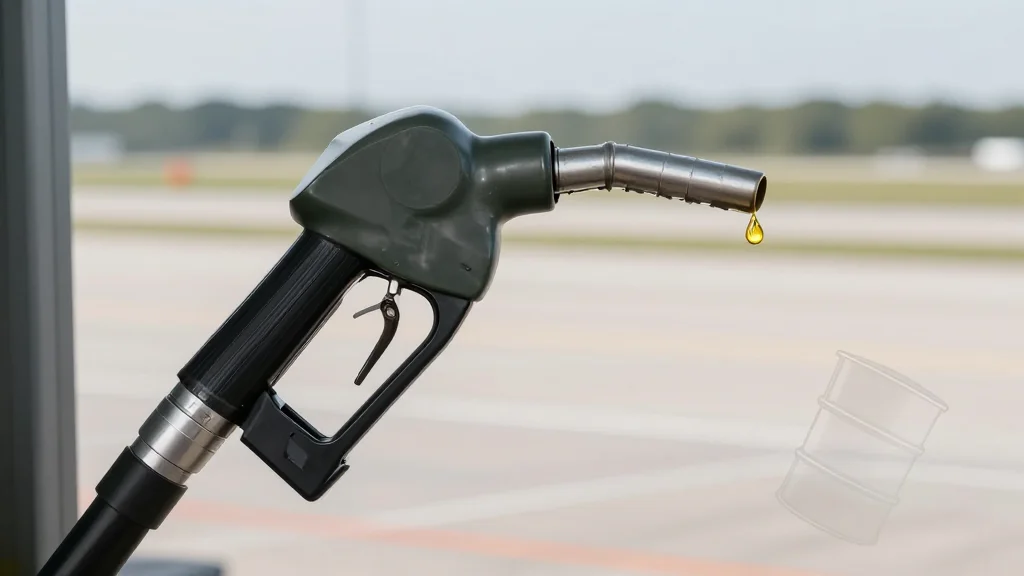
Oil Prices Top $100 as FTSE Slides, Raising Jet‑Fuel Concerns for European Travel Stocks

Why It Matters
The surge in oil prices above $100 per barrel directly impacts the cost structure of European airlines, a sector that contributes significantly to the FTSE 100’s performance. Higher jet‑fuel costs can compress margins, potentially leading to reduced earnings, lower dividend payouts, and weaker stock valuations, which in turn affect investors and pension funds with exposure to Euro‑zone equities. Beyond airlines, the ripple effect extends to ancillary businesses such as airport services, catering, and ground handling firms that depend on stable flight operations. Persistent fuel‑price volatility could also influence consumer travel behavior, dampening demand for leisure trips and affecting tourism‑related revenue streams across the continent.
Key Takeaways
- •Oil prices breached $100 per barrel after Iran‑U.S. talks collapsed
- •FTSE 100 fell, led by travel stocks down 2%‑3% in early trade
- •Jet‑fuel makes up ~30% of airline operating costs, raising margin pressure
- •European airports begin contingency planning for potential fuel supply disruptions
- •Analysts warn limited hedging could force airlines to cut capacity or raise fares
Pulse Analysis
The latest oil price rally reintroduces a risk factor that European equities have largely been insulated from over the past two years. While the broader market has benefited from a low‑inflation environment, the re‑emergence of commodity‑driven cost pressures forces a reassessment of sectoral resilience. Airlines, in particular, operate on thin margins and are highly sensitive to fuel cost fluctuations. Those with robust hedging programs—such as Lufthansa—may weather the storm better than low‑cost carriers that historically rely on cheaper fuel to sustain aggressive pricing models.
From a valuation perspective, the current dip in travel‑related stocks could present a buying opportunity for contrarian investors, provided they have confidence in the durability of demand and the ability of carriers to pass on higher costs. However, the geopolitical backdrop adds a layer of uncertainty; a prolonged blockade of the Strait of Hormuz would not only keep oil prices elevated but could also trigger supply chain disruptions that reverberate through the logistics and manufacturing sectors.
Strategically, European policymakers may need to consider measures to mitigate fuel‑price shocks, such as encouraging diversified fuel sourcing or supporting strategic reserves. In the meantime, market participants should keep a close eye on diplomatic signals from Tehran and Washington, as any de‑escalation could quickly reverse the current price trajectory and restore stability to the Euro‑stock landscape.
Oil Prices Top $100 as FTSE Slides, Raising Jet‑Fuel Concerns for European Travel Stocks
Comments
Want to join the conversation?
Loading comments...