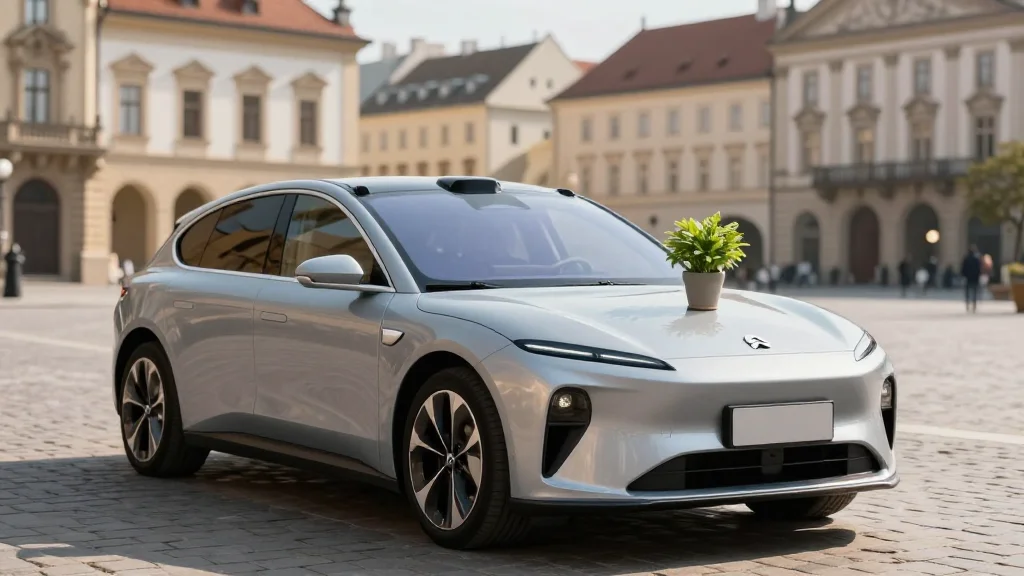
Renault Secures SBTi Endorsement, Targets 72% Emissions Cut and 16 EV Models by 2030

Companies Mentioned
Why It Matters
Renault’s SBTi‑approved targets signal a concrete, science‑backed pathway for one of Europe’s largest carmakers to align with the EU’s climate agenda. By tying emissions cuts to a tangible EV rollout, the company is positioning itself to capture a growing share of the continent’s zero‑emission vehicle market, which the European Commission expects to represent over 30% of new car registrations by 2030. The move also provides a benchmark for other European manufacturers, many of which are still negotiating their own climate commitments. For investors, the endorsement reduces regulatory and reputational risk while opening access to green financing channels. The announced €4 billion investment in EVs and related infrastructure underscores Renault’s commitment to a long‑term, sustainable growth model, potentially enhancing its valuation in a market that increasingly rewards ESG‑aligned strategies.
Key Takeaways
- •SBTi approves Renault’s 72% operational emissions cut by 2035
- •57% reduction target for emissions from vehicle production and use
- •Renault plans to launch 16 new EV models by 2030
- •Goal to achieve 25% of sales from electric vehicles by 2030
- •€4 billion (≈$4.3 billion) earmarked for EV development and battery supply
Pulse Analysis
Renault’s latest climate pledge marks a decisive shift from incremental sustainability reporting to a performance‑driven, science‑based framework. The SBTi endorsement not only validates the company’s methodology but also creates a transparent metric that investors can track, reducing the opacity that has plagued many automakers’ ESG disclosures. Historically, Renault has struggled with profitability, and its pivot to a robust EV pipeline could revive its competitive edge, especially as German rivals accelerate their own electrification strategies.
The 16‑model EV roadmap is ambitious, but it leverages Renault’s existing modular platforms, which should mitigate the capital intensity typically associated with new model development. By integrating battery production partnerships and securing green‑bond financing, Renault is spreading risk across the supply chain and financing landscape. If the first wave of models meets sales expectations, the company could capture a meaningful slice of the projected €150 billion (≈$162 billion) European EV market by 2030, translating into higher margins and a stronger balance sheet.
However, execution risk remains. The automotive sector faces supply‑chain bottlenecks, especially for lithium and cobalt, and regulatory timelines for emissions standards are tightening. Renault’s success will hinge on its ability to deliver cost‑competitive EVs without compromising quality, while also navigating the competitive pressure from both legacy OEMs and fast‑moving Chinese entrants. The next 12‑month period, culminating in the 2027 model launches, will be a litmus test for whether Renault can turn its climate commitments into market‑share gains.
Renault Secures SBTi Endorsement, Targets 72% Emissions Cut and 16 EV Models by 2030
Comments
Want to join the conversation?
Loading comments...