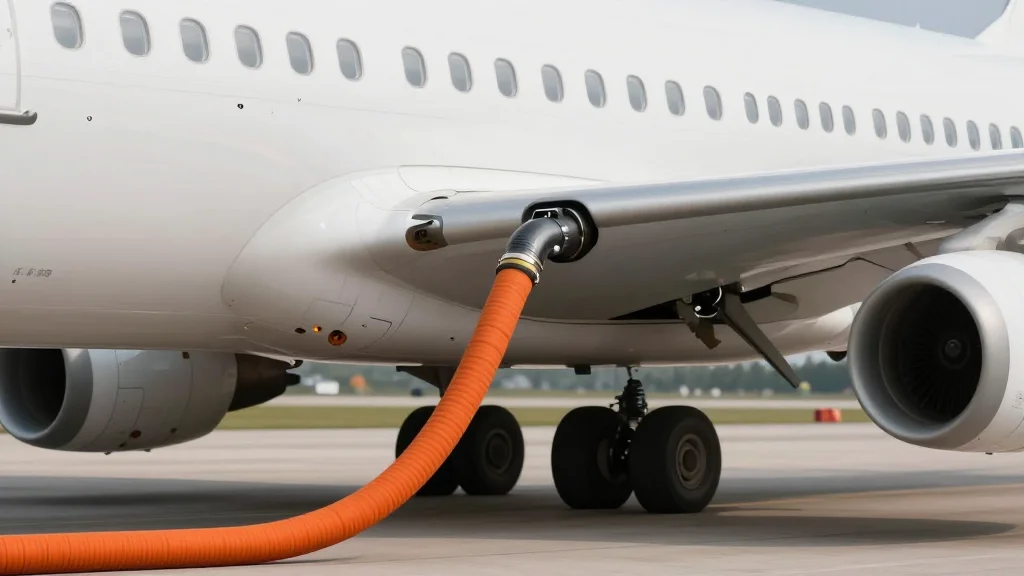
UK Airlines Cite Jet Fuel Shortage, Warn of Summer Flight Cancellations

Companies Mentioned
Why It Matters
The jet‑fuel shortage directly threatens the revenue streams of Europe’s largest airline stocks, many of which are key components of major indices like the Euro Stoxx 50. A prolonged supply crunch could force airlines to reduce capacity, delay fleet upgrades, and increase ticket prices, all of which would weigh on earnings and investor sentiment. Moreover, the episode highlights systemic vulnerabilities in Europe’s energy‑logistics chain, prompting regulators and investors to reassess risk models for sectors reliant on imported refined products. For airport operators and ancillary service providers, the crisis presents a mixed picture. While larger hubs with pipeline access may see limited disruption, smaller regional airports could experience reduced traffic and lower ancillary revenues. The divergence in impact is likely to sharpen the performance gap between diversified conglomerates and niche carriers, reshaping portfolio allocations within the Euro‑stock universe.
Key Takeaways
- •Transavia, Ryanair and Volotea cancel May‑June flights citing jet‑fuel shortages.
- •UK imports 60% of its kerosene from the Middle East, leaving airlines exposed.
- •Government says the UK holds roughly two million barrels of strategic jet‑fuel stock.
- •Airline stocks on European exchanges fell 2‑3% after the announcements.
- •ADP’s pipeline links give Paris airports a buffer, boosting its share price.
Pulse Analysis
The jet‑fuel shortage is a reminder that Europe’s aviation sector remains heavily dependent on external supply chains, a risk that has been downplayed in recent years as airlines pursued cost‑cutting and expansion strategies. Historically, fuel price spikes have been the single largest variable in airline profitability, and this time the issue is not just price but absolute availability. The current geopolitical tension in the Strait of Hormuz adds a layer of uncertainty that traditional hedging strategies may not fully mitigate.
From an investment standpoint, the crisis could accelerate a shift toward carriers with stronger balance sheets and diversified fuel sourcing, such as those integrated with larger groups that have access to multiple refineries or own stakes in fuel logistics. Smaller, low‑cost carriers may face tighter margins, prompting a possible consolidation wave. Meanwhile, airport operators with direct pipeline connections, like ADP, could become more attractive defensive plays, as they are less likely to see traffic erosion.
In the longer term, the episode may spur policy makers to prioritize strategic fuel reserves and encourage the development of alternative fuels. Investors should watch for any regulatory announcements on reserve requirements or incentives for sustainable aviation fuel, which could reshape the competitive landscape and open new growth avenues for firms positioned at the intersection of energy and transport.
UK Airlines Cite Jet Fuel Shortage, Warn of Summer Flight Cancellations
Comments
Want to join the conversation?
Loading comments...