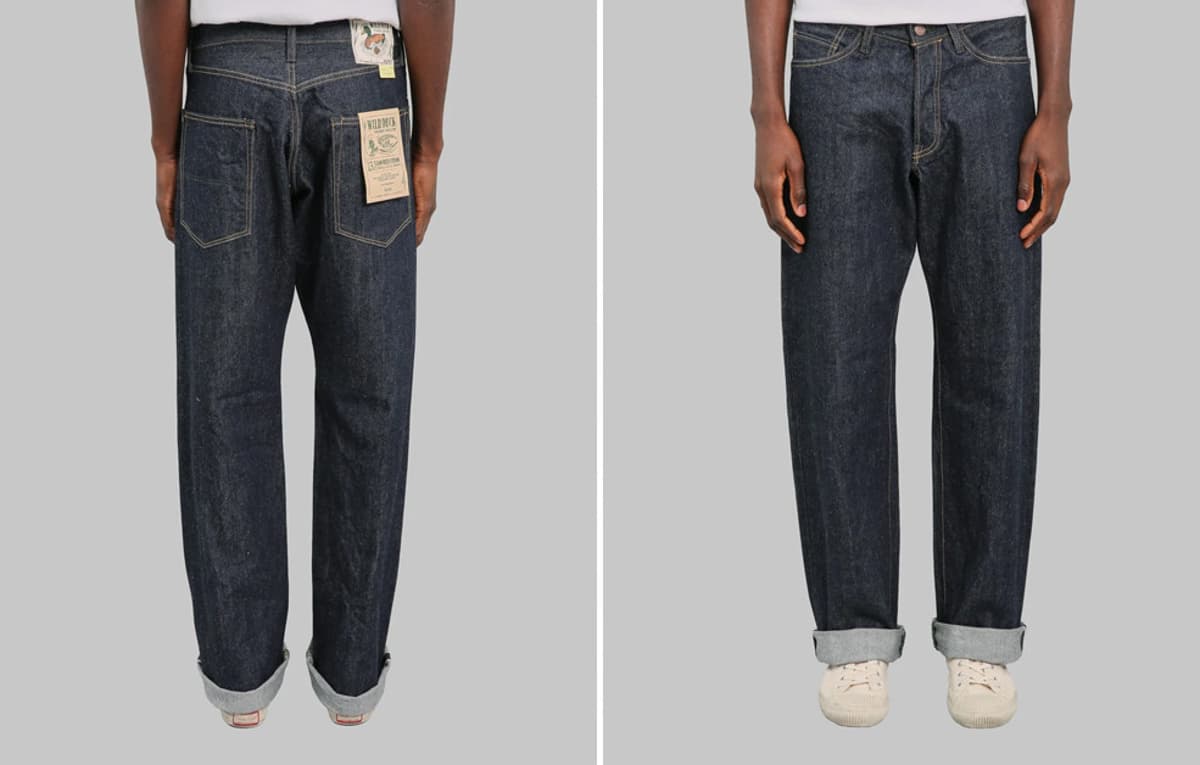
Big John’s M1011RC Wild Duck Jeans Contain Reed Fibers From Lake Kojima
•March 4, 2026
0
Key Takeaways
- •Reed fibers replace 6% of traditional cotton
- •Lake Kojima reeds harvested annually to reduce pollution
- •Green selvedge, bar tacks, and buttonholes emphasize eco‑theme
- •13.5 oz selvedge denim offers vintage wide‑straight fit
- •Priced at $382, targeting premium sustainable fashion market
Summary
Big John’s M1011RC Wild Duck jeans blend 94% cotton with 6% recycled reed fibers harvested from Lake Kojima, creating a 13.5 oz selvedge denim with a distinctive green "Midori Mimi" selvedge. The reeds are removed annually to curb lake pollution, and the fabric’s green bar tacks, buttonholes, and duck‑camo pockets reinforce the eco‑centric design. Made in Japan with a vintage wide‑straight silhouette, the jeans receive a single wash to limit shrinkage and ship with a pocket flasher highlighting their origin. They retail for $382 through Redcast Heritage.
Pulse Analysis
Japanese denim has long been synonymous with meticulous craftsmanship and enduring quality, but the industry now faces mounting pressure to embed sustainability into its core processes. Brands are exploring alternatives to pure cotton, which consumes vast water and pesticide resources, by integrating recycled or bio‑based fibers. In this context, Big John’s introduction of reed‑infused denim marks a notable evolution: a material traditionally regarded as waste is transformed into a functional component of premium apparel, aligning heritage techniques with modern environmental expectations.
The reed fibers sourced from Okayama’s Lake Kojima are harvested once a year, a practice that helps mitigate eutrophication and preserves the lake’s ecosystem. By blending 6% of these fibers with 94% high‑grade cotton, the resulting yarn retains the tensile strength and drape prized by denim connoisseurs while adding a subtle texture and resilience unique to the plant material. The green‑tinted selvedge, dubbed "Midori Mimi," along with matching bar tacks and buttonholes, serves as a visual cue of the jeans’ sustainable lineage, turning environmental stewardship into a tangible design element rather than a marketing footnote.
From a market perspective, the $382 price point positions the Wild Duck jeans within the premium segment, appealing to consumers willing to invest in responsibly sourced luxury. The single‑wash approach reduces water usage and energy consumption, further enhancing the product’s eco‑profile. As retailers and shoppers increasingly prioritize circularity, innovations like reed‑fiber denim could set new standards for material sourcing, encouraging other manufacturers to seek out local, underutilized biomass for textile applications. This shift not only diversifies supply chains but also reinforces the narrative that high‑fashion and sustainability can coexist without compromising performance or style.
Comments
Want to join the conversation?