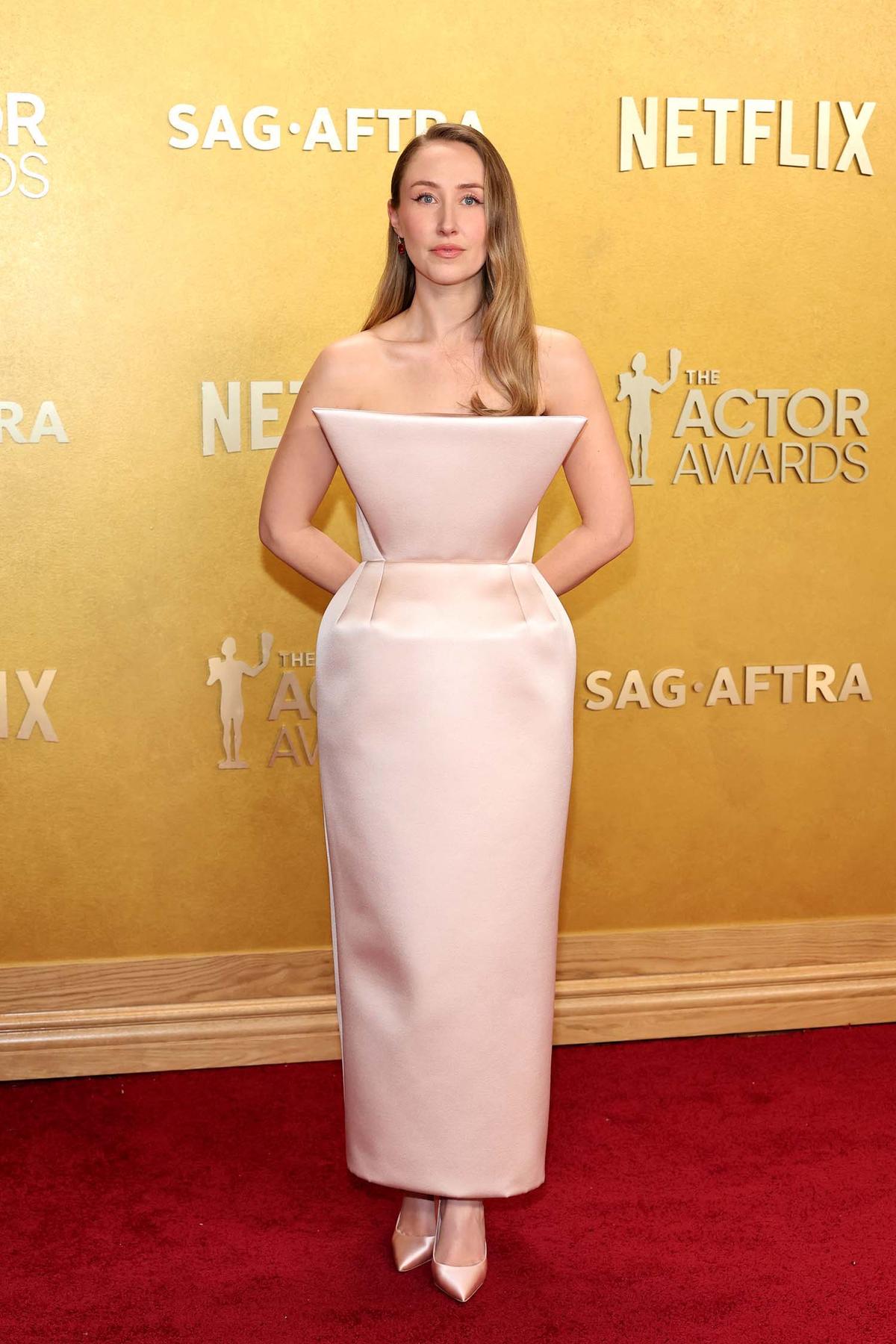
Fug Nation’s Worst Dressed of the 2026 Actor Awards
•March 6, 2026
0
Key Takeaways
- •Red carpet fashion influences celebrity brand perception
- •Worst‑dressed lists drive social media engagement spikes
- •Fug Nation’s humor highlights industry’s fashion fatigue
- •Excluding Meg Stalter underscores authenticity expectations
Summary
Fug Nation released its annual "Worst Dressed" roundup for the 2026 Actor Awards, highlighting outfits that missed the mark according to audience feedback. The list excludes Meg Stalter after her controversial attempt to mimic a 1996 Donatella Versace look, which the editors deemed inauthentic. The piece blends humor with fashion critique, aiming to spark conversation about red‑carpet standards. It reflects the growing appetite for candid, fan‑driven commentary on celebrity style choices.
Pulse Analysis
Red‑carpet events have long served as high‑visibility platforms where designers, sponsors, and celebrities converge to showcase style narratives. When an outfit falls short, it becomes fodder for media outlets and fans alike, spawning "worst‑dressed" lists that can reshape a star’s public image. These rankings not only generate clicks but also affect brand equity, as designers assess the risk‑reward balance of aligning with high‑profile personalities whose sartorial choices may attract criticism.
Fug Nation’s latest roundup leverages its distinct blend of satire and community input, turning a traditional fashion critique into an interactive experience. By inviting readers to vote and comment, the outlet amplifies engagement metrics while positioning itself as a cultural barometer for fashion fatigue. The decision to disqualify Meg Stalter—citing a lack of genuine homage to Donatella Versace—underscores a broader demand for authenticity, signaling that audiences value originality over forced nostalgia.
Looking ahead, brands and stylists will likely monitor such grassroots verdicts to gauge consumer sentiment in real time. As worst‑dressed lists continue to drive viral conversations, they may prompt more strategic wardrobe planning, with a heightened focus on aligning celebrity image with brand values. Ultimately, the interplay between humor‑driven commentary and fashion credibility reshapes how the entertainment industry approaches red‑carpet risk management.
Comments
Want to join the conversation?