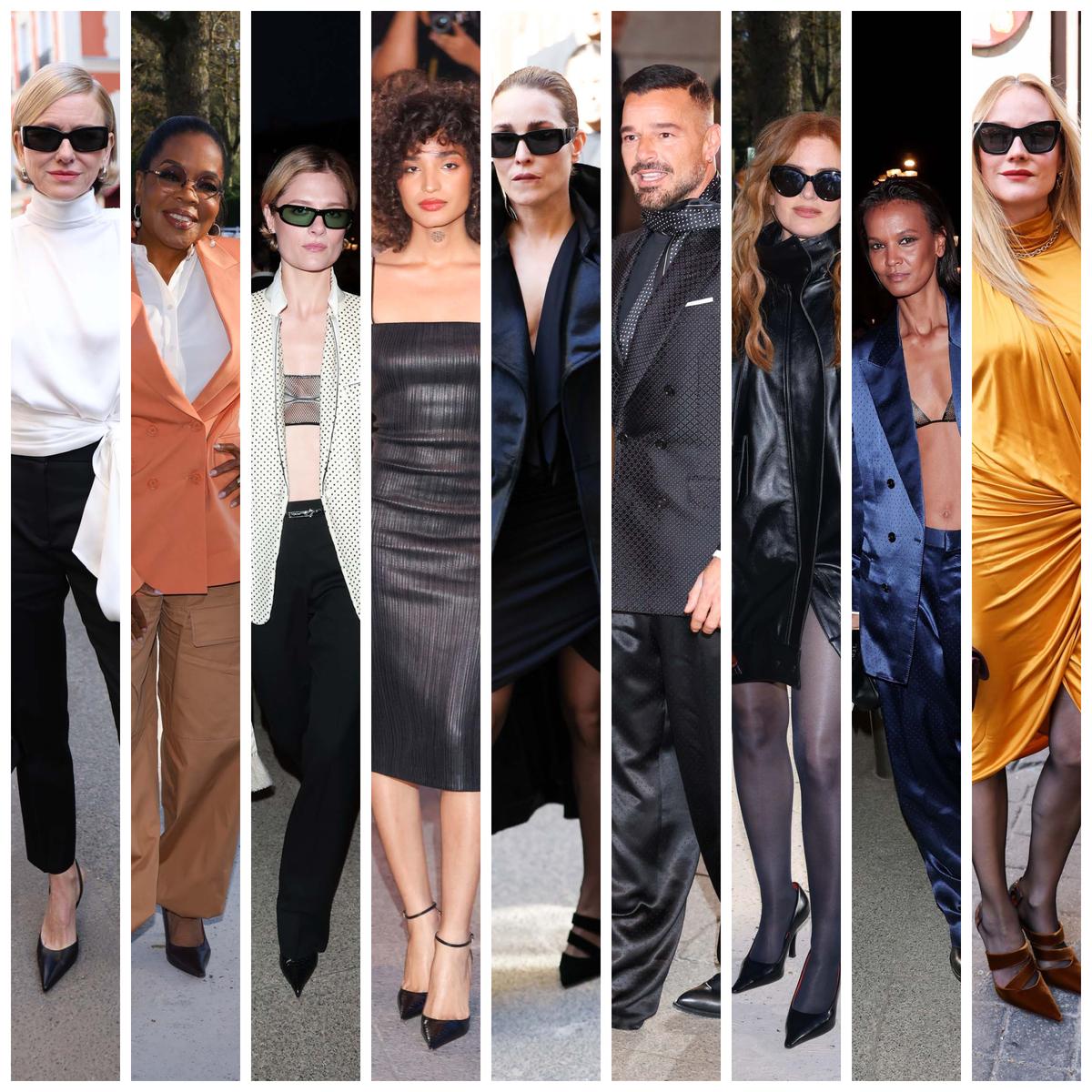
Let’s Check Out the Front Rows From Tom Ford, Stella McCartney, and Balmain
•March 6, 2026
0
Key Takeaways
- •Tom Ford showcased sleek tailoring, attracting A-list actors
- •Stella McCartney highlighted sustainability, backed by celebrity fans
- •Balmain delivered bold colors, igniting viral Instagram moments
- •Front‑row star power drives luxury brands' online traffic
- •Celeb attendance signals market relevance for upcoming seasons
Summary
Over the past weekend, the front rows of Tom Ford, Stella McCartney and Balmain runway shows were packed with high‑profile celebrities, turning the shows into cultural moments as much as fashion showcases. Tom Ford’s sleek tailoring attracted a slew of A‑list actors, while Stella McCartney emphasized sustainable design under the watchful eyes of eco‑conscious stars. Balmain delivered bold, colour‑driven looks that instantly trended on social platforms. The celebrity presence amplified media coverage and generated significant digital buzz for each house.
Pulse Analysis
Fashion weeks have evolved from pure runway spectacles to media events where celebrity front rows act as live billboards for luxury brands. When A‑list actors sit beside designers at Tom Ford, the runway’s aesthetic instantly gains mainstream relevance, prompting instant social media spikes and heightened press interest. This star power not only validates the creative direction but also fuels immediate consumer curiosity, prompting retailers to adjust inventory forecasts based on the buzz generated by those high‑visibility seats.
Stella McCartney’s recent show underscored the growing intersection of sustainability and high fashion, a narrative amplified by environmentally‑focused celebrities. Their endorsement signals to affluent shoppers that eco‑friendly luxury is both desirable and attainable, encouraging other houses to integrate greener practices. The resulting coverage extends beyond traditional fashion press, reaching sustainability forums and lifestyle platforms, thereby expanding the brand’s audience and reinforcing its position as a pioneer in responsible design.
The digital ripple effect of these front‑row moments is measurable: Instagram reels, TikTok clips, and live‑stream comments translate into millions of impressions within hours. Brands now track front‑row engagement as a KPI, linking celebrity attendance to online traffic, e‑commerce conversion rates, and future season pre‑orders. As luxury houses continue to leverage star power, the front row will remain a strategic asset, shaping not only runway narratives but also the data‑driven marketing strategies that define modern fashion commerce.
Comments
Want to join the conversation?