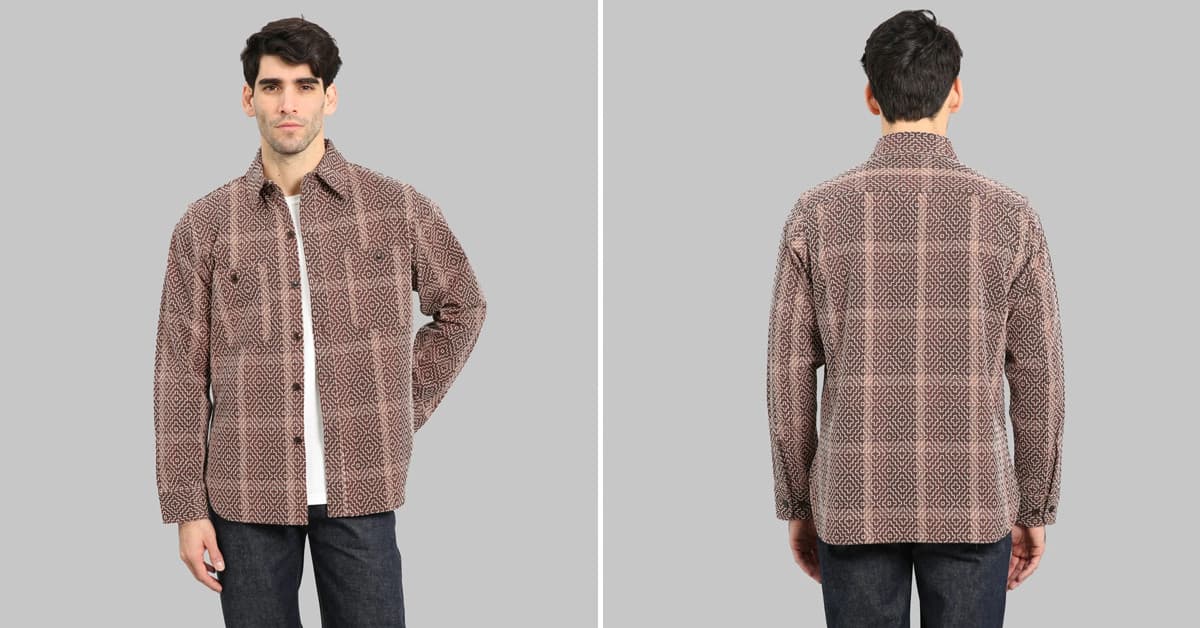
Persimmon Presence: Studio D’Artisan’s Kakishibu Noragi Sashiko Shirt
Key Takeaways
- •Kakishibu dye sourced from persimmon tannins
- •Three‑shade layering creates unique check pattern
- •Sashiko stitching reinforces and decorates garment
- •Kaki‑no‑ha motif ties design to dye source
- •Premium price reflects demand for artisanal apparel
Pulse Analysis
Japanese textile traditions are experiencing a renaissance among global consumers, and Studio D’Artisan sits at the forefront of this movement. By employing kakishibu—a dye extracted from persimmon skins—the brand taps into a centuries‑old, low‑impact coloring method that yields deep, earthy tones and naturally softens with wear. This eco‑friendly approach aligns with rising sustainability standards, offering an alternative to synthetic dyes that often involve hazardous chemicals and significant water usage.
The integration of sashiko stitching adds both functional durability and visual intrigue. Historically a repair technique for rural workwear, sashiko’s repetitive, hand‑stitched patterns now serve as a design statement that appeals to the modern consumer’s desire for authenticity. The “Kaki‑no‑ha” motif, echoing persimmon leaves, creates a narrative loop that connects the garment’s material, dye, and aesthetic, enhancing its storytelling value—a key driver in today’s experience‑focused retail environment.
From a market perspective, the $308 price point positions the shirt within the premium niche of heritage‑inspired apparel, where shoppers are willing to invest in pieces that offer longevity, craftsmanship, and cultural resonance. As Western brands increasingly look to Japanese techniques for differentiation, products like the Kakishibu Noragi Sashiko Shirt illustrate how traditional methods can be leveraged to command higher margins while meeting the demand for responsibly made, distinctive fashion.
Persimmon Presence: Studio D’Artisan’s Kakishibu Noragi Sashiko Shirt
Comments
Want to join the conversation?