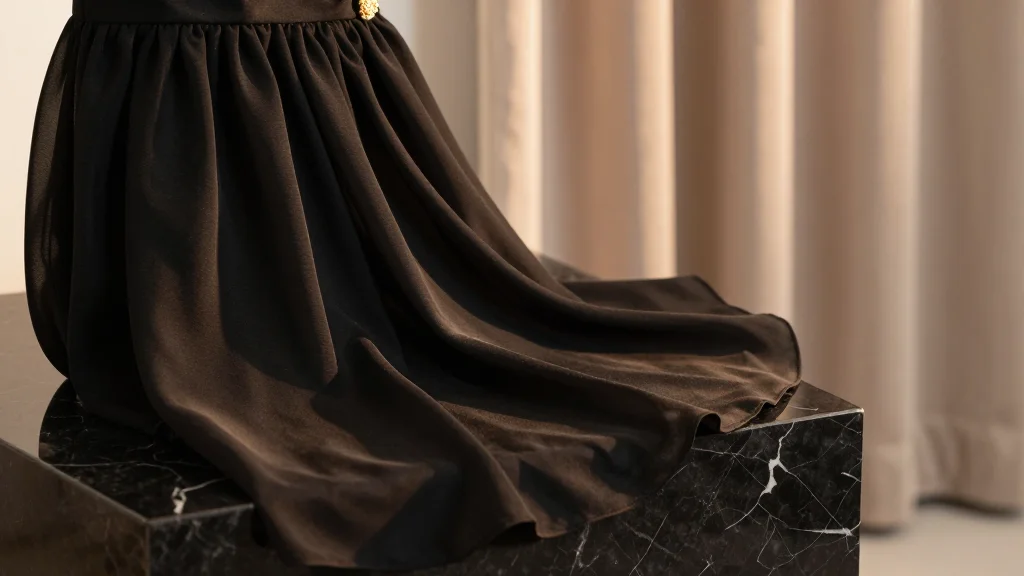
100 Years Later, the ‘Little Black Dress’ Still Rules Fashion
Companies Mentioned
Why It Matters
The LBD remains a core revenue driver for luxury houses and a cultural barometer, influencing consumer expectations of versatility and timelessness in fashion. Its persistent appeal underscores how heritage pieces can be reinvented to sustain brand relevance in a fast‑changing market.
Key Takeaways
- •Chanel introduced the LBD in 1926, branding it “Chanel’s Ford”.
- •Black dress became a versatile uniform across classes and eras.
- •Icons like Hepburn, Diana, and Hurley redefined the LBD’s meaning.
- •Chanel’s 2024 Cruise show modernizes the LBD for today’s consumers.
Pulse Analysis
The little black dress originated in 1926 when Coco Chanel placed a minimalist, calf‑length design in American Vogue, positioning it as an affordable, democratic alternative to elaborate couture. By labeling it “Chanel’s Ford,” she signaled that elegance could be mass‑produced, a concept that resonated as women gained economic independence and voting rights. This early democratization set the stage for the LBD to become a staple in wardrobes worldwide, transcending socioeconomic boundaries.
Beyond its practical origins, the LBD evolved into a cultural symbol. Black’s historical ties to mourning, power, and rebellion allowed designers and wearers to imbue the dress with varied meanings—from the somber elegance of Queen Victoria’s mourning attire to the flapper’s defiant short hemlines of the 1920s. Iconic moments—Audrey Hepburn’s sleek silhouette in "Breakfast at Tiffany’s," Princess Diana’s off‑the‑shoulder “revenge dress,” and Elizabeth Hurley’s safety‑pin ensemble—demonstrated the dress’s capacity to convey restraint, protest, or sensuality, reinforcing its status as a canvas for personal narrative.
Chanel’s recent Cruise collection, staged in the seaside town of Biarritz, re‑examined the LBD through Matthieu Blazy’s contemporary lens. By integrating modern fabrics, subtle tailoring tweaks, and a refreshed color palette, the house proved that heritage can coexist with innovation. This strategic refresh not only reaffirms Chanel’s commitment to its iconic DNA but also signals to the luxury market that timeless pieces can be profitably revitalized, catering to a new generation seeking both heritage credibility and contemporary relevance.
100 Years Later, the ‘Little Black Dress’ Still Rules Fashion
Comments
Want to join the conversation?
Loading comments...