Why It Matters
The rise of these independent labels diversifies Milan’s luxury ecosystem, attracting buyers seeking authenticity and sustainability, while challenging the dominance of traditional heritage houses.
Key Takeaways
- •Indie Milan designers use deadstock, reclaimed fabrics, limited runs.
- •Brands like Setchu and GR10K win LVMH and CNMI grants.
- •Social and cultural narratives drive collections beyond traditional luxury.
- •Emerging labels gain traction at Dover Street Market and Pitti Uomo.
- •Sustainable production models attract eco‑conscious buyers worldwide.
Pulse Analysis
The Italian fashion narrative has long been dominated by heritage houses that parade centuries‑old craftsmanship on Via Montenapoleone. Yet a quieter revolution is reshaping Milan’s ecosystem: a cohort of young designers operating from modest studios in Bologna, Biella, and the outskirts of the city. They reject the scale‑first mentality, opting instead for limited‑edition pieces crafted from deadstock, reclaimed yarns, and even military‑grade technical fabrics. This shift reflects a broader industry move toward circularity and authenticity, positioning sustainability as a design imperative rather than a marketing add‑on.
Among the most compelling names are Andrea Grossi, whose material‑intelligent denim interrogates garment meaning, and Seekînamour, a Biella‑based label that fuses Arabic concepts of inner peace with Italian textile heritage. Setchu, founded by Japanese‑trained Satoshi Kuwata, captured the LVMH Prize and opened a multifunctional Milan showroom, while GR10K repurposes firefighter‑grade and bullet‑proof fabrics into avant‑garde streetwear. Brands such as Cavia and Iuter demonstrate how upcycling vintage textiles and maintaining a skate‑rooted identity can coexist with high‑fashion credibility, earning spots at Dover Street Market and Pitti Uomo.
The emergence of these indie houses signals a diversification of Milan’s market appeal, attracting buyers who value narrative depth and ecological stewardship. As global retailers and luxury conglomerates scout for fresh talent, the success of grant programs like the LVMH Prize and CNMI Fashion Trust underscores institutional support for this new wave. For the broader industry, the rise of such brands challenges the dominance of legacy houses, suggesting that future growth may hinge on localized production, cultural hybridity, and a willingness to blur the lines between art, craft, and commerce.
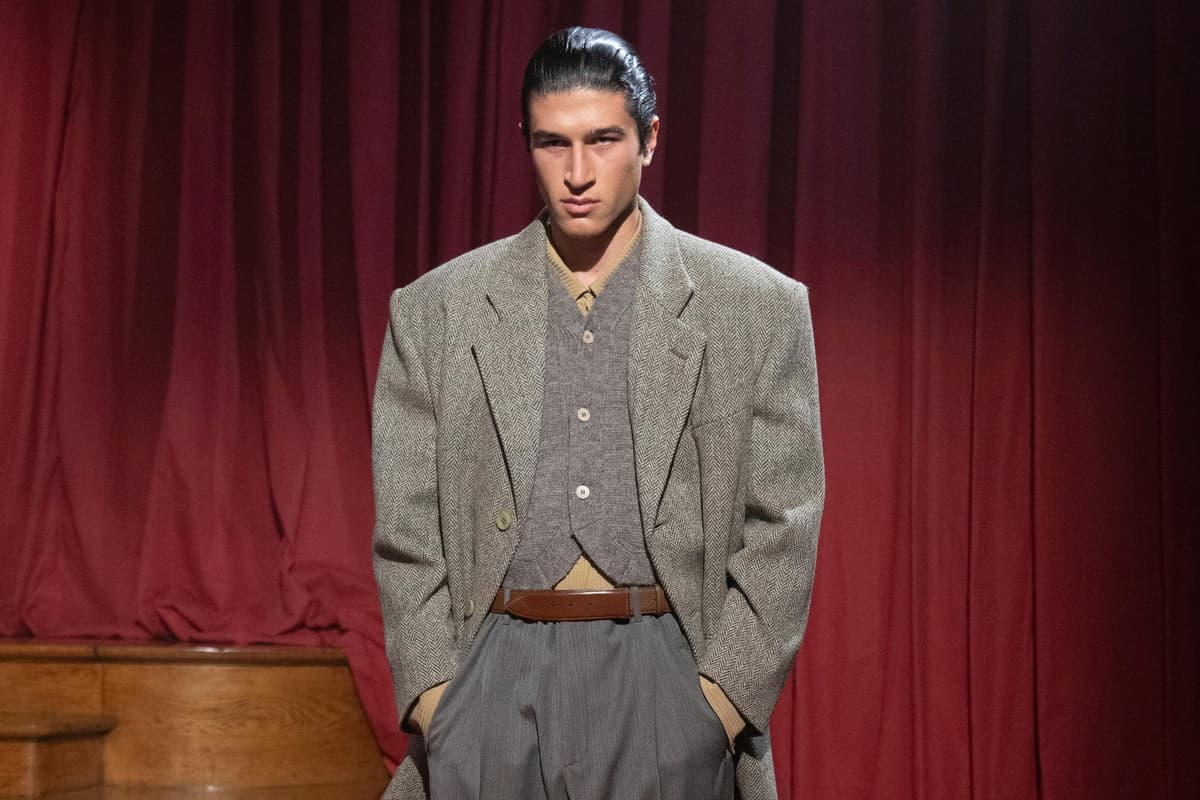
12 Milan Brands We Love
Comments
Want to join the conversation?
Loading comments...