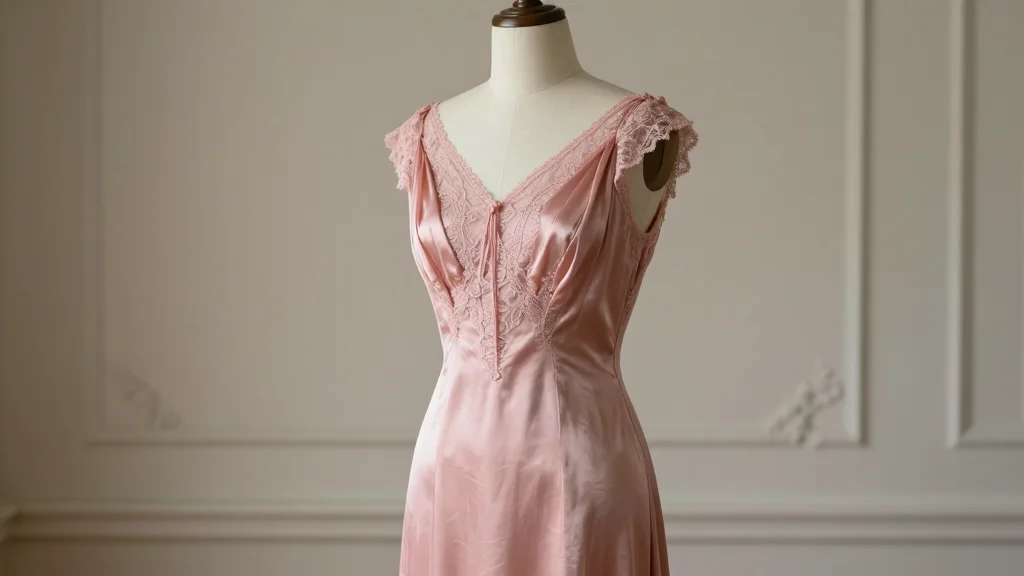
1910 Georges Doeuillet Gown to Debut at Fabyan Villa Museum in Geneva

Why It Matters
The public unveiling of the 1910 Georges Doeuillet gown underscores the growing recognition of fashion as a vital historical artifact, not merely a commercial product. By situating the dress within a museum context, the Fabyan Villa Museum bridges the gap between academic fashion history and community engagement, offering scholars a rare primary source for studying early 20th‑century design trends and social customs. Moreover, the exhibition highlights the importance of preserving and displaying historic garments that have long been confined to private collections. As more institutions prioritize fashion heritage, the industry may see increased funding for conservation, digitization, and interdisciplinary research, ultimately enriching the cultural narrative surrounding clothing and identity.
Key Takeaways
- •Fabyan Villa Museum to preview Georges Doeuillet’s 1910 rose‑pink gown on April 18
- •Dress will enter permanent public display on May 2, the only public viewing worldwide
- •Gown features silk, satin, tulle, metallic thread embroidery, gold lace, and handmade rosettes
- •Doeuillet is credited with creating the first cocktail dress, marking a shift in women’s evening wear
- •Exhibit aims to connect local history with global fashion heritage and inspire future museum acquisitions
Pulse Analysis
The Fabyan Villa’s decision to showcase the Doeuillet gown reflects a strategic pivot toward leveraging fashion artifacts as cultural capital. Historically, regional museums have focused on local art, industry, or natural history; integrating high‑fashion pieces signals an acknowledgment that clothing can serve as a lens into socioeconomic change, gender norms, and transnational exchange. This move may encourage other mid‑size institutions to audit their own collections for overlooked fashion items, potentially unlocking new donor interest and grant opportunities tied to preservation of textile heritage.
From a market perspective, the heightened visibility of a century‑old couture piece could stimulate demand for comparable historic garments, influencing auction houses and private collectors to re‑evaluate the value of early 20th‑century French fashion. While the Doeuillet gown itself is not for sale, its exhibition may catalyze a ripple effect, prompting museums to negotiate loans or acquisitions of similar works, thereby reshaping the supply chain of historic fashion.
Looking ahead, the Fabyan Villa’s exhibition could serve as a case study for integrating fashion into broader narratives of American cultural history. By tracing the gown’s journey from Paris to a Midwestern estate, the museum illustrates how global fashion trends permeated American society well before the era of mass media. If successful, the exhibit may inspire collaborative programming with fashion schools, designers, and digital platforms, fostering a new generation of scholars and creators who view historic garments not as static relics but as active participants in contemporary design discourse.
1910 Georges Doeuillet Gown to Debut at Fabyan Villa Museum in Geneva
Comments
Want to join the conversation?
Loading comments...