40 Years on, the Antwerp Six Designers Are Still Making Noise
Companies Mentioned
Why It Matters
The retrospective underscores how a small cohort can redefine global fashion, offering a blueprint for nurturing independent talent in an industry now dominated by conglomerates.
Key Takeaways
- •MoMu opens 40‑year Antwerp Six retrospective.
- •Exhibition features archival artifacts and immersive installations.
- •Marina Yee’s brand rebooted before her 2025 passing.
- •Curator emphasizes collaborative future for fashion talent.
- •Walter Van Beirendonck’s work tackles queer and health themes.
Pulse Analysis
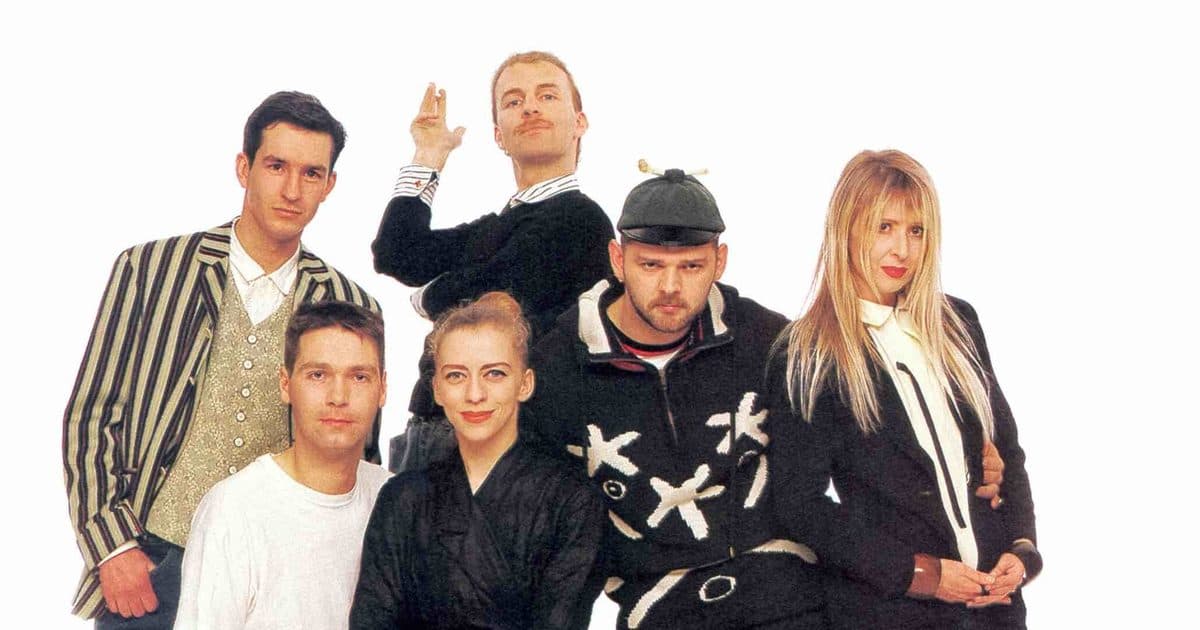
The Antwerp Six—Walter Van Beirendonck, Marina Yee, Ann Demeulemeester, Dirk Van Saene, Dries Van Noten and Dirk Bikkembergs—burst onto the scene in the early 1980s, turning the Royal Academy of Fine Arts Antwerp into a crucible of avant‑garde design. Their 1986 guerrilla show in London, followed by a Barneys order for Van Noten, signaled a shift from regional craft to global runway relevance. Over four decades, each designer cultivated a distinct aesthetic while collectively proving that bold, independent visions could thrive outside the dominant fashion houses.
MoMu’s 2026 exhibition translates that legacy into a multisensory narrative. Curator Kaat Debo assembled chronological timelines, original sketches, and quirky artifacts—yoghurt‑lid invitations, sport‑infused Bikkembergs archives, and a robot‑hosted dialogue with Van Beirendonck—to illustrate the group’s experimental ethos. The installation dedicated to Marina Yee, recreated as her Antwerp atelier, feels especially poignant after her recent death, highlighting her oscillation between art and fashion and her 2018 brand revival. Music playlists curated by the designers and collaborations with 2manydjs deepen the immersive experience, positioning the show as both historical record and contemporary cultural event.
Beyond nostalgia, the exhibition raises urgent questions for today’s fashion landscape. As Debo notes, the Antwerp Six succeeded when independent practice could exist outside entrenched systems—a reality now challenged by mega‑conglomerates and fast‑fashion pressures. Their story encourages emerging designers to seek collaborative networks, leverage archival storytelling, and address social issues—evident in Van Beirendonck’s early queer and health narratives. By revisiting this seminal cohort, the museum not only celebrates past innovation but also offers a strategic template for cultivating resilient, forward‑thinking talent in a rapidly evolving industry.
40 years on, the Antwerp Six designers are still making noise
Comments
Want to join the conversation?
Loading comments...