Adidas Clearly Knows the Superstar’s Simplicity Still Turns Heads
Companies Mentioned
Why It Matters
The drop underscores adidas’s reliance on limited‑edition collaborations to sustain hype and drive premium sales in a saturated sneaker market.
Key Takeaways
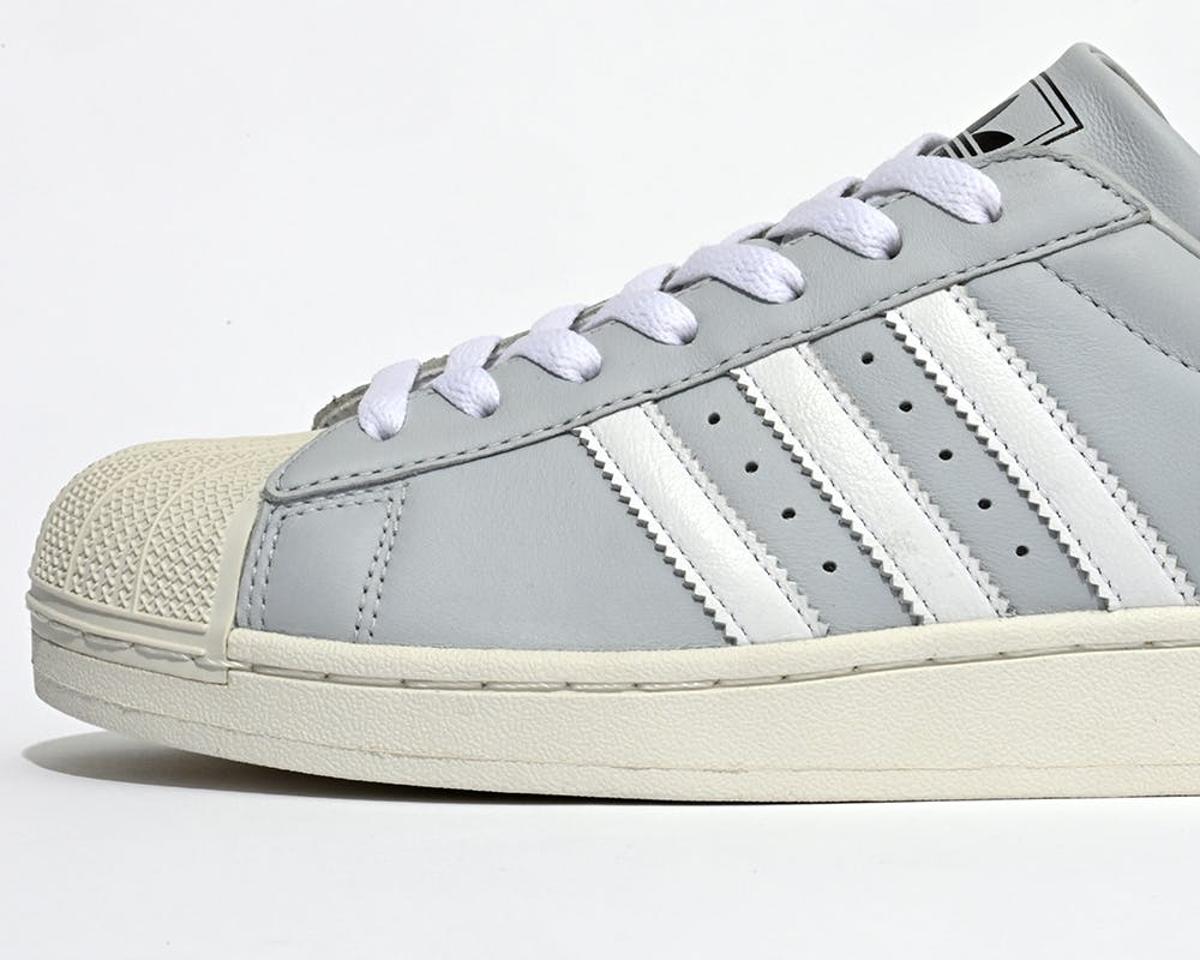
- •Safari adidas Superstar II blends gray‑blue leather with beige detailing.
- •Collaboration revives adidas’s partnership with Japanese magazine Safari.
- •Previous Safari‑SL72 release sold out, indicating strong consumer demand.
- •Limited‑edition drop aims to boost adidas’s premium sneaker revenue.
Pulse Analysis
The adidas Superstar, first released in 1969 as a basketball shoe, has become a cultural touchstone, recognized for its shell toe and clean silhouette. Over five decades the model has been reinterpreted through colorways, materials and high‑profile collaborations, keeping it relevant across streetwear, music and fashion circles. The latest Safari adidas Superstar II continues this tradition, swapping the classic white leather for a muted gray‑blue palette accented with beige. The subtle hue shift respects the shoe’s minimalist DNA while offering a fresh visual cue that appeals to both longtime fans and new collectors.
Partnering with Japan’s lifestyle magazine Safari signals adidas’s strategic focus on niche media that command credibility among trend‑savvy consumers. Safari’s editorial voice, rooted in urban culture and contemporary design, aligns with the brand’s desire to infuse authenticity into limited releases. The collaboration builds on the momentum of the Safari‑supervised SL72, which sold out within hours of launch, proving the market’s appetite for curated drops. By leveraging Safari’s audience and the magazine’s aesthetic, adidas creates a narrative that extends beyond the product, turning the sneaker into a cultural artifact.
The Safari Superstar II illustrates how adidas uses scarcity and storytelling to command premium pricing in a crowded sneaker landscape. Limited‑edition releases generate buzz on social platforms, drive traffic to brand‑owned e‑commerce, and often sell out faster than regular inventory, boosting sell‑through rates and margins. For retailers, the hype translates into higher footfall and ancillary sales of apparel that complements the shoe. As consumers increasingly seek exclusivity, adidas’s collaboration model—pairing iconic silhouettes with curated partners—positions the company to capture discretionary spend while reinforcing its heritage credibility.
adidas Clearly Knows the Superstar’s Simplicity Still Turns Heads
Comments
Want to join the conversation?
Loading comments...