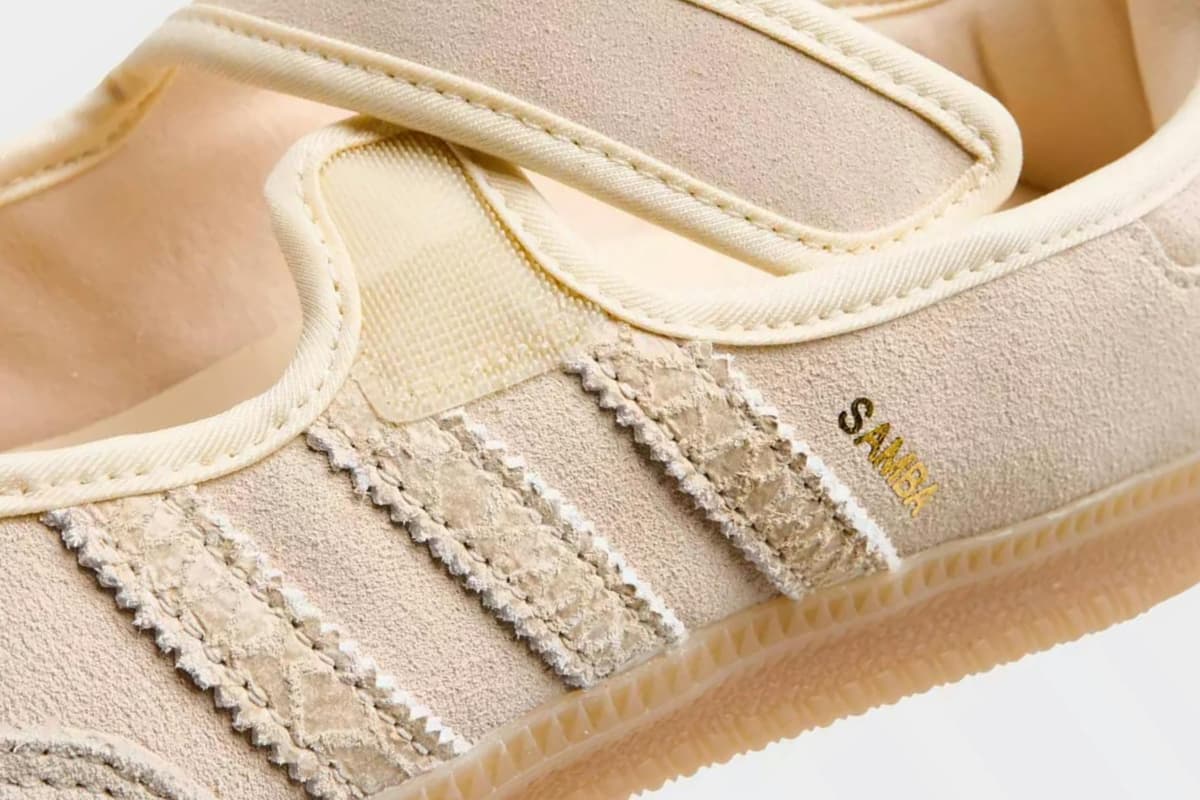
Adidas' Suede Mary Jane Sneakers Aren't Just Cute — They're Suave AF
Companies Mentioned
Why It Matters
The launch illustrates adidas' use of material innovation to rejuvenate legacy products, driving higher margins and appealing to fashion‑forward consumers. It also signals the expanding demand for versatile, premium‑styled sneakers within the athleisure market.
Key Takeaways
- •Suede Samba Jane priced at $110, limited stock.
- •All‑suede build adds velvety texture and distressed stripes.
- •Part of adidas' material‑experiment series on heritage models.
- •Targeted for both fall and summer, broad seasonal appeal.
- •Available via Finish Line, some sizes already sold out.
Pulse Analysis
adidas continues to lean into its rich sneaker heritage by reimagining classic silhouettes with contemporary materials. The suede Samba Jane is the latest in a series of experiments that include satin and full‑leather iterations, each aimed at injecting fresh visual interest while preserving the iconic silhouette. This approach taps into a broader industry trend where legacy brands repurpose archival designs, using premium textures to attract both longtime fans and new, style‑savvy shoppers seeking a blend of nostalgia and novelty.
The $110 price point positions the suede Samba Jane at the sweet spot between mass‑market sneakers and higher‑end fashion footwear. Consumers increasingly value tactile experiences—such as the velvety feel of suede—and are willing to pay a modest premium for limited‑run drops that promise exclusivity. Retail partners like Finish Line benefit from the hype, leveraging scarcity to drive traffic and upsell complementary apparel. Moreover, the seasonal versatility of the "Sand Strata" palette expands its appeal, allowing the shoe to transition from summer streetwear to fall layering without sacrificing relevance.
Looking ahead, adidas' material‑focused roadmap hints at even bolder experiments, with whispers of snakeskin finishes echoing the brand's recent Tokyo MJ release. Competitors are likely to follow suit, intensifying the race for innovative fabric applications in heritage models. For investors and industry watchers, these moves underscore a strategic shift: heritage brands are no longer solely relying on brand equity but are actively engineering product differentiation through texture, limited availability, and cross‑seasonal design, all of which can translate into stronger top‑line performance.
adidas' Suede Mary Jane Sneakers Aren't Just Cute — They're Suave AF
Comments
Want to join the conversation?
Loading comments...