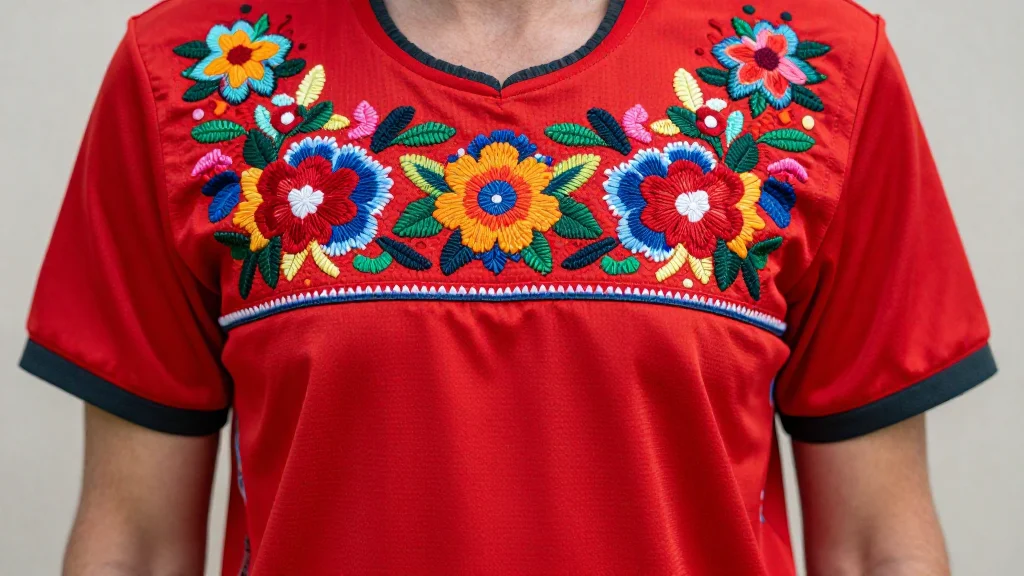
Adidas Teams with Mexican Indigenous Artisans for First Embroidered National Team Jersey

Companies Mentioned
Why It Matters
The partnership bridges high‑performance sportswear and indigenous craft, offering a template for how global brands can integrate cultural heritage into product design while delivering economic opportunities to marginalized communities. By foregrounding the artisans through personalized tags and digital profiles, the project challenges conventional supply‑chain opacity and sets a precedent for inclusive, traceable fashion. Moreover, the initiative aligns with growing consumer demand for authenticity and sustainability. As shoppers increasingly seek products with a story, collaborations like this can differentiate brands in a crowded market, potentially reshaping how heritage techniques are valued and compensated in the fashion industry.
Key Takeaways
- •Adidas and Someone Somewhere released a limited-edition Mexico national team jersey embroidered by 150 Puebla artisans.
- •The collaboration produced over 100,000 hand‑stitched details across jerseys and a full apparel line.
- •Each piece includes a QR‑coded tag linking to the individual artisan’s profile.
- •Antonio Nuño highlighted the creation of more than 165,000 hours of inclusive work for Indigenous women.
- •The garments have been added to the Adidas archive in Germany, signaling long‑term brand commitment.
Pulse Analysis
Adidas’s move reflects a broader industry trend where heritage craftsmanship is leveraged to enhance brand equity and meet sustainability goals. Historically, luxury houses have turned to artisanal techniques to justify premium pricing; now, a sportswear giant is applying the same logic to a mass‑market segment, suggesting a democratization of heritage value.
The collaboration also illustrates a strategic response to criticism over fast‑fashion labor practices. By foregrounding transparent, maker‑centric narratives, Adidas can mitigate reputational risk while tapping into the growing market for ethically produced goods. However, scaling such labor‑intensive methods remains a challenge. Replicating the model for larger product lines could require significant investment in training and supply‑chain redesign, potentially limiting its immediate profitability.
Looking ahead, the success of this project could inspire similar partnerships across other sports and fashion categories, especially as brands seek to differentiate themselves in an increasingly saturated market. If consumers respond positively, we may see a wave of limited‑edition, culturally rooted collections that blend performance, storytelling, and social impact, reshaping the competitive dynamics of both the sportswear and luxury sectors.
Adidas Teams with Mexican Indigenous Artisans for First Embroidered National Team Jersey
Comments
Want to join the conversation?
Loading comments...