Why It Matters
A confirmed drop would leverage two powerful nostalgia engines—Space Jam and galaxy sneakers—driving demand, resale premiums, and brand relevance in a competitive footwear market.
Key Takeaways
- •No official confirmation; remains fan concept.
- •Combines iconic Space Jam palette with galaxy aesthetics.
- •Potential release could boost Jordan Brand hype in 2026.
- •Nostalgia drives resale market demand for such collaborations.
- •Cosmic design aligns with early 2010s galaxy sneaker trend.
Pulse Analysis
The Air Jordan 11 has long been a cultural touchstone, thanks to Michael Jordan’s cameo in the 1996 film "Space Jam" and the shoe’s sleek patent‑leather silhouette. The original Space Jam edition, with its black upper, white midsole, and icy‑blue outsole, quickly became a collector’s item, cementing the model’s status as a must‑have for both athletes and fashion‑forward consumers. This legacy provides a fertile backdrop for any new reinterpretation, as the sneaker’s heritage already commands premium pricing and media attention.
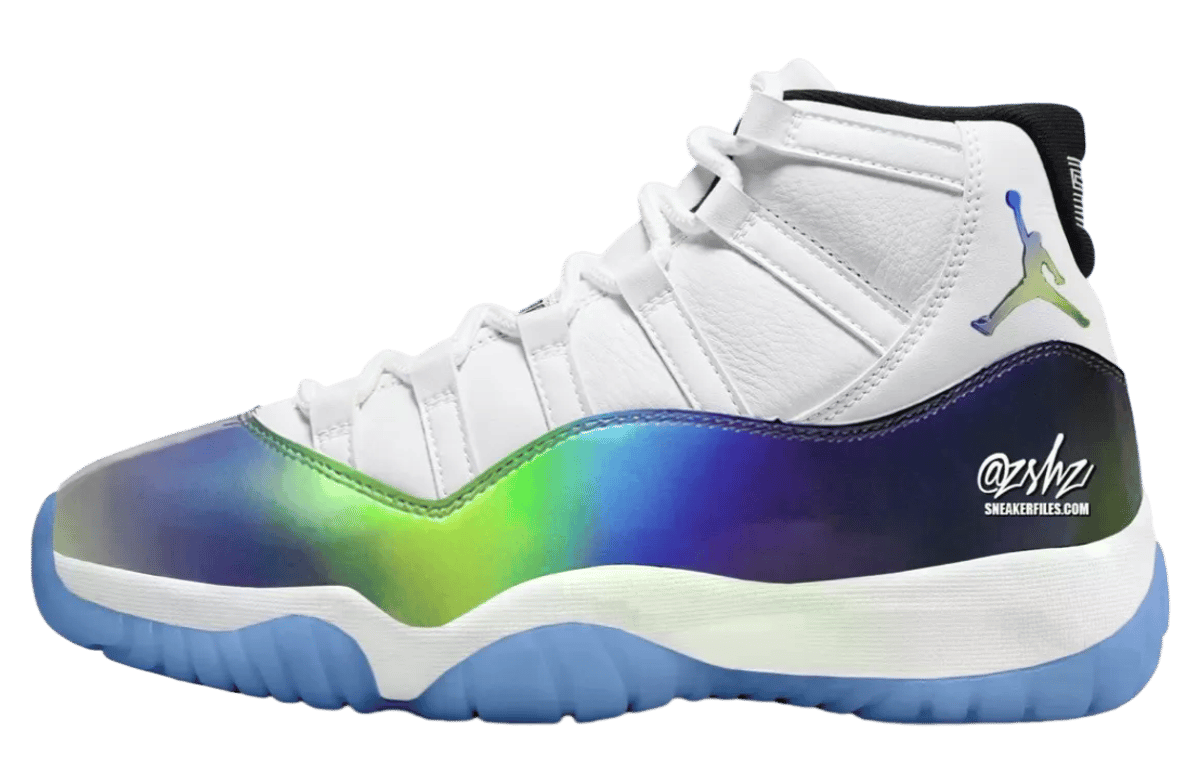
The "galaxy" motif resurfaced in the early 2010s when Nike’s Foamposite Galaxy line introduced star‑field graphics and iridescent finishes. Fans have since applied that visual language to a variety of silhouettes, creating a sub‑culture of cosmic‑themed kicks. The rumored Air Jordan 11 Space Jam Galaxy would fuse these two iconic aesthetics, likely adding nebula‑inspired overlays, glow‑in‑the‑dark details, and a refreshed color palette that nods to both the original film and interstellar themes. Such a hybrid design taps into the collector’s desire for novelty while honoring the sneaker’s storied past.
From a business perspective, a confirmed launch could generate a surge in hype-driven sales, secondary‑market activity, and social media chatter, reinforcing Jordan Brand’s relevance amid fierce competition. Timing the release for late 2026 aligns with a broader industry trend of leveraging nostalgia cycles, potentially maximizing both primary‑market revenue and resale margins. Moreover, the crossover appeal to movie fans, sneakerheads, and streetwear enthusiasts would broaden the consumer base, offering Jordan Brand a strategic advantage in capturing diverse market segments.
Air Jordan 11 Space Jam Galaxy
0
Comments
Want to join the conversation?
Loading comments...