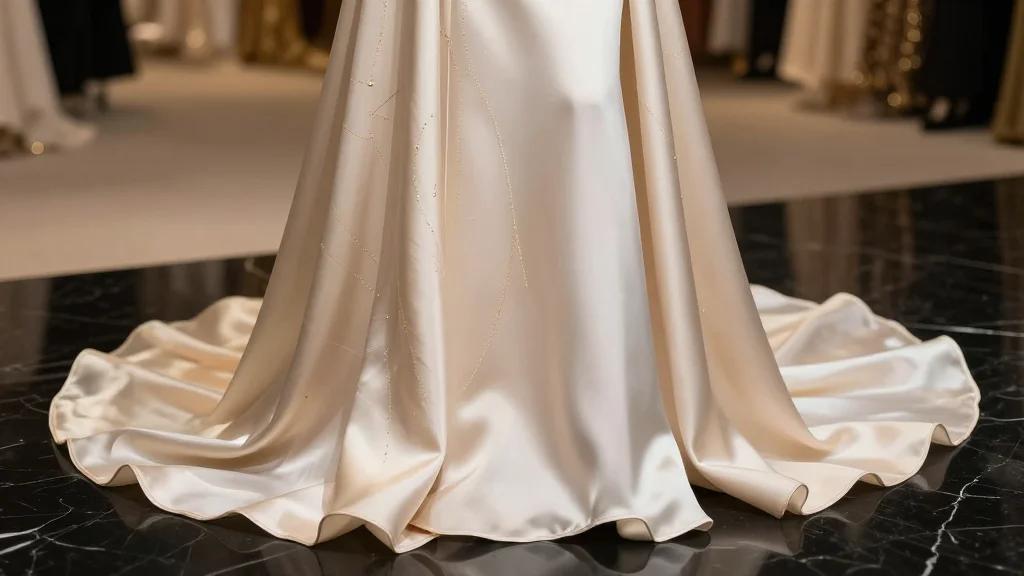
Aisha McShaw’s Self‑Designed Gown Redefines 2026 Met Gala Amid Celebrity Styling Revolt

Companies Mentioned
Metropolitan Museum of Art

Louis Vuitton
Why It Matters
McShaw’s self‑designed gown represents a watershed moment for representation and ownership in luxury fashion. By breaking the traditional gatekeeping that has kept Black women largely in muse roles, she signals a broader cultural shift toward inclusivity and creative agency. The move also forces luxury brands to reconsider how they source talent and protect IP, as the creator economy empowers individuals to monetize their aesthetic without relying on legacy houses. The ripple effect extends beyond the runway. As stylists and influencers claim design credit, they bring built‑in audiences and data‑driven insights that can accelerate product cycles and enhance brand relevance among younger consumers. This convergence of creativity, commerce, and cultural capital could reshape the financial architecture of the fashion industry, prompting new partnership models and revenue streams.
Key Takeaways
- •Aisha McShaw wore a self‑designed champagne gown at the 2026 Met Gala, marking the first such appearance by a stylist‑turned‑designer.
- •The gown featured a one‑shoulder silhouette, sheer train, and thigh‑high slit, embodying the "quiet luxury" trend.
- •Zendaya’s recent Vogue Brasil covers showcased a Louis Vuitton fringe dress worn backwards and a Dior coat‑dress with an ultra‑high slit, highlighting celebrity experimentation with styling.
- •Industry analysts view McShaw’s move as part of a creator‑economy shift where stylists seek IP ownership and brand equity.
- •Legacy luxury houses may need to adapt by offering co‑design opportunities to retain relevance with creator‑driven audiences.
Pulse Analysis
The Met Gala has long functioned as a branding showcase for established fashion houses, but Aisha McShaw’s self‑designed entrance signals a tectonic shift toward creator‑centric luxury. Historically, stylists operated behind the scenes, translating a brand’s vision for the red carpet without claiming authorship. McShaw’s vertical integration—design, production, and personal presentation—mirrors the broader entertainment industry trend where talent launches independent ventures to capture both creative control and revenue streams. This evolution is fueled by social media, where personal branding can eclipse traditional house labels in reach and relevance.
From a market perspective, the emergence of independent auteur‑stylists could fragment the luxury ecosystem. Brands that cling to exclusivity may lose the cultural cachet that comes from authentic, story‑driven designs. Conversely, houses that embrace collaboration with creator‑directed talent can tap into new consumer segments and diversify their design pipelines. The "quiet luxury" aesthetic championed by McShaw aligns with a consumer appetite for understated craftsmanship over overt logos, suggesting that future collections may prioritize material innovation and narrative depth.
Looking forward, the Met Gala will likely become a testing ground for these dynamics. As more stylists and influencers present self‑made garments, the event could evolve from a house‑centric spectacle into a platform for emerging creative entrepreneurs. This democratization may accelerate the pace of trend cycles, compressing the traditional fashion calendar and forcing legacy players to innovate or risk obsolescence. Stakeholders—design houses, investors, and media—should monitor how creator‑owned designs perform commercially and culturally, as they may redefine the metrics of success in high fashion.
Aisha McShaw’s Self‑Designed Gown Redefines 2026 Met Gala Amid Celebrity Styling Revolt
Comments
Want to join the conversation?
Loading comments...