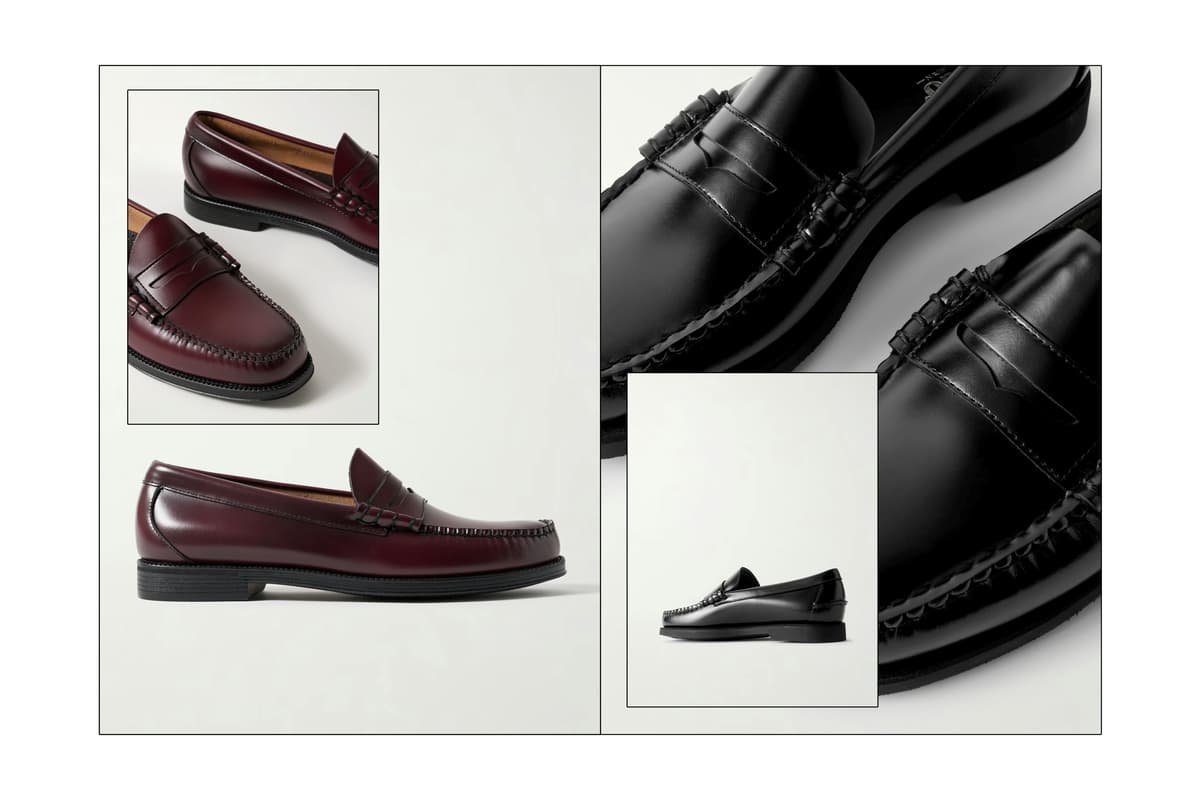
Answering the Quintessential Loafer Lover's Question: Weejuns or Sebago?
Why It Matters
Understanding the nuanced differences helps consumers choose a loafer that matches their comfort needs and style preferences, influencing purchasing decisions in a competitive premium footwear market.
Key Takeaways
- •Sebago Dan costs about $200, offers softer initial fit.
- •Bass Weejuns feature longer vamp and pronounced stitching.
- •Both shoes use moccasin construction with leather uppers and soles.
- •Sebago recommended for first-time loafers; Bass suits style purists.
Pulse Analysis
Loafers have become a cornerstone of modern men’s wardrobes, bridging casual and formal attire with ease. G.H. Bass, a heritage brand dating back to 1902, popularized the penny‑loafer silhouette that remains a status symbol, while Sebago, traditionally known for boat shoes, entered the dress‑shoe arena with the Dan model. Both sit at the $200 price tier, positioning them as premium yet accessible options for professionals seeking quality craftsmanship without luxury markup.
The two models share a moccasin construction, leather uppers, and leather soles, but their fit dynamics diverge sharply. Bass Weejuns present a longer vamp and tighter stitching, delivering a sleek, narrowed profile that can feel rigid during the initial wears. This stiffness rewards patient owners with a shoe that molds uniquely to the foot, offering a distinguished aesthetic once broken in. In contrast, the Sebago Dan’s shorter, broader shape provides immediate comfort, a softer break‑in curve, and a more uniform patina over time, making it attractive to buyers who prioritize ease of wear over the ritual of shaping a shoe.
For shoppers, the decision hinges on personal priorities: immediate comfort versus long‑term character. Sebago’s forgiving fit makes it an ideal first loafer, reducing the risk of buyer’s remorse, while Bass appeals to style purists who appreciate a slimmer silhouette and the narrative of a shoe that ages with the wearer. As the premium loafer segment evolves, brands are emphasizing sustainable leather sourcing and direct‑to‑consumer channels, trends that could further sway discerning consumers toward models that combine heritage appeal with modern ethical standards.
Answering the Quintessential Loafer Lover's Question: Weejuns or Sebago?
Comments
Want to join the conversation?
Loading comments...