Why It Matters
The spotlight on these Japanese labels underscores a shift toward material‑driven luxury, offering Western retailers fresh sources of sustainable, high‑quality menswear. Their growing appeal could reshape buying patterns and inspire broader industry adoption of Japanese craftsmanship.
Key Takeaways
- •AURALEE blends wool and nylon for versatile, timeless pieces.
- •Ssstein offers minimalist jackets that rival European luxury at lower price.
- •Kaptain Sunshine reinterprets vintage silhouettes with modern, relaxed fit.
- •A.Presse delivers understated Japanese avant‑garde in denim and silk.
- •Mr Porter’s curation spotlights Tokyo’s emerging menswear talent.
Pulse Analysis
Japanese menswear has moved from niche subculture to a central driver of global luxury fashion. The country’s post‑war tradition of meticulous tailoring, combined with a contemporary obsession with fabric innovation, resonates with consumers tired of fast‑fashion churn. Brands that prioritize material composition—whether a hybrid wool‑nylon weave or a hand‑dyed indigo denim—are gaining traction not just on the streets of Tokyo but in high‑end department stores worldwide. This shift reflects a broader industry pivot toward durability, quiet luxury, and sustainable sourcing.
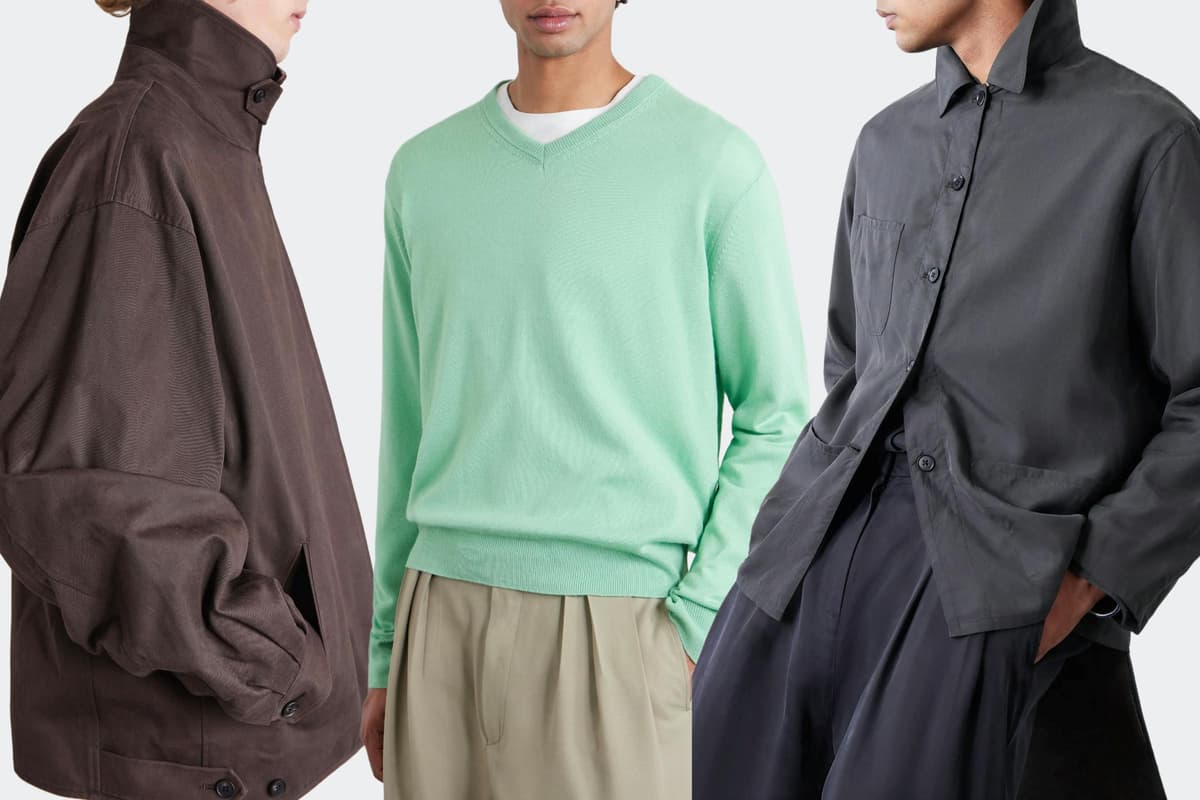
Mr Porter’s recent feature spotlights four Tokyo‑based labels that embody this ethos. AURALEE, founded by Ryota Iwai, plays with color‑blocked palettes while blurring the line between wool and synthetic fibers, creating pieces that transition from day to night without effort. Ssstein’s jackets, engineered by Kiichiro Asakawa, rely on soft pigments and minimal detailing, delivering a utilitarian luxury that undercuts many European competitors on price. Kaptain Sunshine reimagines classic vintage silhouettes with a relaxed, unstiff construction, while A.Presse, led by Kazuma Shigematsu, offers understated denim, silk shirts and bomber jackets that carry an avant‑garde edge yet remain timeless. Together they illustrate how Japanese designers marry heritage techniques with modern minimalism.
The attention from Western retailers signals a commercial validation that could accelerate investment in Japan’s independent fashion ecosystem. As consumers increasingly value longevity and subtle branding, these four houses are positioned to expand beyond niche boutiques into broader luxury channels, potentially influencing design cues across European houses. Moreover, their emphasis on fabric research aligns with sustainability goals, offering a blueprint for the industry’s next wave of responsible luxury. For investors and buyers, tracking the performance of such curations provides early insight into shifting consumer preferences toward quiet, material‑driven elegance.
Antwerp Six? More Like Tokyo Four...
Comments
Want to join the conversation?
Loading comments...