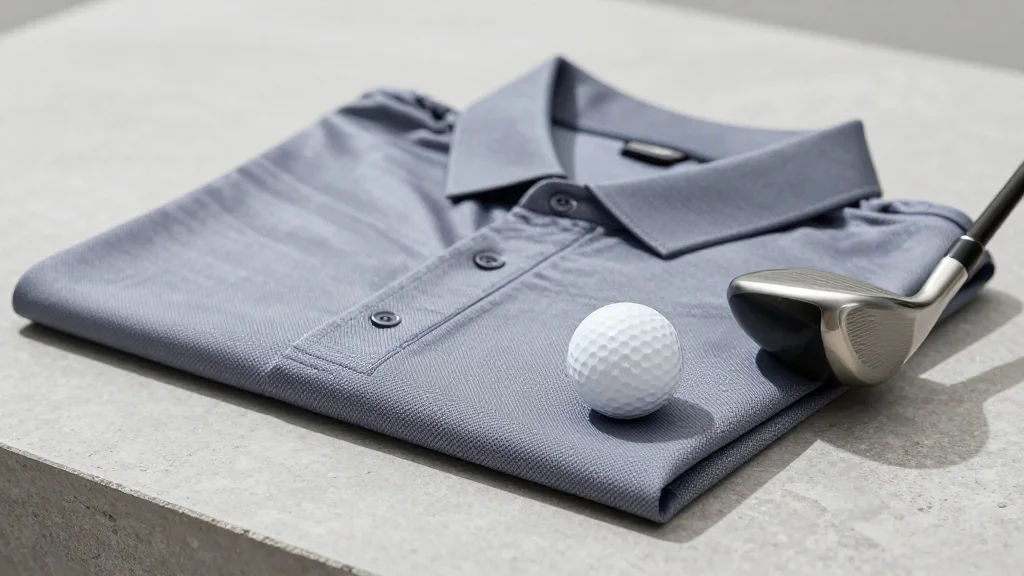
At 30, J.Lindeberg Leans Into Heritage as Fashionable Sports Brand
Companies Mentioned

Why It Matters
The strategic shift sharpens J.Lindeberg’s brand DNA, positioning it for sustainable growth in the lucrative athleisure and premium golf markets. Profitability and investor support signal resilience amid broader retail headwinds.
Key Takeaways
- •Sport products now 60% of J.Lindeberg sales, $130M 2022 revenue.
- •CEO Hans‑Christian Meyer refocuses brand on sporty, fashion‑forward DNA.
- •Online sales account for about half of U.S. revenue, e‑comm in‑house.
- •Women’s sport apparel shows strong growth, targeting fashionable golf market.
- •New flagship stores in Seoul and Stockholm showcase refreshed brand identity.
Pulse Analysis
Celebrating its 30th anniversary, Stockholm‑based J.Lindeberg is using its heritage to steer the brand toward a clearer, sport‑driven identity. Founded in 1996 as a modern take on golf apparel, the label now generates roughly 60 % of its $130 million 2022 revenue from performance‑oriented collections. CEO Hans‑Christian Meyer, a former Ralph Lauren Europe retail chief, has trimmed away high‑fashion experiments—such as hand‑painted boots and tuxedos—to concentrate on outerwear, knitwear, hybrids and jerseys that blend style with function. The move signals a return to the DNA that originally set the company apart.
The brand’s operational pivot is equally aggressive. J.Lindeberg brought its e‑commerce platform in‑house, making online sales about half of its U.S. turnover and allowing a unified global‑local presentation from a New York showroom office. Wholesale in the United States now focuses on golf and ski, while talks with Nordstrom aim to introduce lifestyle pieces for the fall season. Women’s sport wear is gaining traction, driven by a surge in fashionable golf apparel, and new flagship stores in Seoul and Stockholm are being used as testbeds for the refreshed visual language.
From a financial perspective, the shift appears to be paying off. After two profitable years out of its first 23, J.Lindeberg now reports consistent earnings despite a challenging macro environment and a recent dip in U.S. wholesale volume. Backed by the long‑term investors of the Bestseller group, the company has the capital to continue store remodels and product innovation. By aligning with consumer demand for athleisure that feels both performance‑ready and runway‑worthy, J.Lindeberg positions itself alongside brands like Nike Golf and Ralph Lauren, potentially expanding its share of the premium sports‑lifestyle market.
At 30, J.Lindeberg Leans Into Heritage as Fashionable Sports Brand
Comments
Want to join the conversation?
Loading comments...