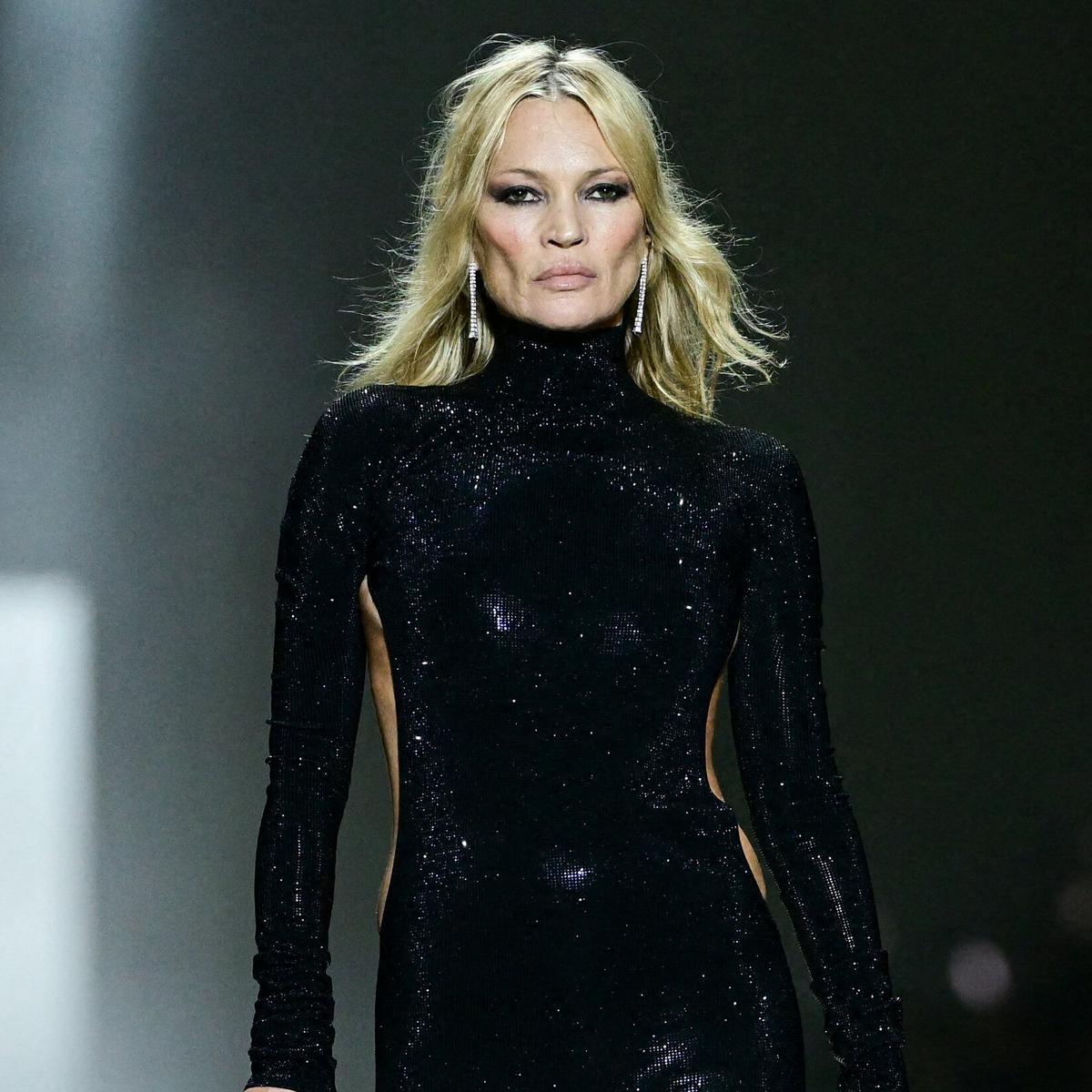
At Gucci: Bodies, Bodies, Bodies From Demna
•February 28, 2026
0
Why It Matters
The show signals Gucci’s strategic push to recapture cultural relevance and high‑margin demand through bold, heritage‑driven storytelling, while testing consumer tolerance for provocative luxury branding.
Key Takeaways
- •Demna's first full Gucci runway debuted Feb 28, 2026.
- •Show featured Kate Moss in provocative sequined gown.
- •Collection revived 1990s sensual aesthetic with modern twists.
- •Faux museum set emphasized sculptural, body‑centric theme.
- •Critics note risk of controversy over overt sexuality.
Pulse Analysis
Gucci’s latest runway marks a pivotal moment in the brand’s evolution, echoing the seismic impact of Tom Ford’s 1995 show that transformed Gucci from a fading name into a cultural powerhouse. Demna Gvasalia, who took the creative helm in March 2025, leveraged that historical narrative by staging a museum‑like environment that fused classical sculpture with contemporary fashion, positioning the collection as both a homage and a forward‑looking statement. By resurrecting iconic motifs—such as the logo thong introduced by Ford—and pairing them with modern body‑con silhouettes, the show attempts to bridge nostalgia with today’s luxury consumer expectations.
The visual language of the show was deliberately provocative: Kate Moss, a 1990s supermodel, closed the runway in a black sequined gown that revealed a 10‑carat diamond‑set double‑G thong, while models strutted in hip‑huggers reimagined as sleek leggings. These choices underscore Demna’s intent to re‑inject sensuality and theatricality into Gucci’s DNA, a tactic designed to generate buzz across social media platforms and attract a younger, experience‑driven clientele. The faux museum set, populated by oversized marble forms, reinforced the theme of the human body as both artwork and commodity, aligning with broader industry trends that celebrate sculptural tailoring and gender‑fluid aesthetics.
From a business perspective, the show could catalyze a resurgence in Gucci’s sales, especially if the provocative narrative translates into heightened demand for limited‑edition pieces and accessories. However, the overt sexualization also carries reputational risk, potentially alienating more conservative markets and inviting scrutiny from advocacy groups. Luxury brands increasingly walk a tightrope between artistic expression and brand safety; Gucci’s gamble may set a benchmark for how heritage houses balance heritage reverence with avant‑garde experimentation in a rapidly shifting consumer landscape.
At Gucci: Bodies, Bodies, Bodies From Demna
0
Comments
Want to join the conversation?
Loading comments...