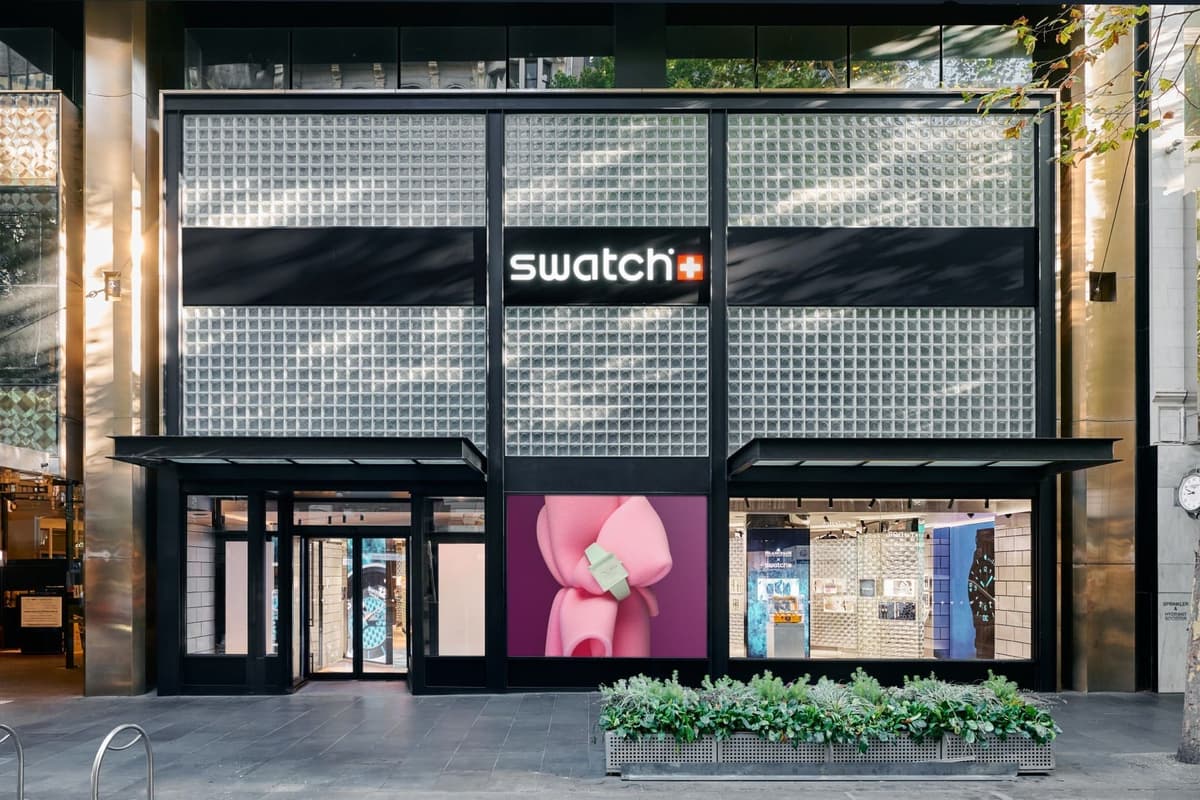
Audemars Piguet X Swatch Royal Pop Queue Starts Five Days Before The Watch Even Drops
Why It Matters
The drop highlights how luxury brands leverage affordable collaborations to create scarcity‑driven demand, inflating resale markets and reshaping consumer purchasing behavior. It underscores the growing influence of hype‑centric retail strategies on both primary sales and secondary pricing dynamics.
Key Takeaways
- •Swatch x Audemars Royal Pop priced $300‑$500, bioceramic.
- •Queues formed five days before May 16 release in NYC.
- •Resellers plan to flip watches for up to three times retail price.
- •Limited in‑store stock and two‑per‑customer rule fuels hype.
- •Waiting six months avoids queues and resale premiums.
Pulse Analysis
The Swatch‑Audemars Piguet partnership taps into a proven formula: pair a high‑profile luxury silhouette with Swatch’s affordable, colorful materials to capture both brand loyalists and casual buyers. The Royal Pop mirrors the Royal Oak’s design language but uses bioceramic and vibrant hues, positioning it at a price point comparable to the MoonSwatch’s $300‑$500 range. By limiting distribution to physical stores and capping purchases at two per customer, the brands engineer scarcity, prompting media buzz and long‑standing watch‑collector excitement.
That engineered scarcity fuels a robust secondary market. Early queues, like the five‑day line outside New York boutiques, are less about genuine fandom and more about opportunistic flippers who intend to resell the piece on platforms such as Chrono24 for up to three times its retail price. The phenomenon mirrors previous Swatch Group collaborations—MoonSwatch and Blancpain Scuba Fifty—where resale premiums persisted months after launch. This dynamic not only inflates prices for end consumers but also creates a feedback loop that encourages brands to repeat limited‑edition drops, further entrenching hype‑driven purchasing cycles.
For consumers, the practical takeaway is patience. By waiting six months, buyers can avoid the marathon queues and the inflated resale market, securing a Royal Pop at retail without the added cost of a secondary‑market markup. For the industry, the episode illustrates how luxury houses can harness affordable collaborations to generate buzz, drive foot traffic, and monetize scarcity, while also highlighting the ethical considerations of fostering a reseller‑centric ecosystem. The Royal Pop thus serves as a case study in modern luxury marketing, where hype, scarcity, and secondary‑market economics intersect.
Audemars Piguet x Swatch Royal Pop Queue Starts Five Days Before The Watch Even Drops
Comments
Want to join the conversation?
Loading comments...