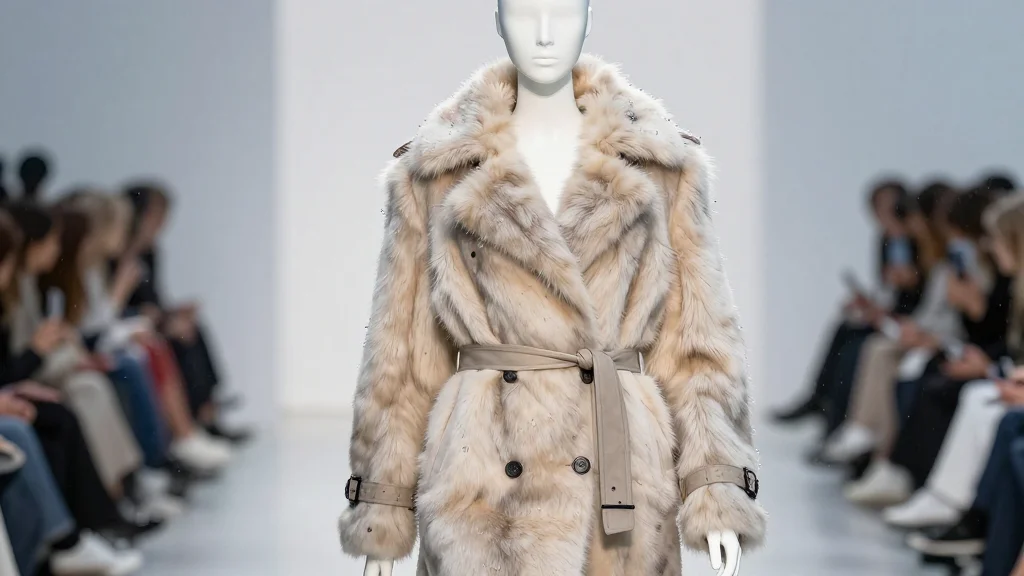
Australian Fashion Week 2026: Outerwear Rules the Runway as Rain‑Soaked Shows Steal the Spotlight

Companies Mentioned
Why It Matters
The outerwear focus at Australian Fashion Week signals a broader shift in consumer priorities toward versatile, climate‑responsive clothing. As Australian winters become more unpredictable, designers are answering demand for garments that transition from chilly mornings to warm afternoons, a trend likely to influence global retailers and fast‑fashion chains. Additionally, the ability of high‑profile shows to thrive despite inclement weather showcases the resilience of the Australian fashion ecosystem, reinforcing Sydney’s reputation as a world‑class fashion capital capable of delivering compelling narratives under any conditions. The artistic direction of Nicol & Ford’s “Feint” and Carla Zampatti’s rain‑slick runway also underscores a growing appetite for storytelling that merges fashion with cultural and environmental themes. By weaving joy, resilience, and heritage into their collections, these designers are positioning Australian fashion as a conduit for social commentary, a factor that could attract international buyers seeking depth beyond aesthetics.
Key Takeaways
- •Trench, fur and funnel‑neck coats dominate AFW 2026 runways and street style.
- •Stylist Madeleine Park cites the cropped trench as a practical, weather‑flexible alternative.
- •Nicol & Ford’s “Feint” blends art, love and optimism, marking a shift from previous political themes.
- •Carla Zampatti’s rain‑slick “Reflections” turns inclement weather into a runway advantage.
- •The outerwear trend is expected to influence global retail and fast‑fashion collections this winter.
Pulse Analysis
Australian Fashion Week 2026 illustrates how regional fashion weeks can set global trends when they align design with lived experience. The surge in trench and funnel‑neck coats reflects a consumer base that values adaptability—an evolution from the ‘quiet luxury’ of previous seasons toward garments that serve both aesthetic and functional needs. This pivot is likely driven by a combination of climate volatility and a post‑COVID workplace that oscillates between formal and casual settings. Brands that can embed this duality into their DNA will capture market share not only in Australia but across the Asia‑Pacific, where similar weather patterns and work‑culture shifts are emerging.
Nicol & Ford’s “Feint” demonstrates the power of narrative in differentiating a label in a crowded market. By anchoring their collection in the story of Adrian Feint and emphasizing joy, the designers tap into a consumer desire for optimism after years of socio‑political fashion statements. This approach may inspire other Australian houses to balance activism with escapism, creating collections that are both conversation‑worthy and commercially viable.
Finally, the rain‑soaked “Reflections” runway underscores an operational resilience that could become a competitive advantage. Production teams that can pivot quickly—adjust lighting, choreography, and styling to accommodate weather—deliver a seamless experience that reinforces brand credibility. As climate change introduces more unpredictable conditions, designers who master this flexibility will likely dominate future fashion weeks, setting a new standard for how runway shows are conceived and executed.
Australian Fashion Week 2026: Outerwear Rules the Runway as Rain‑Soaked Shows Steal the Spotlight
Comments
Want to join the conversation?
Loading comments...