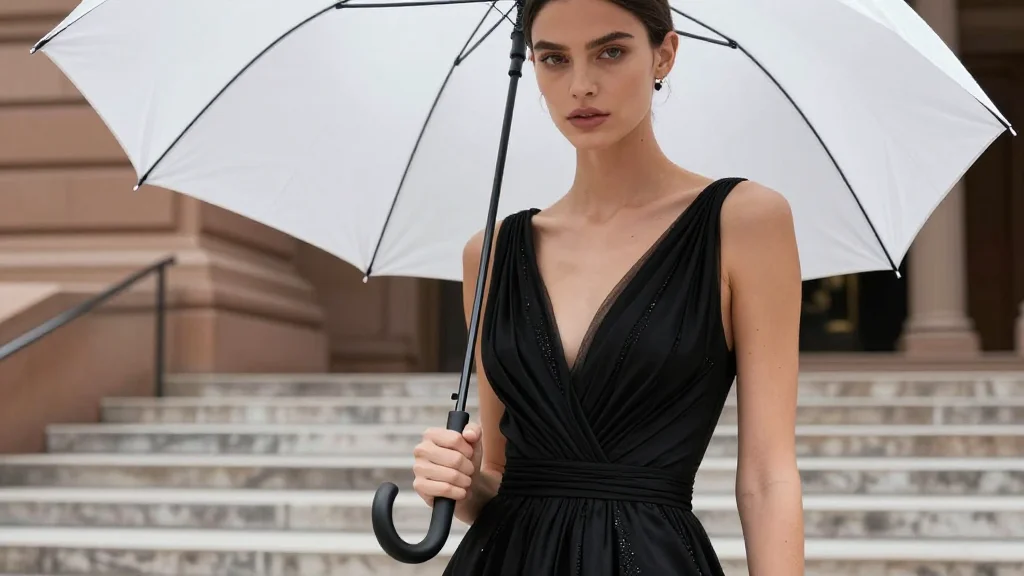
Australian Fashion Week Packs Crowds at Carla Zampatti and Toni Maticevski Shows

Why It Matters
The surge in attendance at Australian Fashion Week’s marquee shows signals a revitalized domestic market, offering designers a platform to attract investment and international buyers. By successfully hosting the event at a cultural institution and managing logistical challenges like weather, the organizers have set a new benchmark for future fashion weeks in the region. This momentum could accelerate the export of Australian designs, bolstering the country's creative economy. Furthermore, the juxtaposition of legacy and avant‑garde designers illustrates the diversity of the Australian fashion ecosystem, appealing to a broader consumer base. As sustainability and digital innovation become central to the industry, the event’s ability to adapt will influence how Australian brands compete on the global stage.
Key Takeaways
- •Australian Fashion Week debuted at Sydney's Museum of Contemporary Art for the first time.
- •Carla Zampatti and Toni Maticevski attracted packed houses on day one.
- •Organisers shipped 900 umbrellas to protect guests from rain.
- •The venue shift enabled immersive runway experiences, boosting designer visibility.
- •Strong audience turnout indicates growing consumer confidence in Australian fashion.
Pulse Analysis
Australian Fashion Week’s successful launch at the Museum of Contemporary Art marks a strategic pivot that could reshape the nation’s fashion calendar. Historically, the event struggled with fragmented venues and inconsistent attendance, limiting its appeal to international buyers. By consolidating the show in a high‑profile cultural space, organizers have elevated the event’s prestige, aligning it with global fashion weeks that leverage iconic architecture to enhance brand storytelling.
The robust crowds for Zampatti and Maticevski also reflect a broader consumer shift toward supporting local talent after years of supply‑chain volatility. Retailers are likely to respond with increased orders, especially as designers demonstrate the capacity to blend heritage craftsmanship with contemporary aesthetics. This dynamic creates a virtuous cycle: higher demand fuels investment in design talent, which in turn strengthens Australia’s export potential.
Looking forward, the event’s emphasis on logistical resilience—exemplified by the 900 umbrellas—signals a commitment to operational excellence that could attract more high‑profile sponsors and media coverage. If the momentum is sustained through the upcoming trade shows and digital initiatives, Australian Fashion Week may emerge as a key gateway for regional designers seeking global market entry, reshaping the competitive landscape of the Asia‑Pacific fashion sector.
Australian Fashion Week Packs Crowds at Carla Zampatti and Toni Maticevski Shows
Comments
Want to join the conversation?
Loading comments...