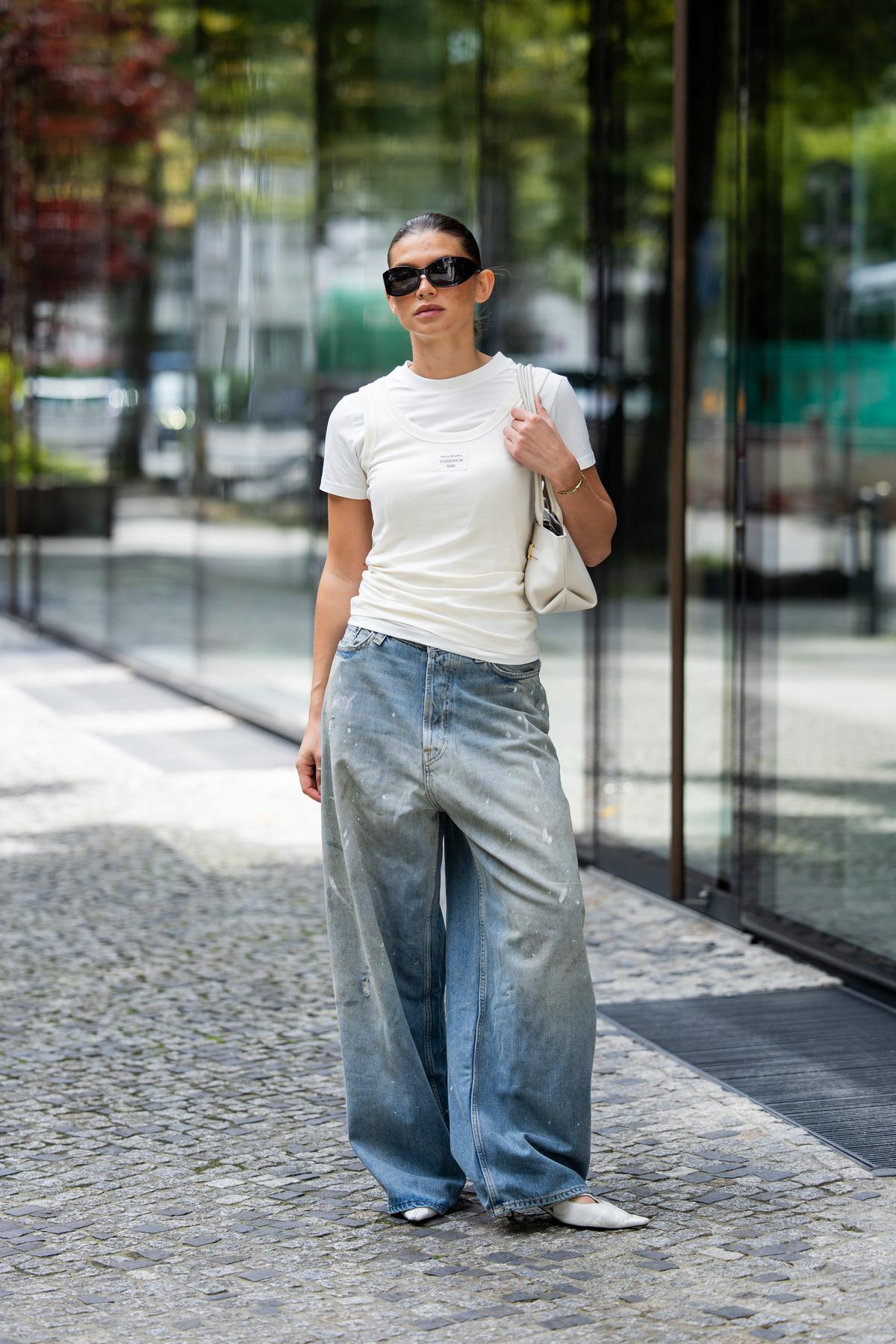
Baggy Jeans Are Still Going Strong, According to Fashion Insiders
•March 3, 2026
0
Why It Matters
The sustained popularity of baggy jeans reshapes denim inventory strategies and validates consumer demand for comfort‑driven, style‑flexible apparel, influencing both high‑fashion and mass‑market segments.
Key Takeaways
- •Baggy jeans outpace skinny resurgence in 2026.
- •Designers pair oversized denim with structured tops.
- •Retailers expand size ranges to meet demand.
- •Drawstring and dark-wash styles dominate spring collections.
- •Street style fuels continued popularity across demographics.
Pulse Analysis
The resurgence of baggy jeans reflects a broader cultural shift toward comfort without sacrificing style. Originating from the early 2000s revival and amplified by remote‑work wardrobes, the silhouette offers a relaxed fit that appeals to a generation accustomed to casual dress codes. This comfort‑first mindset has translated into sustained consumer interest, driving brands to prioritize loose cuts that accommodate diverse body types while maintaining a fashion‑forward edge.
Runway shows this season, notably Dior’s Spring/Summer 2026 collection, have elevated baggy denim by juxtaposing it with tailored blazers and structured tops, proving the silhouette’s versatility. High‑fashion endorsement trickles down to mainstream retailers, prompting a surge in hybrid designs that blend street‑wear aesthetics with refined tailoring. The integration of drawstring waists, dark‑wash finishes, and low‑slung cuts demonstrates designers’ intent to keep the trend fresh, catering to both seasonal transitions and year‑round wear.
For retailers, the baggy jean boom necessitates strategic inventory adjustments. Expanded size ranges and inclusive fit options are becoming standard, while sustainability initiatives encourage the use of recycled denim fibers to meet eco‑conscious consumer expectations. E‑commerce platforms are leveraging data‑driven insights to forecast demand spikes, ensuring that flagship styles—from Levi’s Super Baggy Barrel to Madewell’s Ultimate Wide‑Leg—remain stocked. As the market adapts, baggy jeans are poised to dominate denim sales charts, reinforcing their status as a cornerstone of contemporary fashion.
Baggy Jeans Are Still Going Strong, According to Fashion Insiders
0
Comments
Want to join the conversation?
Loading comments...