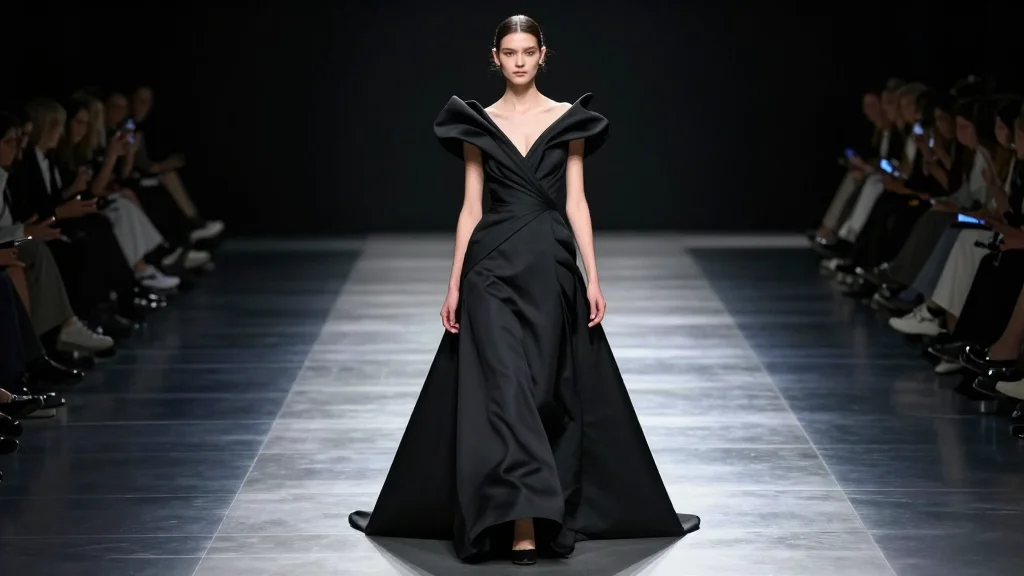
Balenciaga’s ‘ClairObscur’ Runway Sparks Debate Over Luxury’s Future

Companies Mentioned
Why It Matters
The “ClairObscur” runway crystallizes a pivotal moment for luxury fashion: the need to reconcile heritage craftsmanship with the cultural cachet of street‑wear. As brands navigate post‑COVID consumer expectations for both authenticity and spectacle, Balenciaga’s blend of architecture, cinema, and music offers a blueprint for multidimensional storytelling. The outcome of this experiment will influence how other houses allocate creative resources, negotiate legacy versus innovation, and engage a generation that values both heritage and disruption. Moreover, the show’s mixed reception highlights the growing influence of fashion criticism in shaping brand trajectories. Positive press can bolster a house’s positioning among high‑net‑worth buyers, while dissenting voices may prompt recalibrations in design direction, marketing spend, and retail strategy. The stakes extend beyond aesthetic debates to the financial health of a brand that commands billions in annual revenue.
Key Takeaways
- •Balenciaga presented 80 co‑ed looks at Paris Fashion Week on March 7, 2026.
- •Creative director Pierpaolo Piccioli framed the collection around “the centrality of and focus on the human form.”
- •Collaboration with Sam Levinson brought HBO‑style video installations to the runway.
- •Critics are split on whether the show balances Cristóbal Balenciaga’s architecture with Demna’s street‑wear legacy.
- •The collection may set a new template for luxury houses blending high‑concept design with cross‑media partnerships.
Pulse Analysis
Balenciaga’s latest runway underscores a broader industry pivot toward narrative‑driven fashion shows that function as cultural events rather than mere product unveilings. By enlisting a television auteur and a soundtrack from global music stars, the house is leveraging the same cross‑platform tactics that have propelled streetwear brands like Off‑White into the luxury stratosphere. This convergence of fashion, film, and music reflects a consumer appetite for immersive experiences, especially among Gen Z and Millennials who consume content across multiple screens.
Historically, Balenciaga has oscillated between reverence for Cristóbal’s sculptural silhouettes and the rebellious, deconstructed aesthetic introduced by Demna. Piccioli’s “ClairObscur” attempts a synthesis, but the mixed critical response suggests the brand is still searching for a cohesive identity. If the collection translates into strong sell‑through and secondary‑market demand, it could validate a hybrid model where heritage houses adopt avant‑garde storytelling without abandoning timeless craftsmanship. Conversely, a lukewarm commercial performance may push Balenciaga to double‑down on either pure architectural luxury or the street‑wear provocation that defined its recent resurgence.
Looking ahead, the runway’s emphasis on structural outerwear and monochrome-to‑color transitions may influence upcoming seasonal forecasts, prompting other luxury houses to prioritize versatile, architecturally inspired pieces that can be marketed both in‑store and digitally. Investors and analysts will be watching Balenciaga’s next financial disclosures closely, as the brand’s ability to monetize this artistic direction will be a bellwether for the viability of high‑concept runway shows in a market increasingly driven by data‑centric consumer insights.
Balenciaga’s ‘ClairObscur’ Runway Sparks Debate Over Luxury’s Future
Comments
Want to join the conversation?
Loading comments...