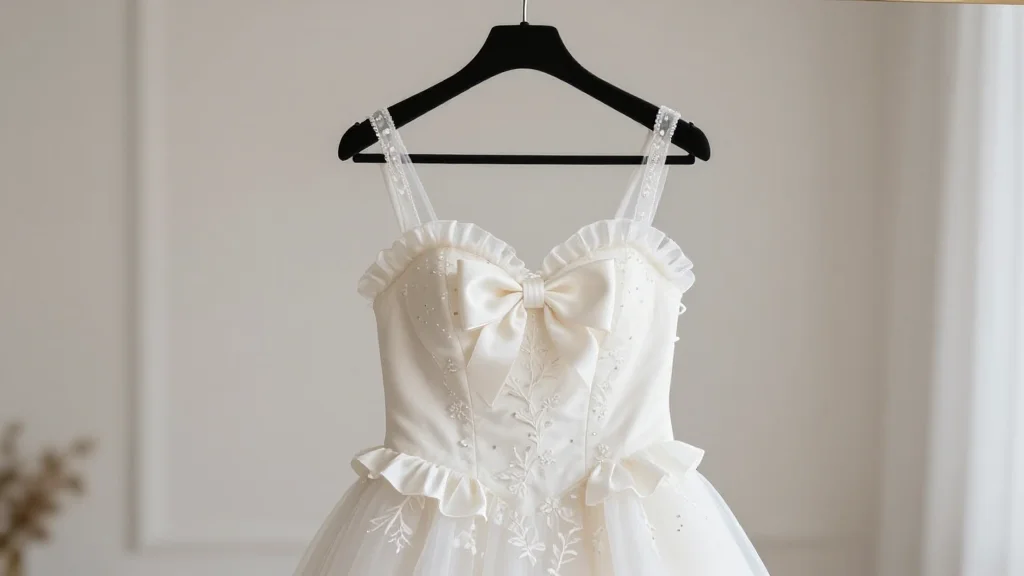
Batsheva Launches First Bridal Collection with Ruffles, Bows and Swiss‑Dot Detailing

Why It Matters
Batsheva’s move into bridal wear illustrates how contemporary fashion labels are leveraging their existing brand equity to tap into the high‑margin wedding market. By offering a ready‑made collection that retains the label’s distinctive aesthetic, the designer meets a clear consumer demand for personalized, fashion‑forward wedding attire. The launch also highlights a shift in bridal expectations, where brides increasingly prioritize individuality over traditional norms. If the collection resonates, it could inspire other niche designers to launch bridal lines, intensifying competition and expanding consumer choice. This could ultimately reshape the bridal segment, pushing it toward more experimental designs and broader price points, while reinforcing the importance of brand storytelling in wedding fashion.
Key Takeaways
- •Batsheva Hay unveils first bridal collection featuring ruffles, bows and Swiss‑dot detailing.
- •The line translates the brand’s bold, colorful DNA into a monochrome wedding aesthetic.
- •Designer cites years of private bridal requests as the catalyst for the launch.
- •Collection will debut in New York flagship stores and online in early May.
- •Launch reflects a growing trend of contemporary fashion houses entering the $70 billion bridal market.
Pulse Analysis
Batsheva’s entry into bridal wear is a strategic diversification that aligns with a broader industry pattern: designers are seeking new revenue streams beyond seasonal ready‑to‑wear cycles. The bridal market offers higher average transaction values and a longer purchase timeline, allowing brands to capture profit margins that are less susceptible to the rapid turnover of streetwear. By packaging its signature elements—ruffles, bows, Swiss‑dot texture—into a wedding‑ready format, Batsheva leverages its existing design language while mitigating the risk of alienating its core audience.
Historically, bridal wear has been the domain of legacy houses such as Vera Wang and Monique Lhuillier, whose monikers are synonymous with wedding couture. However, the rise of social media and influencer culture has democratized bridal inspiration, prompting brides to look beyond traditional houses for unique statements. Batsheva’s collection arrives at this inflection point, offering a fresh, fashion‑forward alternative that could attract a younger, style‑savvy demographic. The brand’s ability to translate its bold aesthetic into a subdued palette demonstrates design flexibility that may set a benchmark for other contemporary labels.
Looking forward, the success of Batsheva’s bridal line will hinge on execution—both in terms of product quality and distribution. If the collection gains traction, we can expect accelerated rollouts of seasonal variations, collaborations with luxury retailers, and perhaps even a bespoke service that mirrors the designer’s earlier “sneaky bridal business.” Such moves would deepen the brand’s foothold in the wedding sector and could inspire a wave of similar expansions across the fashion landscape, reshaping how designers approach the lucrative but traditionally conservative bridal market.
Batsheva Launches First Bridal Collection with Ruffles, Bows and Swiss‑Dot Detailing
Comments
Want to join the conversation?
Loading comments...