Blackstock & Weber Shutters NYC Flagship as Realities of Being a Retailer Set In
Companies Mentioned
Why It Matters
The shutdown underscores the difficulty niche luxury brands face in sustaining physical locations amid high NYC rents and complex inventory demands, prompting a pivot toward direct‑to‑consumer models.
Key Takeaways
- •Flagship closed after two years due to inventory and retail cost pressures
- •Founder stresses difference between brand storytelling and retailer logistics
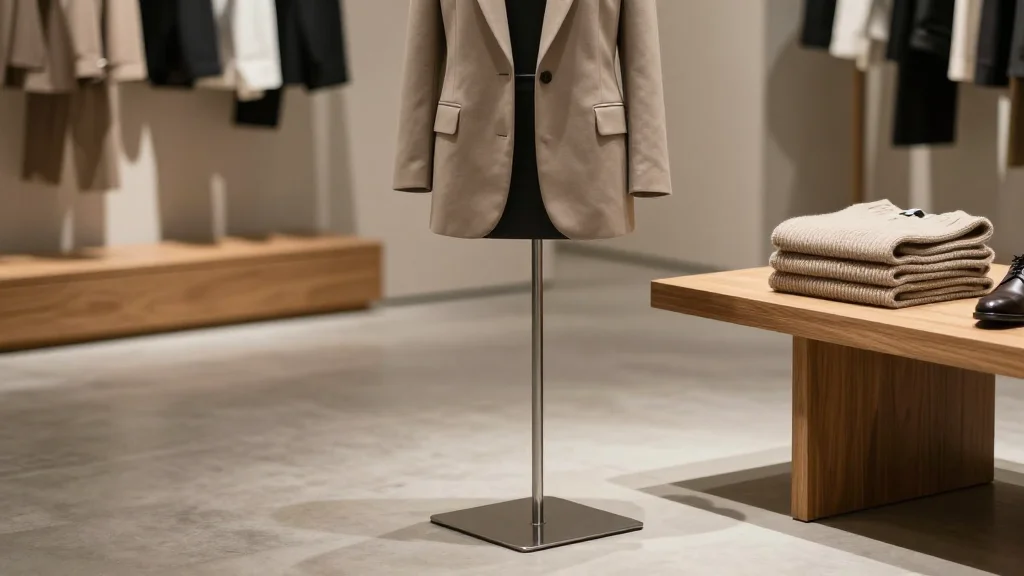
- •Store featured 600‑sq‑ft “General Store” concept with exclusive collaborations
- •Brand plans to refocus on online sales and future product launches
Pulse Analysis
The closure of Blackstock & Weber’s Nolita flagship highlights a growing tension between brand identity and the logistical burdens of retail. While the 600‑square‑foot space allowed the label to showcase shoes, ready‑to‑wear, and limited‑edition pieces, the cost of maintaining inventory in a high‑rent district quickly outweighed the buzz generated by weekly drops. Echevarria’s candid admission that the store was chasing inventory rather than leading brand narrative mirrors a broader industry pattern where boutique labels struggle to balance curated experiences with sustainable margins.
For many emerging luxury brands, the lesson is clear: digital channels now offer a more scalable path to reach discerning consumers without the overhead of a physical storefront. Direct‑to‑consumer (DTC) platforms enable precise inventory control, data‑driven marketing, and the ability to test collaborations—like the Max Pittman eyewear or reworked Adidas Sambas—without committing to costly square footage. As Blackstock & Weber pivots back to its core online presence, it can leverage its strong storytelling to drive demand through limited‑edition releases and targeted social campaigns, preserving the exclusivity that initially attracted its audience.
The broader market is watching as more niche players reassess brick‑and‑mortar strategies. Analysts predict a continued contraction of small‑format luxury stores in premium cities, offset by pop‑up concepts and experiential events that reduce fixed costs while maintaining brand immersion. Blackstock & Weber’s next moves will likely involve a hybrid approach—leveraging pop‑ups for hype, while scaling e‑commerce for consistent revenue. This shift could set a precedent for other boutique labels seeking healthier growth without the financial strain of permanent storefronts.
Blackstock & Weber Shutters NYC Flagship as Realities of Being a Retailer Set In
Comments
Want to join the conversation?
Loading comments...