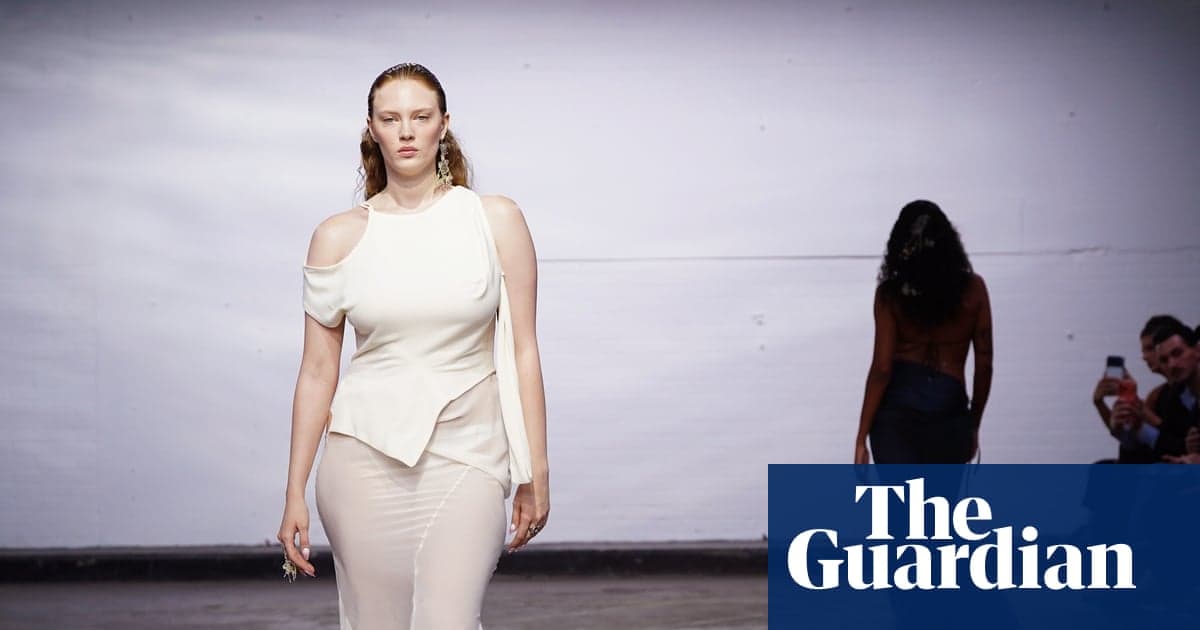
Body Diversity Returns to London Fashion Week as Wider Industry Heads Ultra-Thin
•February 22, 2026
0
Why It Matters
Inclusive runway casting aligns with rising consumer demand for size diversity, pressuring brands to expand offerings and reshape market perception.
Key Takeaways
- •London Fashion Week showcased models size 10‑18+
- •Emerging designers championed body diversity on runways
- •Industry trend still favors ultra‑thin sample sizes
- •Mid‑size category gaining visibility among major brands
- •Consumer demand pushes inclusivity despite traditional standards
Pulse Analysis
London Fashion Week has once again placed body diversity at the forefront of its runway programming, with emerging talents such as Karoline Vitto, Phoebe English and Sinead Gorey presenting collections that featured models ranging from UK size 10‑16 to curve sizes 18 and above. This visual shift counters the prevailing industry bias toward ultra‑thin sample sizes, typically a UK 4‑8, and signals a deliberate effort by new designers to broaden representation. By foregrounding mid‑size and plus‑size silhouettes, the shows challenge long‑standing aesthetic norms and offer a fresh narrative for fashion media.
Consumer sentiment has increasingly favored inclusivity, with market research indicating that shoppers are 30 % more likely to purchase from brands that showcase a broader size spectrum. Retailers responding to this data have begun expanding their size ranges, yet many high‑end houses remain tethered to the traditional sample size, limiting runway relevance. The divergence creates a tension between commercial viability and creative expression, prompting emerging designers to fill the gap with runway‑ready diversity. This dynamic not only drives sales but also reshapes brand storytelling across digital and physical channels.
Looking ahead, the persistence of ultra‑thin standards may wane as more designers adopt inclusive casting as a core aesthetic rather than a token gesture. Supply chains are already adjusting, with manufacturers scaling production for size 12‑20 garments to meet runway‑driven demand. If the momentum sustains, investors could view diversity‑focused labels as lower‑risk growth opportunities, encouraging capital inflows that further democratize fashion. Ultimately, London’s renewed emphasis on body variety could set a benchmark for global fashion weeks.
Body diversity returns to London fashion week as wider industry heads ultra-thin
0
Comments
Want to join the conversation?
Loading comments...