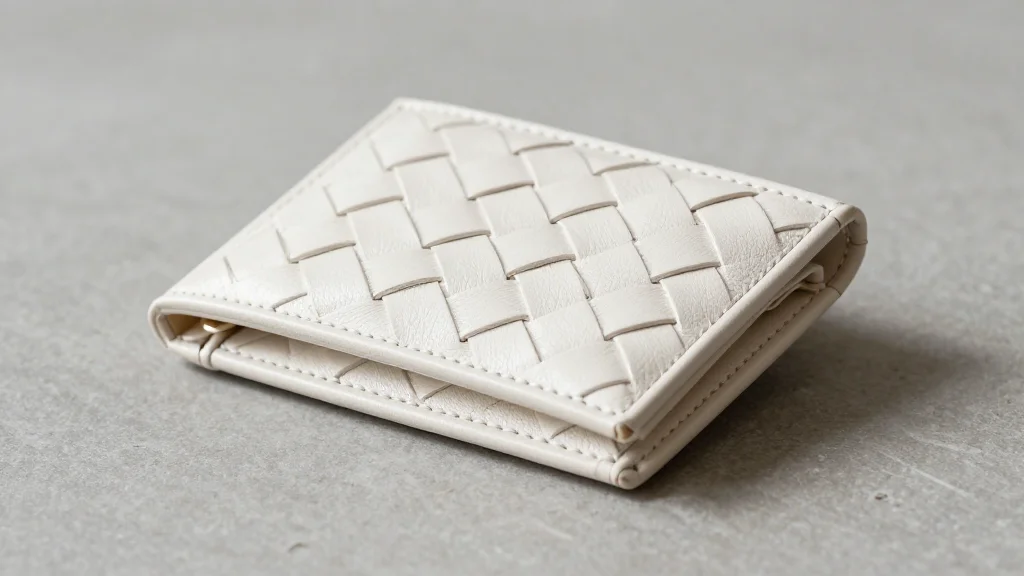
Bottega Veneta Launches Woven Mycelium Leather After 50 Years of Intrecciato Research

Companies Mentioned
Why It Matters
The introduction of woven mycelium leather by Bottega Veneta represents a tangible step toward decarbonizing one of fashion’s most resource‑intensive inputs: animal leather. By leveraging a centuries‑old weaving technique, the house demonstrates that sustainability can be integrated without abandoning craftsmanship, potentially setting a template for other heritage brands. Moreover, the move could accelerate investment in fungal bio‑fabrication, a sector still in its infancy but poised to disrupt traditional material supply chains. For consumers, the collection offers a concrete alternative that aligns luxury aesthetics with ecological values. If the product meets durability standards, it may shift buyer expectations, making bio‑leather a mainstream option in high‑end markets and prompting retailers to reconsider inventory mixes that have long been dominated by animal hide.
Key Takeaways
- •Bottega Veneta launches woven mycelium leather accessories after 50 years of intrecciato research
- •Items produced in Veneto workshops using finger‑wide mycelium strips woven like traditional leather
- •Mycelium grows in two weeks, uses far less water and emits a fraction of the carbon of animal leather
- •No press campaign; collection debuted quietly on the brand’s website
- •Potential expansion to additional product categories within 12‑18 months
Pulse Analysis
Bottega Veneta’s foray into mycelium leather is less a publicity stunt than a strategic pivot rooted in its core competency: hand‑woven construction. By applying intrecciato to a new substrate, the house sidesteps the common criticism that many sustainability initiatives are merely cosmetic swaps. The real test will be whether the material can sustain the wear‑and‑tear expectations of luxury consumers, especially in items like wallets that endure frequent handling. Early adopters will likely be eco‑conscious clientele who value the brand’s heritage as much as its environmental narrative.
From a market perspective, the launch could catalyze a shift in supplier dynamics. Traditional tanneries, many of which have deep ties to Italian fashion houses, may need to diversify into bio‑material processing or risk obsolescence. Conversely, biotech firms specializing in fungal cultivation could find a new, high‑margin customer in Bottega, accelerating R&D investment and driving down costs through economies of scale. This convergence of artisanal skill and biotech could redefine luxury material sourcing, making it more resilient to climate‑related disruptions.
Looking forward, the key variables will be cost parity and consumer perception. If Bottega can price mycelium accessories competitively with its leather counterparts while delivering comparable durability, the model could become replicable across the sector. However, any misstep—such as visible inconsistencies in texture or premature wear—could reinforce skepticism about bio‑leather’s suitability for luxury. The brand’s measured rollout suggests a willingness to iterate, and the next 12 months will reveal whether woven mycelium can transition from niche experiment to a cornerstone of sustainable luxury.
Bottega Veneta Launches Woven Mycelium Leather After 50 Years of Intrecciato Research
Comments
Want to join the conversation?
Loading comments...