Bridal Manufacturers Face Tariffs and Rising Prices Amid Strong Appetite for Wedding Gowns
Companies Mentioned
Why It Matters
The pressure on margins forces brands to balance cost pressures with consumer demand for premium, domestically produced gowns, influencing pricing strategies across the high‑end bridal sector.
Key Takeaways
- •U.S. bridal makers face 15‑20% price hikes from tariffs.
- •Sareh Nouri keeps prices stable despite rising fabric costs.
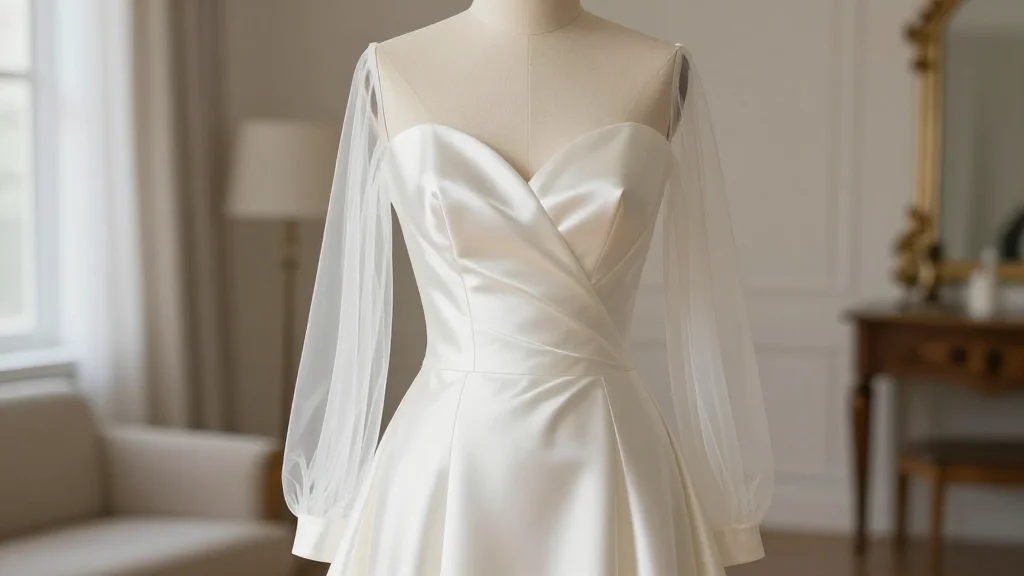
- •Basque waist and detachable sleeves dominate 2027 trends.
- •Overseas producers see tariffs reduced to ~10% after IEEPA.
- •Luxury bridal spend exceeds $100 billion, average dress $6‑10k.
Pulse Analysis
The bridal industry’s resilience amid macro‑economic headwinds underscores a broader shift toward premiumization. While tariffs on Chinese and Southeast Asian fabrics once eroded profit margins, recent IEEPA adjustments have lowered duties to roughly 10%, offering modest relief for overseas manufacturers. Yet U.S. houses like Sareh Nouri still confront higher labor costs and a shrinking pool of skilled dressmakers, prompting investments in apprenticeship programs and automation where feasible. This dynamic illustrates how trade policy directly reshapes supply‑chain strategies in a market where a single gown can command $12,000 or more.
Design trends reveal a nuanced consumer appetite for both timeless elegance and functional versatility. The resurgence of the Basque waist, high‑neck detachable boleros, and longer sleeves reflects brides’ desire for photogenic details that transition seamlessly from ceremony to reception. Convertible gowns—offering multiple looks through removable elements—are gaining traction, allowing couples to maximize value while maintaining a luxury aesthetic. Simultaneously, richer satin fabrics and heirloom‑quality lace, sourced from Italy and France, satisfy a growing demand for tactile depth and durability, reinforcing the premium price trajectory.
From a business perspective, the $100 billion wedding spend projection signals sustained buying power among affluent consumers, even as overall unit volumes fluctuate. Brands are leveraging influencer collaborations over traditional celebrity endorsements to reach niche audiences, capitalizing on authentic social proof. Retailers like Mark Ingram are diversifying inventory with convertible pieces and expanding secondary alteration teams to mitigate shipping disruptions caused by geopolitical tensions. Collectively, these strategies illustrate how high‑end bridal firms are navigating cost inflation, supply‑chain volatility, and evolving consumer preferences to preserve margins and drive growth.
Bridal Manufacturers Face Tariffs and Rising Prices Amid Strong Appetite for Wedding Gowns
Comments
Want to join the conversation?
Loading comments...