Burberry Teams with Sir Quentin Blake for Whimsical Illustrated Capsule Collection

Companies Mentioned
Why It Matters
The Burberry‑Blake capsule illustrates a broader shift in luxury fashion toward cultural collaborations that extend beyond mere product design. By embedding a celebrated British illustrator’s work into its core garments, Burberry not only refreshes its aesthetic but also reinforces its identity as a patron of the arts, a move that resonates with consumers seeking authenticity and narrative depth. The timing with the opening of the Quentin Blake Centre for Illustration amplifies the partnership’s cultural relevance, positioning the brand at the intersection of fashion, literature and community engagement. If successful, the collaboration could set a template for other heritage houses to partner with artists whose work carries both nostalgic appeal and contemporary relevance. It also highlights the growing importance of experiential retail—where in‑store events, pop‑ups and museum‑style installations become integral to product launches—potentially reshaping how luxury brands drive traffic and loyalty in an increasingly digital marketplace.
Key Takeaways
- •Burberry launches a whimsical illustrated capsule with Sir Quentin Blake across womenswear, menswear, childrenswear and accessories
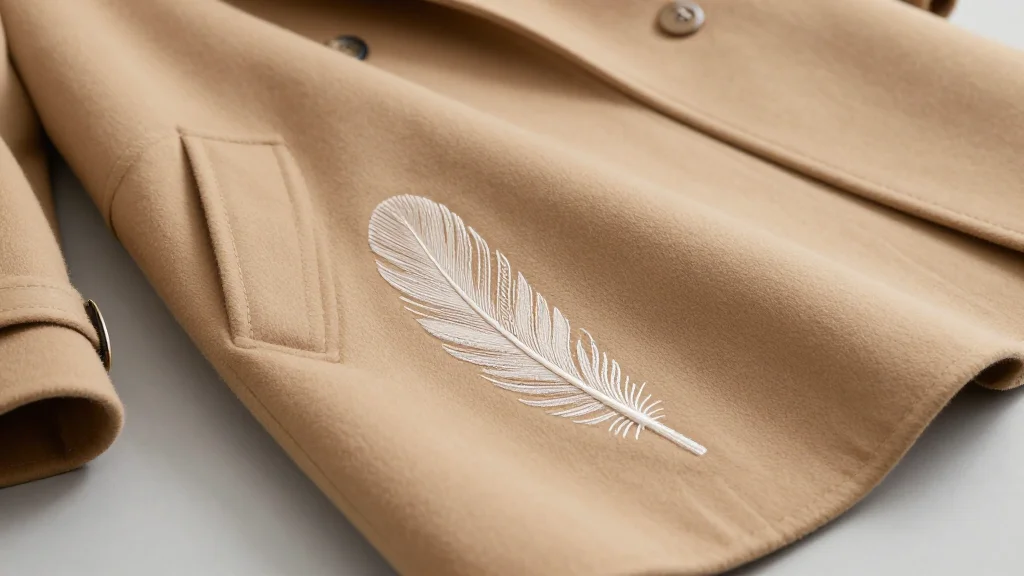
- •Trench coats feature tropical gabardine, printed silk lining and embroidered feather motifs
- •The collection coincides with the June 5, 2026 opening of the Quentin Blake Centre for Illustration in London
- •Burberry pledges support for the centre through staff training, workshops and LGBTQI+ family sessions
- •Daniel Lee, Burberry’s chief creative officer, highlighted the partnership’s aim to bring childhood magic into the brand
Pulse Analysis
Burberry’s decision to partner with Sir Quentin Blake reflects a calculated effort to blend heritage luxury with cultural storytelling, a formula that has proven effective for brands seeking differentiation in a saturated market. Historically, luxury houses have leveraged artistic collaborations—think Louis Vuitton’s ties with Jeff Koons or Dior’s work with artists like KAWS—to generate buzz and justify premium pricing. Burberry’s approach, however, leans more toward community‑focused patronage than pure spectacle, aligning the capsule with the opening of a dedicated illustration centre. This signals a shift from episodic collaborations to sustained cultural investment, potentially deepening consumer loyalty among art‑savvy shoppers.
From a market perspective, the capsule arrives as luxury retailers grapple with post‑pandemic consumption patterns, where experiential value often outweighs product utility. By offering live illustration events and pop‑up installations, Burberry creates a multi‑sensory touchpoint that can attract foot traffic and generate earned media. Yet the risk lies in the limited‑edition nature of such capsules; if demand outpaces supply, scarcity can drive hype, but if the collection fails to resonate beyond novelty, it may be dismissed as a fleeting gimmick. The brand’s broader arts patronage—spanning previous collaborations with Sarah Morris and sponsorship of the Venice Biennale—provides a narrative scaffolding that could mitigate this risk, positioning Burbery as a long‑term cultural steward rather than a one‑off collaborator.
Looking ahead, the success of the Burberry‑Blake capsule could influence how other heritage brands approach artistic partnerships, encouraging deeper integration with cultural institutions rather than isolated product drops. If the collaboration translates into measurable sales uplift and heightened brand equity, we may see a wave of similar alliances that blend product design with community‑centric programming, reshaping the luxury sector’s definition of value beyond the garment itself.
Burberry Teams with Sir Quentin Blake for Whimsical Illustrated Capsule Collection
Comments
Want to join the conversation?
Loading comments...