Why It Matters
The combined sustainability commitments and supply‑chain adjustments signal a material shift in cost structures and brand positioning, while regulatory and geopolitical factors add urgency to operational resilience. Investors and consumers alike will gauge success by how quickly these initiatives translate into measurable water savings and carbon reductions.
Key Takeaways
- •Tapestry partners on carbon removal to offset supply‑chain emissions
- •Circulose restarts Swedish plant, adds Reformation and C&A
- •Wool and cotton activewear demand rises across political spectrum
- •US customs to launch tariff‑refund system within 45 days
- •Nike’s SEC filing fuels speculation on Converse divestiture
Pulse Analysis
The fashion sector continues to grapple with its notorious water footprint, prompting major players to explore climate‑focused solutions. Tapestry, the parent of Coach, announced a carbon‑removal partnership that aims to offset emissions across its supply chain, signaling a shift from incremental efficiency gains to more ambitious net‑zero targets. Analysts note that such high‑profile commitments can accelerate funding for water‑saving technologies and place pressure on peers to disclose environmental metrics. As consumer scrutiny intensifies, water stewardship is rapidly becoming a core component of brand equity.
Recycling innovators are gaining traction as brands seek circular alternatives to virgin fibers. Swedish recycler Circulose, recently relaunched its Stockholm plant after a restructuring year, added Reformation and C&A to its long‑term commercialization program, underscoring growing demand for poly‑cotton upcycling at industrial scale. Simultaneously, the activewear market is witnessing a surge in natural‑material garments, with cotton and wool collections attracting both progressive and conservative shoppers wary of polyester’s health and environmental impacts. These trends suggest a broader pivot toward renewable feedstocks and closed‑loop manufacturing.
Beyond sustainability, external forces are reshaping fashion’s financial landscape. The U.S. Customs and Border Protection agency promises a tariff‑refund system within 45 days, easing cash‑flow concerns for small importers after the Supreme Court struck down Trump’s tariff regime. Geopolitical tensions in the Middle East have already disrupted luxury retail hubs, while Nike’s recent SEC filing hints at a $300 million restructuring that could involve divesting Converse. Even legacy department stores like Nordstrom are leveraging private‑ownership flexibility to reinvent the ‘best mousetrap’ model, proving that adaptability remains paramount.
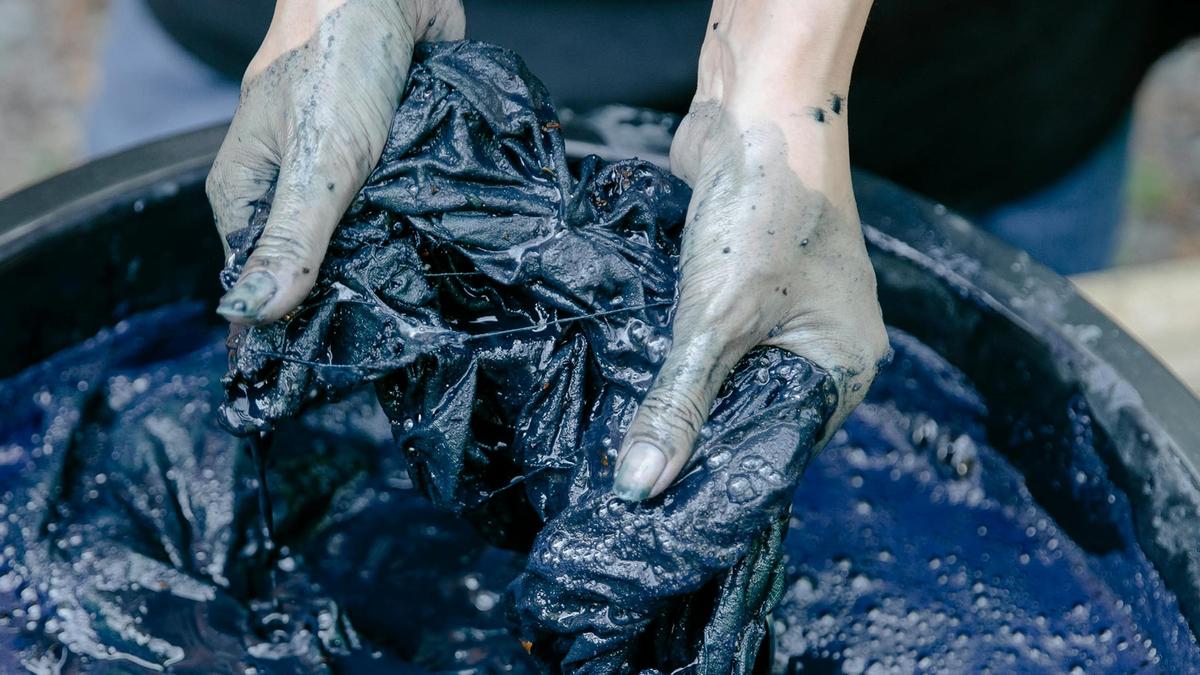
Can Fashion Stop Wasting So Much Water?
0
Comments
Want to join the conversation?
Loading comments...