Cannes 2026 Red‑Carpet Highlights: Jade Saree, McQueen Gown, and Bella Hadid’s High‑Slit Dress

Why It Matters
The Cannes Film Festival continues to function as a live laboratory where fashion houses test the limits of visibility, heritage and innovation. Simone Ashley’s successful revival of a 2005 McQueen piece demonstrates that archival couture can generate fresh excitement, encouraging other houses to dig into their vaults for red‑carpet moments. Aditi Rao Hydari’s Jade saree brings Indian luxury fashion into the global conversation, potentially opening doors for more South Asian designers to secure high‑profile placements. Bella Hadid’s daring slit dress reflects a consumer appetite for bold, statement‑driven silhouettes, prompting brands to experiment with riskier cuts and construction techniques. Collectively, these looks influence buying patterns, editorial coverage and future collaborations, shaping how designers allocate resources between heritage preservation and avant‑garde development. The ripple effect extends to retail, where consumers often seek to emulate celebrity looks, driving demand for similar fabrics, cuts, and embellishments. The heightened media attention also offers valuable data points for marketers assessing the ROI of red‑carpet exposure, informing decisions on sponsorships, influencer partnerships and runway show investments for the upcoming fashion weeks.
Key Takeaways
- •Simone Ashley revived a 2005 Alexander McQueen red gown, previously worn by Gisele Bündchen and Cate Blanchett
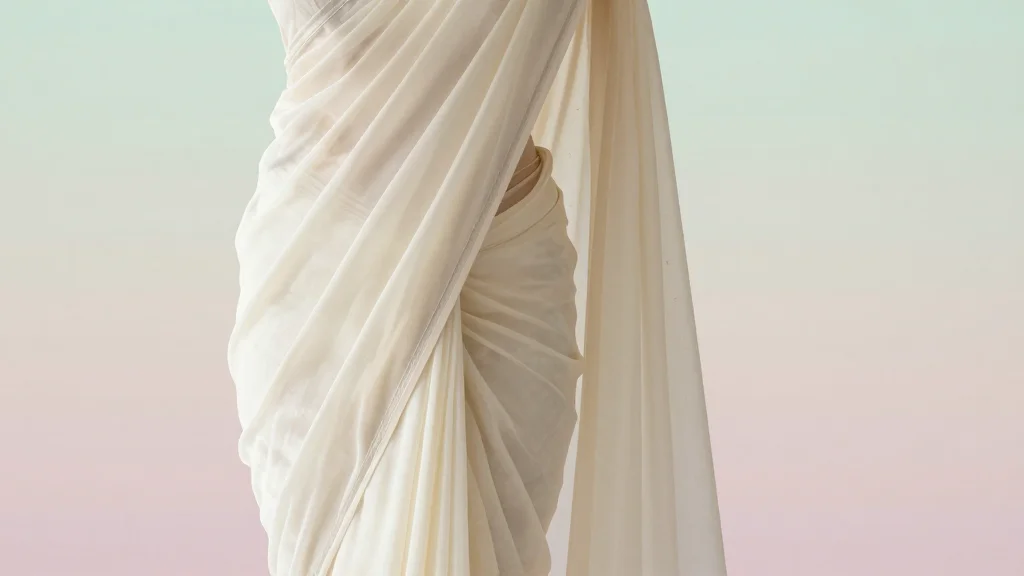
- •Aditi Rao Hydari showcased a sheer organza saree by Indian label Jade, highlighting South Asian luxury on Cannes
- •Bella Hadid’s one‑shoulder gown featured a high side slit, emphasizing daring modern silhouettes
- •The three looks illustrate Cannes’ dual role as a platform for archival couture and avant‑garde experimentation
- •Designer visibility at Cannes translates into heightened social media buzz and potential retail demand
Pulse Analysis
Cannes 2026 underscores a strategic pivot in luxury fashion: heritage is no longer a static museum piece but a dynamic storytelling tool. Brands that successfully re‑contextualize archival garments, as Alexander McQueen did through Simone Ashley, tap into nostalgia while delivering fresh relevance. This approach reduces design risk—proven silhouettes already carry cultural capital—yet requires careful styling to avoid appearing stale. The success of Ashley’s look will likely inspire other houses to curate ‘heritage moments’ for red‑carpet events, potentially leading to a surge in curated vintage loans and collaborations with museums.
Conversely, Aditi Rao Hydari’s Jade saree signals a broader diversification of the luxury narrative. Indian designers have long been under‑represented on Western red‑carpet stages; Hydari’s understated yet opulent presentation validates the market’s appetite for non‑Western luxury aesthetics. Expect increased investment from global fashion conglomerates in Indian couture houses, as well as more cross‑cultural collaborations that blend traditional craftsmanship with contemporary silhouettes.
Bella Hadid’s high‑slit dress illustrates the counterbalance: a demand for boundary‑pushing design that captures instant viral attention. While such daring cuts generate buzz, they also test the limits of brand identity and audience tolerance. Designers must calibrate shock value against brand coherence, especially as social media algorithms favor eye‑catching visuals. The Cannes trifecta suggests that the future of red‑carpet fashion will be a hybrid model—leveraging archival gravitas, cultural inclusivity, and bold experimentation—to maximize both media impact and commercial upside.
Cannes 2026 Red‑Carpet Highlights: Jade Saree, McQueen Gown, and Bella Hadid’s High‑Slit Dress
Comments
Want to join the conversation?
Loading comments...