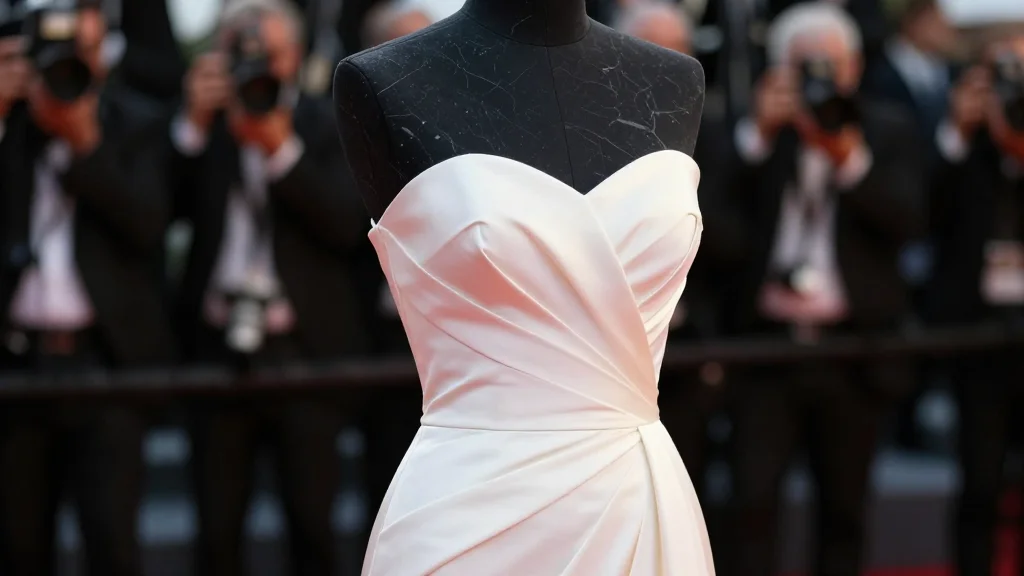
Cannes 2026 Red‑Carpet Review: Vintage Glamour, Sculpted Couture and Bold Minimalism

Companies Mentioned
Why It Matters
Cannes remains the fashion industry’s most influential runway, where a single look can dictate seasonal trends across luxury houses. Aishwarya Rai’s shift to sculpted tailoring signals a broader move away from volume‑heavy gowns toward precision cut, a trend already evident in European runway shows. Meanwhile, the minimalist wave championed by Taylor Russell and Aja Naomi King reflects consumer fatigue with over‑embellishment and a growing appetite for sustainable, timeless design. Brands that align with these emerging preferences are likely to capture both media attention and consumer spend in the post‑pandemic luxury market. The festival also highlighted the power of cross‑border collaborations, as Indian designers like Amit Aggarwal and Cheney Chan gained unprecedented global exposure. Their success at Cannes could open doors for more non‑Western talent to enter the luxury ecosystem, diversifying the aesthetic vocabulary of high fashion and reshaping supply chains that have traditionally been Euro‑centric.
Key Takeaways
- •Aishwarya Rai returned to Cannes for the 24th year, debuting a sculpted sapphire gown by Amit Aggarwal requiring 1,500 hours of handwork.
- •Taylor Russell set the opening tone in a reversed‑silk Dior skirt, blending bridal cues with modern minimalism.
- •The festival showcased a clash between maximalist extravagance and minimalist architecture, with designers like Aja Naomi King leading the quiet‑power movement.
- •Accessories became focal points, exemplified by Tyrese Gibson’s floral brooch necktie swap and Jeremy Pope’s oversized white bowtie.
- •Cannes continues to serve as a launchpad for non‑Western designers, expanding the global luxury narrative.
Pulse Analysis
Cannes 2026 functioned as a micro‑cosm of the luxury fashion industry's current inflection point. The festival’s red carpet demonstrated that heritage storytelling—through vintage silhouettes and archival references—remains a potent tool for brands seeking emotional resonance. Yet, the simultaneous rise of sculpted tailoring indicates a strategic pivot toward craftsmanship and fit, attributes that appeal to a consumer base increasingly wary of wasteful excess. This duality is not contradictory; rather, it reflects a market that values both narrative depth and functional elegance.
The prominence of Indian designers, facilitated by Aishwarya Rai’s high‑visibility partnership with Mohit Rai, underscores a democratization of fashion influence. Historically, Cannes has been dominated by European houses, but the 2026 edition suggests that the festival is evolving into a truly global stage. Brands that can translate regional craftsmanship into universally appealing aesthetics stand to gain a competitive edge, especially as luxury shoppers gravitate toward stories that celebrate cultural specificity.
Looking ahead, the tension between maximalist drama and minimalist restraint will likely intensify. As sustainability pressures mount, designers may lean further into architectural minimalism, while still delivering moments of spectacle through accessories and strategic fabric innovation. Cannes 2026 has set the template: a runway that rewards both reverence for the past and bold, forward‑thinking design. The next season’s collections will be judged on how well they navigate this balance, and the brands that master it will define the luxury narrative for years to come.
Cannes 2026 Red‑Carpet Review: Vintage Glamour, Sculpted Couture and Bold Minimalism
Comments
Want to join the conversation?
Loading comments...