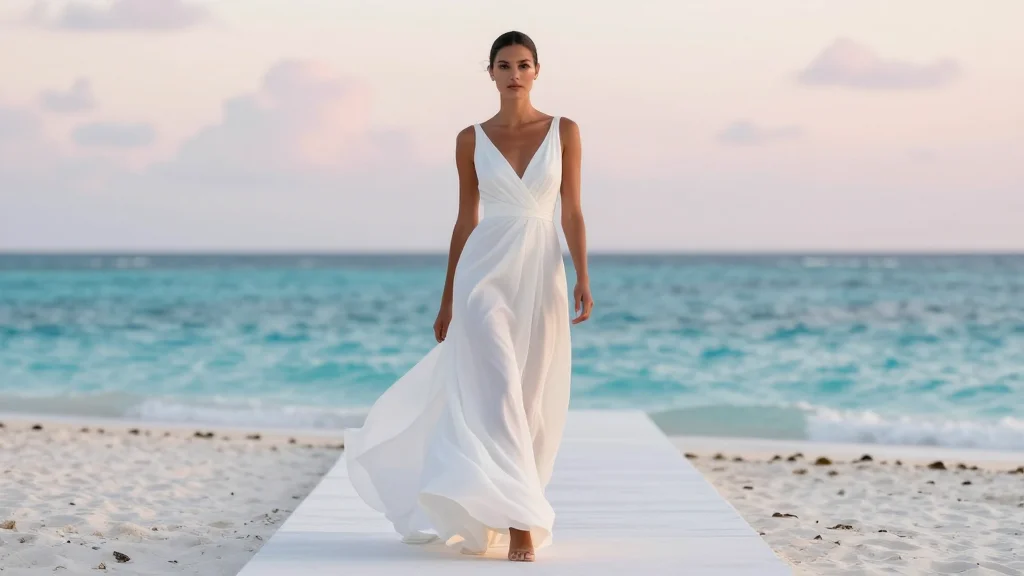
Casa De Campo Fashion Week Launches June 4‑8 as Caribbean’s First Major Fashion Event

Why It Matters
Casa de Campo Fashion Week signals a strategic shift for the Caribbean, where tourism has long dominated economic narratives. By integrating fashion—a sector traditionally anchored in metropolitan hubs—the region can diversify its appeal, attract higher‑spending visitors and foster a creative economy that supports local designers, artisans and related supply chains. The event also offers a platform for Caribbean cultural expression, potentially reshaping global perceptions of the region beyond its beach‑resort image. If the inaugural week proves successful, it could catalyze a network of fashion weeks across the Caribbean, encouraging investment in design schools, manufacturing capabilities and sustainable sourcing. This would not only create jobs but also position the Caribbean as a source of distinctive, climate‑inspired aesthetics that could influence global trends.
Key Takeaways
- •Casa de Campo Fashion Week runs June 4‑8, the Caribbean’s first major fashion week.
- •Hosted at Casa de Campo resort, a historic luxury venue frequented by global celebrities.
- •Lineup includes Dominican stars Giannina Azar, Jenny Polanco (creative director Carolina Socías), and legendary couturier Rafael Rivero.
- •U.S. designers Luis Antonio, Fausto Altamirano and Berny Martin, plus Spain’s The 2nd Skin Co. and Custo Barcelona, join the roster.
- •Event aligns with record tourism growth and a low‑price summer window in the Dominican Republic.
Pulse Analysis
The launch of Casa de Campo Fashion Week reflects a broader trend of regional hubs leveraging lifestyle tourism to create niche cultural events. Historically, fashion weeks have been concentrated in a handful of global capitals, but the Caribbean’s entry suggests a decentralization driven by the desire to tap into affluent traveler demographics. By embedding runway shows within a resort experience, organizers are blurring the line between commerce and leisure, a model that could become a template for other emerging markets.
From a competitive standpoint, the Dominican Republic is positioning itself as a luxury destination that offers more than sun and sand. The inclusion of high‑profile designers and a curated exhibition by Jesús Cordero adds cultural cachet, differentiating the event from typical resort promotions. However, the success of this model hinges on its ability to attract genuine fashion‑industry stakeholders—buyers, editors and influencers—who can translate runway buzz into orders and media coverage. If the week remains an exclusive showcase for tourists, its impact on the local design ecosystem may be limited.
Looking ahead, the key metric will be whether the inaugural edition can secure repeat participation from international buyers and generate measurable sales for Dominican designers. A sustainable fashion week would likely require deeper integration with supply‑chain development, such as local textile production and sustainability certifications, to move beyond a showcase into a commercial engine. The next few months will reveal whether the Caribbean can transition from a one‑off spectacle to a recurring fashion calendar fixture, potentially reshaping the region’s economic narrative.
Casa de Campo Fashion Week Launches June 4‑8 as Caribbean’s First Major Fashion Event
Comments
Want to join the conversation?
Loading comments...