Chanel Installs Matthieu Blazy, Puts Wearable Luxury at Helm of $34 B House

Companies Mentioned
Why It Matters
Matthieu Blazy’s appointment and his debut collection signal a strategic pivot for Chanel toward wearable luxury, a response to shifting consumer expectations for authenticity and practicality in high‑end fashion. By foregrounding women’s comfort, diverse casting, and historical continuity, Chanel aims to retain its heritage cachet while appealing to younger, experience‑driven buyers. The move also underscores a broader industry reckoning: legacy houses must balance iconic codes with relevance, or risk alienating a market that increasingly values inclusivity and functionality. If Blazy’s approach proves commercially successful, it could inspire other luxury houses to re‑evaluate their creative hierarchies, placing wearability and narrative depth above pure spectacle. This could accelerate a sector‑wide shift toward collections that function as both aspirational statements and everyday wardrobes, reshaping the definition of luxury in the post‑pandemic era.
Key Takeaways
- •Matthieu Blazy appointed artistic director of Chanel in April 2025
- •First cruise collection unveiled in Biarritz on April 28, 2026
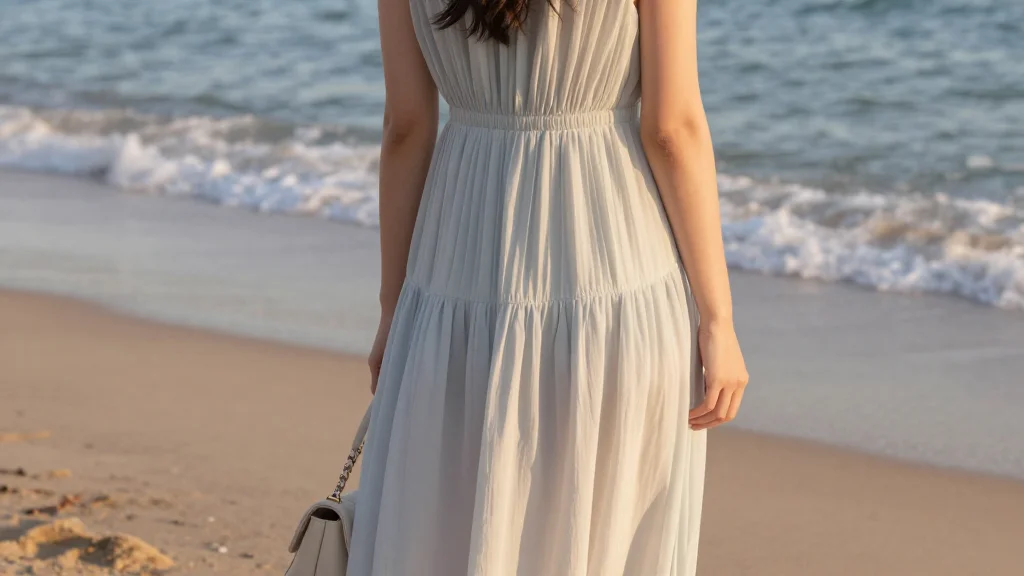
- •Show emphasized inclusive casting and wearable luxury for the $34 billion brand
- •Blazy quoted: “In the end, you have to create clothes that people want to wear.”
- •Industry sees shift from spectacle to practicality in luxury fashion
Pulse Analysis
Chanel’s decision to install Matthieu Blazy at the creative helm reflects a calculated response to the erosion of traditional luxury consumption patterns. Over the past decade, high‑end brands have grappled with a paradox: the need to preserve iconic DNA while delivering products that resonate with a consumer base that values sustainability, functionality, and personal relevance. Blazy’s Biarritz cruise collection operationalizes this paradox by marrying Chanel’s historic fabric palette with a modern, inclusive silhouette language. The result is a collection that feels both unmistakably Chanel and unmistakably of its time.
Historically, Chanel’s creative direction has been defined by strong personalities—Coco’s revolutionary simplicity, Lagerfeld’s theatrical narratives, Viard’s quiet refinement. Blazy’s self‑described “exquisite corpse” methodology suggests a collaborative, almost anthropological approach to heritage, positioning him less as a singular auteur and more as a curator of collective memory. This could democratize the brand’s creative process, allowing for a more fluid integration of emerging cultural cues without sacrificing the house’s core identity. If successful, this model may become a template for other legacy houses seeking to stay relevant without alienating their loyal clientele.
Looking ahead, the true test will be commercial. The cruise collection’s six‑month boutique window provides a near‑real‑time barometer of consumer appetite for Blazy’s vision. Strong sell‑through would validate the wearability thesis and likely accelerate similar strategic shifts across the luxury sector. Conversely, tepid response could reinforce the market’s lingering appetite for high‑concept spectacle. Either outcome will shape the next chapter of luxury fashion, making Blazy’s tenure a pivotal case study for the industry.
Chanel Installs Matthieu Blazy, Puts Wearable Luxury at Helm of $34 B House
Comments
Want to join the conversation?
Loading comments...